The Evolving Landscape of Veterinary Medicine: Building More Comprehensive Care for Companion Animals
A Broader Approach to Companion Animal Healthcare
The needs of companion animals vary according to species, age, size, condition and overall health. Veterinary care therefore involves multiple disciplines, from routine examinations and vaccination to dentistry, soft-tissue procedures, emergency treatment and orthopedic surgery. Each stage requires professional assessment and an approach suited to the individual animal.
For veterinary hospitals and clinics, a comprehensive approach also involves coordinating clinical teams, equipment, medical supplies and follow-up care. Product selection should be guided by the intended application, professional judgment, applicable instructions and local regulatory requirements.
The Importance of Preventive Care and Early Assessment
Preventive healthcare plays an important role in supporting animal wellbeing. Regular examinations, appropriate vaccination programs, parasite control, dental care and nutritional guidance can help veterinary professionals identify health concerns and advise owners on ongoing care. When an animal shows signs of injury or illness, timely veterinary assessment is important for determining the next steps in diagnosis and treatment.
Diagnostic tools and clinical examinations help veterinarians evaluate a condition before selecting a treatment plan. The specific tests and procedures required depend on the animal’s presentation and the judgment of the treating veterinary professional.
Veterinary Surgery: Planning, Instruments and Clinical Workflow
Surgical treatment may be considered for a range of conditions, including selected injuries and musculoskeletal disorders. Preparation involves reviewing the case, choosing an appropriate technique, preparing the operating environment and confirming that required instruments and medical products are available.
Surgical instruments should be selected for their intended use and maintained according to the manufacturer’s instructions and the clinic’s validated procedures. Clear identification of components, organized instrument sets and access to product documentation can help teams prepare for procedures and manage inventory.
Veterinary Orthopedics and Fracture Management
Veterinary orthopedics addresses conditions affecting bones, joints and related structures. Depending on the diagnosis, treatment may involve conservative management, surgical intervention or a combination of approaches. Fracture management is case-dependent: the animal’s size, anatomy, fracture configuration, bone quality and other clinical factors influence the treatment plan.
Internal fixation systems are among the options used by veterinary surgeons in selected orthopedic procedures. Plates and screws are designed in different configurations and dimensions to meet varying technical requirements. The choice of implant must be made by qualified veterinary professionals based on the individual case and the system’s instructions for use.
Implant Systems: Compatibility and Product Information
When evaluating an orthopedic implant system, it is important to consider the relationship between plates, screws and their corresponding instruments. Screw diameter and length, thread design, drive interface, plate configuration and compatible tools should be checked together. Product codes and specifications can help professional users confirm that selected components belong to the intended system.
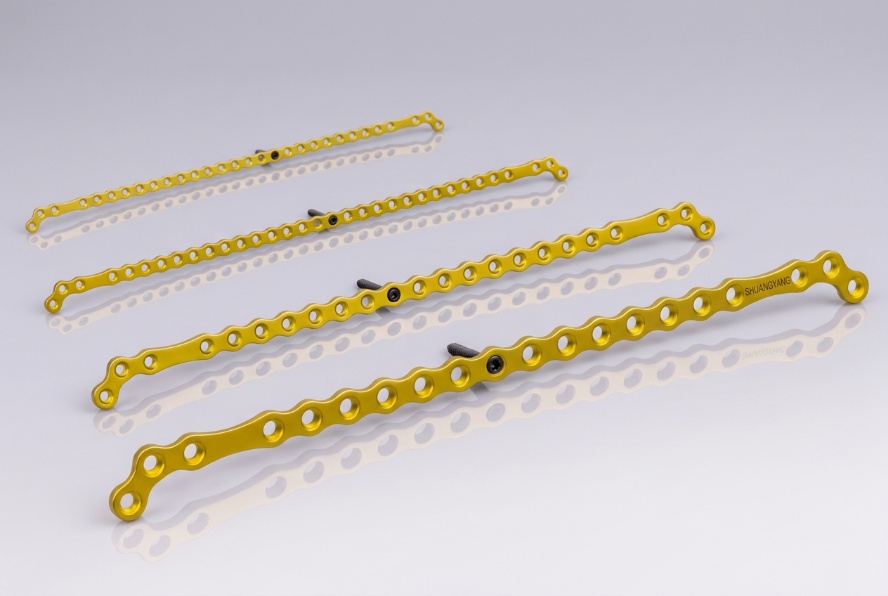
A product range may include different plate designs, such as reconstruction plates, mini plates, T-shaped plates, L-shaped plates and cuttable plates, together with compatible locking or cortical screws. The availability and exact specifications of each option should be verified against the current product catalogue and technical documentation. Browse current options under Orthopedic Implants or the product catalog.
Medical Consumables: An Essential Part of Daily Veterinary Practice
Veterinary care relies on more than implants and reusable instruments. Medical consumables are used across routine clinical work, wound management, procedure preparation and other areas of patient care. Their specific types and requirements differ by procedure, clinic protocol and local market.
For purchasing teams, evaluating consumables involves checking intended use, material information, packaging, storage conditions, shelf-life information where applicable and relevant regulatory status. Clear product descriptions help clinics and distributors understand whether an item is appropriate for its intended professional use.
Infection Prevention, Reprocessing and Product Handling
Infection prevention is a shared responsibility across veterinary facilities. Clinics establish procedures for cleaning, disinfection, sterilization where applicable, storage and handling of medical devices and instruments. Reusable products and single-use products have different handling requirements; users should follow the specific labeling and instructions supplied with each product.
Manufacturers and suppliers can support professional users by providing clear instructions, product identification and relevant technical information. Veterinary facilities remain responsible for implementing procedures appropriate to their equipment, products and applicable standards.
Recovery and Follow-up Care
Treatment does not end when a procedure is completed. Follow-up assessment and recovery management are important parts of veterinary care. Depending on the condition and procedure, the veterinary team may provide guidance on activity restriction, wound observation, medication, rehabilitation and scheduled re-examinations. The recovery plan should be individualized by the treating veterinarian.
Clear communication with animal owners can help them understand home-care instructions and recognize when further veterinary attention may be needed. Consistent follow-up also allows the clinical team to assess progress and adjust the care plan when appropriate.
What Veterinary Buyers Should Consider When Choosing a Supplier
Veterinary hospitals, clinics and distributors often evaluate suppliers across several areas: product range, specification clarity, component compatibility, packaging and labeling, technical documentation, supply arrangements and communication. Requirements vary by country and product category, so buyers should confirm applicable registrations, certifications and import requirements rather than assume that one set of documents applies to every market.
Before placing an order, buyers can prepare a clear list of intended applications, required sizes, preferred configurations and target quantities. They should also request current product information and confirm the availability of matching components. This can make product evaluation more efficient and reduce misunderstandings during procurement.
Developing Veterinary Medical Solutions Through Collaboration
The veterinary medical sector includes manufacturers, veterinary professionals, distributors and animal healthcare organizations. Communication among these groups helps suppliers better understand professional requirements and helps buyers obtain accurate information about product options. Long-term cooperation is built through transparent product communication, responsible service and attention to the needs of veterinary customers.
Jiangsu Shuangyang Pet Medical: Supporting Veterinary Professionals
Jiangsu Shuangyang Pet Medical focuses on veterinary medical products for professional users. Its business scope includes veterinary orthopedic implant solutions, such as plate and screw systems, as well as veterinary medical consumables. The company aims to serve veterinary hospitals, clinics and distribution partners by providing product information and supporting communication on product selection and component matching.
As the veterinary product portfolio continues to develop, the company welcomes enquiries from professional customers seeking information about product categories, specifications and cooperation opportunities.
Looking Ahead
Comprehensive veterinary care depends on many connected elements: professional diagnosis, appropriate treatment planning, suitable medical products, well-prepared clinical teams and ongoing follow-up. As animal healthcare needs continue to evolve, cooperation between veterinary professionals and medical suppliers will remain important in supporting the delivery of responsible, informed care.
About Jiangsu Shuangyang Pet Medical
Jiangsu Shuangyang Pet Medical is dedicated to the veterinary medical field, with a focus on orthopedic implant systems and veterinary medical consumables for professional markets.
Contact
Email: info@jsshuangyang.com
WhatsApp: +86 182 6187 0933
Looking for product information or a quote?
Share the product categories, sizes and quantities you are evaluating — we reply within one business day with specifications and matching-component notes.
Request a Quote