 EN
EN
 FR
FR
 ES
ES
 AR
AR

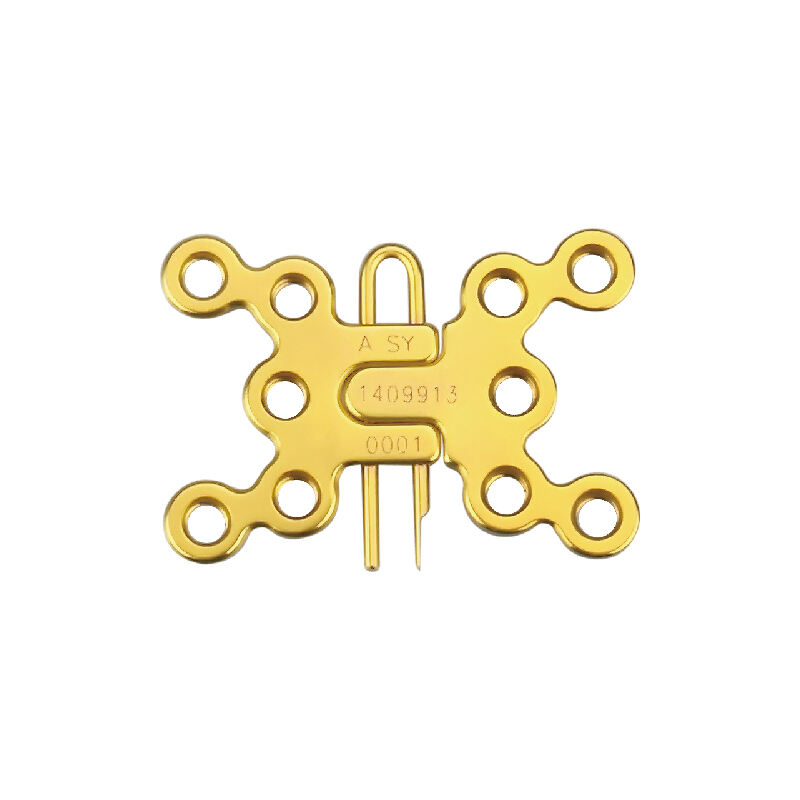
Complaint Handling for Sternum Implant Malfunctions: Regulatory Compliance and Workflow
FDA MDR Requirements for Sternum Implants: Reporting Timelines and Documentation Standards
When it comes to sternum implant issues, medical device makers have no choice but to follow the FDA's Medical Device Reporting rules. If someone dies because of a problem, companies need to report it right away within five days flat. For serious injuries, they get thirty days to file their reports. The paperwork has to cover everything from device details like UDI numbers, batch codes, and model specs all the way through patient info, what actually happened during the incident, how things turned out medically, and whether the device itself played a role in causing problems. These reporting requirements help track devices after they hit the market and spot trends that can lead to better designs down the road for those sternal fixation products. Failure to meet these standards can cost manufacturers up to a million dollars per violation according to the FDA guidance document from 2023. Companies also need to keep records for two full years after stopping production of a particular device, and make sure these documents are readily available whenever FDA inspectors come knocking.
End-to-End Complaint Investigation Workflow: Intake, Triage, Root-Cause Analysis, and CAPA Initiation
When looking at complaints related to medical devices, the process starts with gathering all necessary information about what went wrong. This includes details on when the problem occurred, the clinical situation surrounding it, and specific device identification numbers. Medical professionals then assess each case based on risk levels. If there's anything serious like an implant placed incorrectly, structural issues with the device itself, or signs of infection, those get moved up the priority list and handled within a day at most. To figure out why problems happen, investigators use various analytical tools such as cause-and-effect diagrams or asking "why" multiple times until they reach the root issue. They might look into things like materials breaking down over time, variations in how surgeons operate, limitations in product design, or unique characteristics of individual patients. These findings lead to actual changes in practice. Sometimes companies modify their products, other times they update training programs for doctors, or improve warning labels on packaging. Every step along the way gets recorded properly inside quality management systems that follow international standards like ISO 13485:2016. This creates a paper trail that tracks everything from initial reports right through to implementing fixes and closing out cases.
Clinical Recognition and Triage of Sternum Implant Failure Signs
Key Clinical Red Flags: Sternal instability, abnormal movement, pain, or audible clicking
Spotting problems early depends on knowing what signs to look for, both obvious ones we can measure and those more personal experiences patients report. When someone's sternum shows instability, like when there's visible separation while they cough or noticeable shifting during examination, this usually means the fixation isn't working right anymore. According to research published in the Journal of Orthopaedic Translation back in 2022 by the Orthopaedic Research Society, around three out of four confirmed malfunction cases involve persistent pain that gets worse with movement and doesn't respond to regular pain medications. Another red flag? Clicking sounds or grinding noises when rotating the torso often point to parts moving out of place or wearing down at their interfaces. All these observations need to get logged into our complaint tracking system pretty quickly so proper investigations can start. Doctors shouldn't just note the symptoms themselves but also how they affect daily life activities, such as difficulty lifting objects or trouble finding a comfortable sleeping position, which helps determine just how serious the situation really is.
Urgent Escalation Triggers: Implant malposition, structural failure, or capsular complications
Some complications require quick action to avoid serious consequences down the road. When implants appear out of place by more than 5 millimeters on imaging studies, there's a higher chance of damage to heart tissue or lungs. Structural problems like broken plates or loose screws usually show up clearly on CT scans and typically come with sudden instability or noticeable changes in chest wall appearance. Signs of infection around the capsule include temperatures above 38 degrees Celsius, CRP levels over 100 mg per liter, redness at the site, or pus coming from the wound area. Research published last year in the Journal of Cardiothoracic Surgery shows patients who don't get antibiotics within two days after these symptoms start have twice the death rate. For clinicians deciding when to escalate care, here are some key indicators to watch for:
| Complication Type | Clinical Indicators | Intervention Timeline |
|---|---|---|
| Malposition | Asymmetrical chest contour, dyspnea, radiographic displacement ≥5 mm | ≤24 hours |
| Structural failure | Sudden instability, visible deformity, CT-confirmed fracture/loosening | Immediate surgical consult |
| Capsular issues | Fever 38°C, CRP 100 mg/L, wound erythema or discharge | Antibiotics initiated within 6 hours |
These triggers activate emergency CAPA and feed directly into post-market surveillance databases. Delayed response increases mediastinitis risk by 4.7-fold—underscoring strict adherence to patient safety incident response frameworks.
Patient-Centered Communication and Safety Response
Empowering Patients: Education on Warning Signs and Timely Reporting
Good complaint management actually starts long before any device problems happen. Doctors need to teach their patients what red flags look like after surgery. Things like chest instability, strange movements under the skin, ongoing discomfort, or clicking noises that keep happening. Use diagrams and simple explanations when sending patients home and at checkups later on. Make sure they understand these aren't normal things to expect after surgery and that they should call right away if they notice them. Give patients multiple ways to get help quickly - round the clock phone lines work well, online systems where they can message securely, or just having someone from the care team available by phone. Research indicates patients who know what to look for tend to reach out about issues roughly 40 percent quicker according to studies from AHRQ back in 2022. When patients and clinicians work together this way, hospitals respond faster to problems and stay within all the necessary regulations while keeping everyone safer.
Coordinating Clinical Follow-Up and Device Retrieval (When Applicable)
Upon suspicion of malfunction, urgent clinical reassessment must occur within 48 hours. Coordinate across surgery, radiology, and complaint management teams to assess implant integrity via high-resolution CT and targeted physical examination. If explantation is indicated:
- Document retrieval conditions—including intraoperative observations, packaging method, and chain-of-custody per FDA requirements (21 CFR Part 803);
- Package retrieved components in sterile, labeled containers with full device identifiers and clinical context;
- Integrate rehabilitation planning into the explantation workflow to minimize functional disruption.
This integrated approach preserves critical failure evidence for root-cause analysis while prioritizing tissue preservation and patient well-being. Transparent, ongoing communication with patients—explaining next steps, rationale, and timelines—builds trust and mitigates anxiety.
Documentation, Traceability, and Post-Market Surveillance Integration
Good documentation and being able to track things back is really important for handling complaints properly and staying compliant. All those steps need to be recorded somewhere safe where auditors can look at them anytime. We're talking about everything from when someone first reports an issue, through their medical evaluation, figuring out what went wrong, and then putting corrective actions in place. Important info to keep includes device identifiers, batch numbers, details about surgeries performed, images taken during procedures, and what the investigators actually concluded. Having this complete trail makes it possible to decide quickly whether an entire batch needs to be pulled off shelves, and also helps connect specific complaints to bigger quality issues across products. The systems that monitor products after they hit the market combine all these records with actual performance data in the field. This lets companies spot problems before they become big trouble. For instance, if several surgeons start reporting similar issues with chest wall stability around the same time, that's a red flag. Spotting these warning signs early means companies can take action like testing materials again, updating designs, or providing extra training to doctors. Making sure complaints lead to real improvements shows regulators we care about following rules, but more importantly, it proves our dedication to keeping patients safe.
FAQ
- What is the FDA MDR for sternum implants? The FDA Medical Device Reporting (MDR) mandates the timelines and documentation required for reporting issues with sternum implants, aiming to track device performance and improve designs.
- How soon should serious implant issues be reported? Deaths related to implant issues must be reported within 5 days, while serious injuries have a 30-day reporting window.
- What are common signs of sternum implant failure? Key indicators include sternal instability, abnormal movement, persistent pain, and audible clicking.
- How are complaints about sternum implants handled? The investigation workflow involves intake, triage, root-cause analysis, and corrective action/preventive action (CAPA) initiation.