 EN
EN
 FR
FR
 ES
ES
 AR
AR

Why Returns and Loaner Sets Foot Ankle Instruments Demand Specialized Management
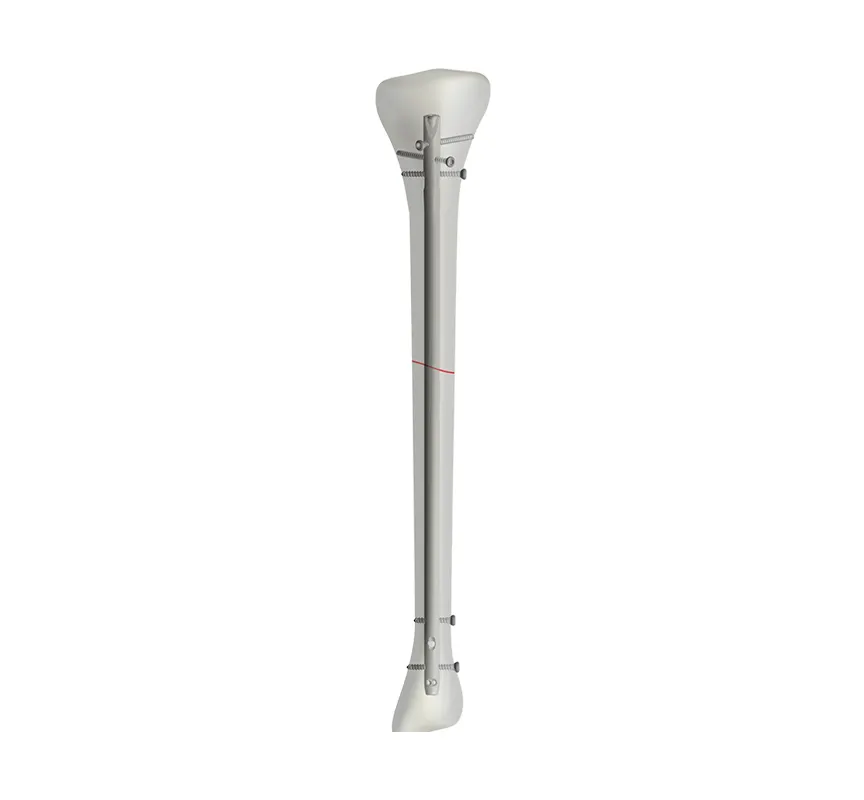
Foot and ankle orthopedic surgeries need an incredible number of instruments - sometimes over 50 different tools for each operation - which creates all sorts of logistical headaches that just aren't seen in regular surgery settings. These aren't your typical trays either. The instruments themselves have complicated shapes (think bone rasps, those curved cutting tools called osteotomes) that make them really tough to clean properly and raise the risk of getting contaminated. According to research from last year, when hospitals borrow these specialty toolkits for foot work, they take about 23% longer to get back compared to normal sets because there's so much extra checking needed after cleaning. And this isn't just paperwork either. When these borrowed kits come back late, it actually messes up schedules at busy orthopedic centers, causing around 1 out of every 6 cases to get postponed. Then there's the whole issue of who owns what when these instruments move between hospitals, suppliers, and cleaning facilities. Hospitals absolutely need special systems in place to keep track of everything. Things like RFID tags on trays and following strict cleaning standards from AAMI ST79 aren't optional anymore if hospitals want to avoid major problems down the road.
- Revenue loss from delayed/canceled surgeries ($740k annually per 500-bed facility)
- Compliance violations from inadequate sterilization documentation
- Instrument loss/damage due to poor visibility across locations
The convergence of high-volume usage, complex reprocessing, and multi-stakeholder logistics makes generic surgical instrument loaner program management approaches insufficient for this specialty.
Optimizing Returns Compliance for Foot and Ankle Loaner Instrument Sets
Timely management of returns and loaner sets foot ankle instruments directly impacts surgical efficiency. High-volume ORs face 20–30% longer turnover times when loaner trays are delayed (AORN 2023). Standardized return protocols prevent costly disruptions.
Sterile Processing Returns Compliance in High-Volume OR Environments
Central sterile departments struggle with loaner set volume surges. Facilities processing 500+ monthly trays report 15% longer reprocessing cycles without dedicated workflows. Key compliance factors include:
- Real-time communication between OR and SPD
- Pre-approved return packaging standards
- Digital checklists documenting instrument condition
AORN guidelines emphasize that validated decontamination workflows reduce reprocessing errors by 40% in high-volume facilities.
Common Return Delays and Their Impact on Surgical Scheduling
Critical bottlenecks in loaner returns include:
| Delay Cause | Consequence | Frequency |
|---|---|---|
| Missing documentation | Case postponements (avg. 2.1 hrs) | 34% |
| Incomplete instrument sets | Surgeon wait times (+45 min) | 28% |
| Transport coordination failures | OR overtime costs (+$380/hr) | 22% |
These delays cascade: A single overdue loaner tray can displace 3–5 scheduled cases. Facilities implementing barcode tracking reduce return processing time by 31% (AAMI 2023).
End-to-End Accountability: Tracking, Consignment, and Inventory Control for Loaner Sets
Effective management of returns and loaner sets foot ankle instruments demands rigorous oversight from arrival to reprocessing. Surgical delays cost hospitals $740k annually due to misplaced instruments (Ponemon 2023). Implementing end-to-end tracking mitigates these risks while ensuring compliance with FDA and AAMI ST79 standards.
Hospital Consignment Logistics: Ownership, Liability, and Chain-of-Custody Protocols
Under consignment agreements, ownership of instruments remains with vendors until usage. Hospitals must document:
- Liability transfers during transport and sterilization
- Real-time custody logs for audit trails
-
Damage protocols to resolve disputes
A single missing tray can delay 20% of scheduled cases. Clear contracts prevent revenue loss by defining responsibility for loss or sterilization failures.
RFID vs. Barcode Tracking for Foot and Ankle Instrument Trays: Accuracy, Scalability, and ROI
| Metric | Barcode | RFID |
|---|---|---|
| Accuracy | 85–90% (manual scan required) | 99% (automated bulk reads) |
| ROI Timeline | 6 months (low upfront cost) | 18 months (higher initial setup) |
Reprocessing and Sterility Assurance for Returns and Loaner Sets Foot Ankle Instruments
Validation Requirements per FDA and AAMI ST79 for Reusable Orthopedic Instruments
Orthopedic tools meant for reuse, particularly in foot and ankle procedures, need thorough cleaning validation to cut down on surgical site infections. According to FDA guidelines, makers must back up their cleaning and sterilization instructions with proof that every wash cycle hits the required sterility level of 10^-6. This has to happen even when dealing with tough situations where blood or other bodily fluids have dried inside complicated joint areas. Getting this right is critical because leftover contaminants can lead to serious post-op complications for patients.
The AAMI ST79:2017 standard (plus any updates) serves as the gold standard for sterile processing departments, setting requirements for things like validating steam sterilization cycles, proper instrument breakdown, and ensuring water meets certain quality specs. To stay compliant, facilities need to do biological monitoring every three months and qualify their equipment once per year. When it comes to those loaner instruments from outside vendors, SPD staff should check if the validation data provided actually matches what they can handle back at their own facility. This verification process is super important but gets overlooked all too often when there's pressure to get cases turned around quickly.
When hospitals skip proper validation of their reprocessing procedures, they open themselves up to legal trouble and put patients at real risk. A recent safety report from last year found that around one out of five surgical site infections were actually caused by improperly cleaned instruments. The problem gets even trickier with those orthopedic loaner sets we all deal with regularly. These devices have tiny channels inside them, lots of threads where debris can hide, plus those delicate measuring tools that are so hard to clean thoroughly. What this means is that anyone handling these instruments needs to be absolutely sure that both the cleaning process works properly and that whatever sterilization method used can reach every part of the device within the time frames that doctors actually want to operate.
FAQs
Why do foot and ankle instruments require specialized management?
Foot and ankle instruments are complex in shape and require rigorous cleaning to prevent contamination. This leads to increased management needs compared to standard surgical instruments.
What are the consequences of delayed instrument returns?
Delayed instrument returns can result in postponed surgeries, revenue loss, compliance violations, and increased operational costs.
How can hospitals ensure compliance with sterile processing?
Hospitals can maintain compliance by implementing real-time communication, pre-approved packaging standards, and using digital checklists for documentation.
What are the advantages of RFID over barcode tracking?
RFID offers higher accuracy and automated bulk reads, making it more suitable for high-volume departments, although it has a longer ROI timeline due to higher setup costs.
Table of Contents
- Why Returns and Loaner Sets Foot Ankle Instruments Demand Specialized Management
- Optimizing Returns Compliance for Foot and Ankle Loaner Instrument Sets
- End-to-End Accountability: Tracking, Consignment, and Inventory Control for Loaner Sets
- Reprocessing and Sterility Assurance for Returns and Loaner Sets Foot Ankle Instruments
- FAQs