 EN
EN
 FR
FR
 ES
ES
 AR
AR

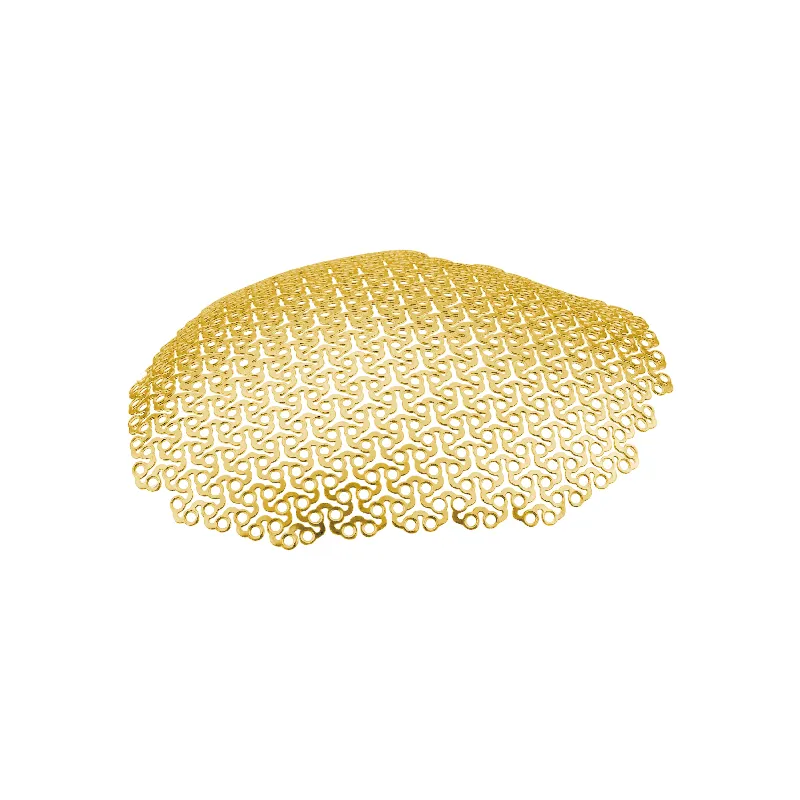
Regulatory Foundations of Titanium Mesh Labeling and Price Transparency
NMPA Medical Device Regulations: Labeling Mandates for Surgical Implants
China's National Medical Products Administration (NMPA) classifies titanium mesh as a Class III medical device, subjecting it to stringent labeling requirements under the Medical Device Supervision and Administration Regulation. Surgical implant labeling must include:
- Unique device identification (UDI) for traceability
- Manufacturer details and production batch numbers
- Material composition and sterilization status
- Clear usage instructions and contraindications
These mandates align with GB 9706.1—2020 safety standards and YY/T 0466.1—2016 symbol requirements. Non-compliance triggers severe penalties—including product recalls and market access revocation—ensuring healthcare providers and patients receive critical safety information before implantation.
The 2023 Medical Consumables Price Disclosure Policy and Its Direct Impact on Titanium Mesh
China’s 2023 Medical Consumables Price Disclosure Policy established binding transparency requirements for titanium mesh pricing across the supply chain. Suppliers must publicly disclose three core price points:
- Procurement price, reflecting actual negotiated costs paid by hospitals
- Patient-facing price, inclusive of facility fees, taxes, and markups
- Distribution cost breakdown, enabling audit-ready supply chain visibility
The new policy tackles what has been a problem for years: hospitals have seen inflated prices by around 30 to 50 percent because different places were marking things up however they wanted. Now manufacturers need to include all these details right on the product packaging as well as in their digital records. For imported medical equipment, there is extra checking going on too. Customs paperwork needs to line up exactly with what was stated in the purchase documents. Regular audits make sure everything matches between the sales agreements, instruction manuals, and registration files. If companies break these rules, they can expect penalties that reach three times whatever money was hidden from view.
Mandatory Labeling Elements for Titanium Mesh in China
Required Price-Related Information on Packaging and IFU (GB 9706.1—2020 & YY/T 0466.1—2016)
Under GB 9706.1—2020 and YY/T 0466.1—2016, titanium mesh packaging and Instructions for Use (IFU) must explicitly display three price elements:
- List price (manufacturer’s suggested retail reference)
- Procurement price (actual hospital contract price)
- Patient-facing price (final billed amount)
A 2023 NMPA audit found that 42% of imported titanium mesh units lacked compliant procurement price documentation on labels or IFUs—a key vulnerability under the price disclosure policy. Missing or inconsistent disclosures risk suspension of market access and customs clearance delays.
Clarifying 'List Price', 'Procurement Price', and 'Patient-Facing Price' in Labeling Practice
Precise differentiation prevents compliance missteps:
- List price is a non-binding benchmark—not a contractual obligation.
- Procurement price reflects binding hospital agreements and must match figures in sales contracts and NMPA registration dossiers.
- Patient-facing price accounts for all downstream markups and must be verifiable against billing records.
Ambiguity or mismatch between these values—especially across customs filings, IFUs, and procurement documents—is a frequent trigger for enforcement action. Consistency is not optional: it’s a regulatory requirement enforced through cross-agency coordination between NMPA, customs, and health insurance authorities.
Enforcement Landscape and Compliance Challenges for Titanium Mesh Suppliers
NMPA Inspection Findings: Gaps in Price Documentation for Imported Titanium Mesh (2023 Data)
The NMPA's 2023 inspection results showed something pretty concerning about compliance levels. More than thirty percent of international suppliers that were checked didn't put procurement prices anywhere on their product labels or instruction manuals. This is a clear violation of both the Medical Consumables Price Disclosure Policy and the YY/T 0466.1-2016 regulations. Looking at domestic manufacturers tells a different story though. These companies managed to follow GB 9706.1-2020 and YY/T 0466.1-2016 labeling rules around 92% of the time. What this means for global suppliers is they face real problems when trying to keep pricing information consistent across all those different documents - from customs declarations right down to what gets printed on hospital contract forms and actual product packaging. Now regulators are focusing not just on whether price data exists somewhere, but whether it can actually be traced throughout the entire supply chain. There's extra attention being paid lately to situations where what appears in wholesale price lists doesn't match up with what patients actually end up paying at the point of care.
Practical Steps to Achieve Titanium Mesh Labeling and Price Transparency Compliance
Getting labeling right and keeping prices transparent isn't something companies can fix once and forget about. Start by thoroughly checking all packaging materials and instruction for use documents against standards GB 9706.1-2020 and YY/T 0466.1-2016. Make sure everything from product lists to procurement costs matches what's actually being charged at the point of sale. Companies need to stay on top of regulations too. Regularly check for updates from the National Medical Products Administration through their official website and reliable databases like the NMPA Medical Device Regulatory Database. When different departments work together, things run smoother. Regulatory affairs needs to coordinate closely with manufacturing, sales teams, and logistics folks who understand what Chinese authorities expect regarding documentation. There's also that important connection between pricing records and device traceability through UDIs that everyone should grasp. Don't wait until there's a problem. Run these compliance checks every quarter and keep detailed records somewhere accessible. The NMPA reported last year that nearly a third of imported surgical implants lacked proper pricing documentation. That kind of oversight can lead to serious consequences including loss of market access, so staying ahead of requirements makes good business sense.
FAQ
What is titanium mesh?
Titanium mesh is a surgical implant classified as a Class III medical device by China's NMPA. It is typically used for reconstructive surgeries.
What information is required on the label of titanium mesh?
The label must include unique device identification (UDI), manufacturer details, production batch numbers, material composition, sterilization status, usage instructions, and contraindications.
Why is price transparency important for titanium mesh?
Price transparency prevents inflated costs for hospitals and ensures fair pricing practices across the supply chain. Regulations require that procurement and patient-facing prices are clearly stated and auditable.
What risks do suppliers face if they don't comply with labeling regulations?
Non-compliance can lead to severe penalties, including product recalls, loss of market access, and customs clearance delays.
How can companies ensure compliance with labeling and price transparency standards?
Companies should regularly audit their compliance with GB 9706.1-2020 and YY/T 0466.1-2016 standards, ensure consistency in pricing documentation, and coordinate efforts across departments.