 EN
EN
 FR
FR
 ES
ES
 AR
AR

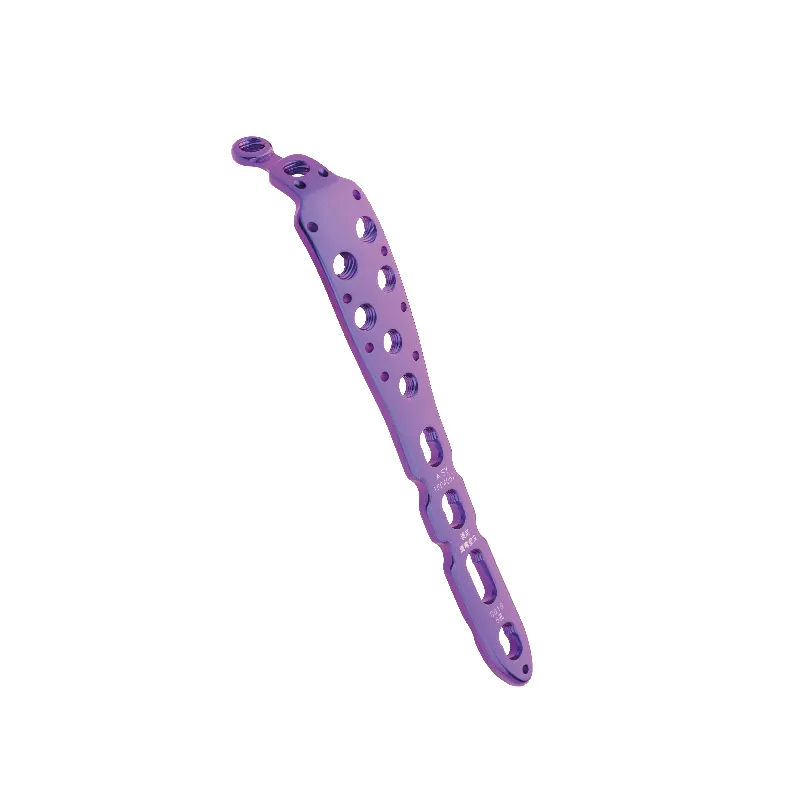
Regulatory Foundations and Standards for Shelf Life Validation of Sterile Proximal Femoral Plates
FDA Guidance and EU MDR Requirements for Shelf Life Claims on Orthopedic Implants
To make legitimate shelf life claims about sterile proximal femoral plates, manufacturers need to follow international regulations closely. In the United States, the FDA has specific rules outlined in 21 CFR Part 820. These rules basically require actual aging tests that prove both sterility remains intact and the device functions properly during its entire shelf life as stated on the label. Meanwhile over in Europe, the MDR Article 61 brings another layer of complexity. Manufacturers must provide clinical proof along with statistical confidence levels typically around those 95/95 intervals when it comes to how long these devices stay stable before expiring. Both sets of regulations insist on thorough testing of packaging materials through various stress simulations like vibrations, pressure changes, and temperature fluctuations according to standards such as ASTM D4169. Companies that don't get this right face serious consequences including product recalls or being forced off the market entirely.
ISO 11607-1:2020 and ISO 11607-2:2019 Compliance in Sterile Barrier Systems for Proximal Femoral Plates
ISO 11607-1:2020 and ISO 11607-2:2019 govern sterile barrier systems (SBS) for terminally sterilized devices like proximal femoral plates. Part 1 specifies material qualification, design verification, and validation protocols; Part 2 details forming, sealing, and process controls. Compliance ensures:
- Maintenance of sterility until point of use
- Resistance to transportation hazards per ASTM D4169
- Material compatibility with sterilization methods (e.g., EtO, gamma radiation)
Manufacturers must validate seal strength (ASTM F88) and integrity (ASTM F2096) at each aging interval. Accelerated aging protocols must follow ISO 11607 Annex C guidance—capped at 55°C—to avoid non-physiological degradation pathways.
Shelf Life Validation Methodologies: Accelerated vs. Real-Time Aging for Metallic Orthopedic Implants
ASTM F1980-Based Accelerated Aging: Applicability, Limitations, and Titanium-Specific Caveats
The ASTM F1980 method speeds up testing of how stable packaging remains over time by cranking up temperatures to mimic what happens during years of storage. Works pretty well for plastics but doesn't translate so easily when dealing with titanium alloys used in medical implants. The way titanium oxidizes and wears down just doesn't follow the same rules as when we apply heat acceleration techniques. Relying too heavily on these fast track tests without checking against actual long term results can hide problems like hidden surface rust or structural changes that weaken the implant's performance. For manufacturers working with titanium parts, it makes sense to create proper links between these accelerated tests and real world degradation rates. This should focus especially on key measures such as how strong the material stays under stress and its ability to resist corrosion. Most companies use something called Arrhenius modeling combined with energy values they've measured themselves to make these connections work better in practice.
Real-Time Aging Protocols: Duration, Sample Size Rationale (FDA 95/95 Confidence), and Clinical Relevance
For validating the shelf life of sterile proximal femoral plates, real time aging is still considered the best method available. These tests usually take around 3 to 5 years when done properly in controlled environments where temperatures stay between 20 and 25 degrees Celsius and humidity levels hover around 35 to 65 percent relative humidity. The Food and Drug Administration requires manufacturers to meet what they call a 95/95 confidence level. That means products need to show at least 95% reliability with 95% certainty. To achieve this, companies must calculate appropriate sample sizes at various points during testing, like month zero, twelve, twenty four, thirty six, forty eight, and sometimes even up to sixty months. The whole process helps identify important ways these medical devices might fail over time. We see things like stress corrosion cracking happening in those cobalt chromium alloy components or problems with layers coming apart in the packaging materials. Since actual real world data feeds directly into how we assess risks associated with these implants, expiration dates based on this kind of testing hold much more weight when submitting applications to regulators or monitoring device performance after they hit the market.
Packaging Integrity Testing Across the Shelf Life Cycle
Keeping proximal femoral plates sterile during their entire shelf life needs regular checks on how well the packaging holds up over time. These tests make sure that the sterile barrier systems can handle what happens during shipping, changes in temperature and humidity, and just getting older in storage. After all, this matters a lot for keeping surgeries safe. Standards such as ISO 11607 require these kinds of detailed integrity checks when validating shelf life claims. Testing happens at different points along the way to catch any gradual breakdown in the packaging materials before it becomes a problem in actual medical settings.
Seal Strength Evaluation per ASTM F88 and ASTM F1140 at Multiple Aging Intervals
When testing how strong seals are, we look at how packages resist coming apart under stress. This typically involves two main tests: ASTM F88 for peeling strength and ASTM F1140 which checks for bursting or creep. The standard tensile tests check seals at three key points - when they're new, halfway through shelf life, and right before expiration date. These tests help spot any weakening patterns over time. Even though titanium implants don't really react much with their packaging during storage, the testing schedule needs to match how fast different plastics break down. This is particularly important for things like peelable tops or heat sealed films that might degrade differently. According to FDA rules, there needs to be at least 95% confidence that seals stay strong until expiration. That means taking samples at multiple intervals throughout the product's life to make sure the sterile barrier stays intact for as long as needed.
Whole Package Integrity Assessment Using ASTM F1886, F2096, and F3039 for Sterile Proximal Femoral Plate Packaging
| Test Standard | Methodology | Target Defect Size |
|---|---|---|
| ASTM F1886 | Visual inspection under vacuum/vacuum decay | ≥50μm channels |
| ASTM F2096 | Internal pressurization (bubble emission) | 5–10μm microleaks |
| ASTM F3039 | Simulated distribution vibration testing | Fatigue-induced failures |
This combinatorial approach addresses sterile barrier vulnerabilities across the aging continuum. Studies show a 97% failure detection correlation when combining these methods—significantly exceeding standalone test reliability. Sterile proximal femoral plate packaging demands such multi-modal validation because plate geometry creates unique stress concentrations during transport and storage that accelerate integrity compromise, particularly at fold lines and corner seals.
Sterilization Method Selection and Its Impact on Shelf Life Validation Strategy
Choosing the right sterilization method has a major impact on how long sterile proximal femoral plates stay valid on shelves, mainly because of how materials interact with devices and whether packaging works properly together. Ethylene oxide or EtO sterilization works well with heat sensitive plastics but needs longer aeration times, which can add anywhere from 30 to 60 extra days onto real time aging tests. Gamma irradiation gets things done faster but comes with its own problems. The high energy levels can actually make certain UHMWPE parts brittle over time, so manufacturers need to run special accelerated aging tests at around 55 degrees Celsius according to ASTM standards. For moisture sensitive materials like PEEK, steam sterilization creates hydrolysis issues that slowly weaken the sterile barrier system. Looking at recent recalls shows why this matters. A 2023 FDA report found companies lost about $740,000 due to problems between sterilization methods and packaging materials when seals weakened by nearly 40% after treatment. Good validation processes must take all these factors into account.
| Sterilization Method | Material Compatibility Risks | Validation Timeline Impact | Primary Testing Focus |
|---|---|---|---|
| Ethylene Oxide | Residual toxicity limits | +30% real-time aging | Residual gas analysis |
| Gamma Irradiation | Polymer brittleness | Accelerated aging focus | Material tensile tests |
| Steam Autoclave | Moisture ingress | Intermediate aging points | Seal strength (ASTM F88) |
Sterilization choices need to match up with ISO 11607 packaging standards, especially those whole package tests outlined in ASTM F2096, if manufacturers want to avoid expensive requalification processes down the road. According to recent findings from the Journal of Medical Device Regulation back in 2024, around seven out of ten attempts to extend product shelf life end up failing whenever there's a change in sterilization methods after initial validation. Taking a more comprehensive approach makes all the difference here. When companies validate how sterilization affects products at different stages of aging, they can ensure things like proximal femoral plates stay sterile while still holding up mechanically over time. This isn't just about meeting regulations anymore; it's becoming essential for long term success in the market.
FAQ Section
What are proximal femoral plates?
Proximal femoral plates are metal devices used in orthopedic surgeries to stabilize fractures in the upper leg or hip region.
Why is accelerated aging testing important?
Accelerated aging testing helps simulate the long-term effects of storage conditions in a shorter period, allowing manufacturers to estimate how well a product holds up over time without having to wait for years.
What does 95/95 confidence level mean?
The 95/95 confidence level indicates that test results will provide at least 95% reliability with 95% certainty, providing strong support in favor of shelf-life claims.
How does sterilization impact shelf life?
Sterilization methods determine how well materials interact with the prosthetic and its packaging, affecting how long the product remains effective. Different methods pose unique risks that may require additional validation tests.
Table of Contents
- Regulatory Foundations and Standards for Shelf Life Validation of Sterile Proximal Femoral Plates
- Shelf Life Validation Methodologies: Accelerated vs. Real-Time Aging for Metallic Orthopedic Implants
- Packaging Integrity Testing Across the Shelf Life Cycle
- Sterilization Method Selection and Its Impact on Shelf Life Validation Strategy
- FAQ Section