 EN
EN
 FR
FR
 ES
ES
 AR
AR

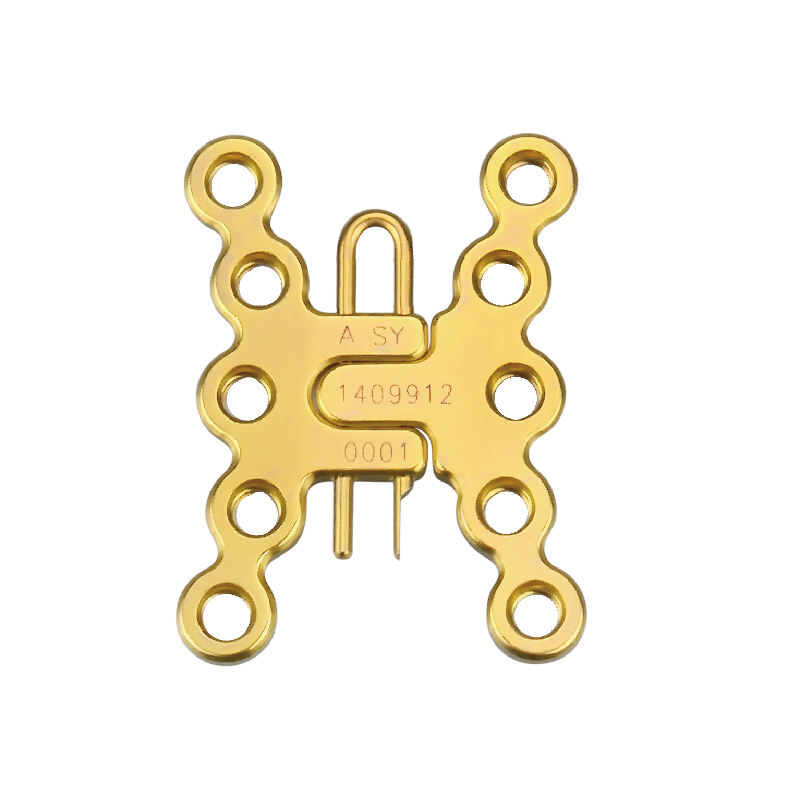
Manufacturer Liability for Defective Sternum Fixation Devices
Design Defects: Inherent Flaws in Biomechanical Stability or Material Selection
When problems show up in medical device designs, they usually stem from core engineering choices made long before anything hits the factory floor. Think about things like not having enough biomechanical stability to handle regular chest movements or picking materials that don't work well in the body's environment. Take those titanium plating systems pulled off shelves last year as an example. According to the Orthopedic Implant Report 2023, around 12 percent of these implants started showing fatigue fractures just 18 months after being put into patients because they couldn't handle repeated stress properly. Some alloys used also corrode easily, which speeds up breakdown and weakens the whole structure over time. These kinds of issues get built right into the official design specs, so they slip past standard quality checks completely. What happens next? Well, unstable implants can cause all sorts of problems including failed bone healing, implants moving out of place, new fractures forming, and even infections developing. From a legal standpoint, companies get sued when there was actually a better design option available back when the product first came to market.
Manufacturing Defects: Variability, Quality Control Failures, and Batch-Specific Recalls
When products come out wrong, it's usually because something went off track during manufacturing rather than being built that way from the start. We've seen this happen before with things like machining coolants getting all messed up and causing tiny cracks in stainless steel sternal wires across multiple batches. Another problem comes from particles floating around after poor sterilization practices affect polymer closures. These kinds of issues lead to what's called FDA Class I recalls, which means there's a real risk of serious injury or even death if left unchecked. Looking at why these problems happen, companies often skip proper checks on raw materials, let machines run out of calibration, or just don't stick to consistent quality control measures. The numbers tell a story too. From 2020 through 2022, recalls specifically targeting batches of sternal implants jumped by 40 percent according to data from the Medical Device Vigilance Database. That kind of spike points to bigger problems in how manufacturers are watching over their production lines.
Failure-to-Warn Defects: Inadequate Labeling, Missing Contraindications, or Off-Label Use Guidance
Manufacturers can get into trouble legally if they don't properly warn about potential dangers through their product labels and instructions. Some big problems happen when there are missing details like vague guidelines on how much weight people with osteoporosis should avoid putting on certain areas, not enough warning about possible interactions with blood thinners, and no mention at all about whether metal implants will interfere with MRI scans. When doctors use equipment outside what's approved by the makers, like using small clamps meant for kids on adult patients, these issues often come up because the instructions weren't clear enough. According to a study from last year, around 6 out of 10 bad outcomes related to chest fixation devices happened when they were used in ways that went beyond what the manufacturer recommended (source: Journal of Clinical Orthopedics). Judges are starting to see these gaps in information as basically negligent behavior, particularly when important things like monitoring after surgery or known risk factors weren't included even though medical professionals already knew about them.
Healthcare Provider Liability in Sternum Fixation Device Use
Breach of Standard of Care in Device Selection, Implant Technique, or Patient Suitability Assessment
When medical devices fail because doctors didn't follow proper standards of care, healthcare professionals can end up facing serious legal consequences. Many problems start before surgery even begins, particularly with things like not properly checking bone density levels, missing other health conditions, or failing to assess if someone's anatomy is suitable for certain procedures. These kinds of oversights account for about one third of all malpractice cases involving sternum fixation devices. Technique mistakes during actual operations also play a big role. Things like plates that aren't shaped correctly, screws placed at wrong angles, or applying too much force when tightening fasteners often lead to broken hardware or implants moving out of place where they shouldn't be. Surgeons need to make sure their implant placements match what's been proven effective biomechanically and stick closely to what manufacturers recommend. If there's no good record explaining why a particular device was chosen, or if obvious red flags like existing infections or bad bone quality are ignored, courts tend to side against the provider in negligence cases. Getting input from different specialists and keeping up with regular training on specific device techniques helps cut down on preventable mistakes most of the time.
Negligent Postoperative Monitoring and Failure to Recognize Early Signs of Device Failure
About 41% of malpractice claims related to sternum fixation devices come down to what happens after surgery. Doctors need to watch out for red flags like ongoing chest discomfort, strange crackling sensations under the skin, swelling in specific areas, or when wounds start opening up again during those critical first six weeks following operation. When problems like loose hardware, serious infections in the sternum area (called DSWIs), or mediastinitis go unnoticed too long, patients face real dangers including blood poisoning, broken sternums, or needing another operation altogether. Hospitals that implement regular checkups and scheduled imaging tests see about a 28% drop in patients coming back for readmission according to research published in the Journal of Thoracic and Cardiovascular Surgery. Paperwork matters too. Missing details about how symptoms develop over time or ignoring what patients report can seriously hurt legal defenses later on. Teaching patients what to look out for and keeping them on track with follow-up appointments isn't just good practice—it's basically insurance against complications down the road.
Proving Causation and Overcoming Evidentiary Hurdles in Liability Claims
To establish legal causation in cases where sternum fixation devices fail, plaintiffs need to show that a particular defect actually led to the injury, not something else like an existing health condition or mistakes during surgery. There are plenty of hurdles to jump over here. Medical records tend to be scattered among different doctors and hospitals. Sometimes the hardware itself gets lost or damaged after being removed from the body. And let's face it, there just isn't enough detailed information recorded during actual surgeries most of the time. That's where expert witnesses come into play big time, especially when dealing with problems that don't show up right away, such as metal corrosion or fractures caused by repeated stress. Good documentation matters a lot too. Keeping track of what was found during surgery, how patients felt afterward, and when various imaging tests were done helps build stronger arguments about what really went wrong. When possible, having proper procedures in place for retrieving these devices gives lawyers concrete proof to work with. Winning these cases usually means working hand in hand with orthopedic surgeons, people who study how materials break down under stress, and doctors who specialize in infections, all to fight back against claims that blame everything on preexisting conditions in the patient.
Mitigating Liability Risks: Best Practices for Manufacturers and Clinicians
Proactive, evidence-informed risk management is essential for both manufacturers and clinicians to uphold patient safety and minimize exposure to liability.
For Manufacturers: Robust Clinical Validation, Transparent Risk Communication, and Proactive Post-Market Surveillance
When manufacturers want to minimize their legal risks, they need to test products under actual biomechanical conditions rather than just looking at basic load numbers. Keeping an eye on how these devices perform over time through market surveillance is also critical for spotting any issues that might develop later on. Product labels should clearly state what the materials can't do, who shouldn't use them like people with osteoporosis, and exactly how surgeons need to handle them during operations including specific torque settings and shaping instructions. The FDA reports that automated systems for tracking bad events actually shorten recall periods by around 40% compared to old fashioned paper trails. And let's not forget regular checks for biocompatibility and resistance to corrosion since these factors determine whether materials will stay stable once inside the body.
For Clinicians: Documentation Rigor, Multidisciplinary Decision-Making, and Adherence to Updated Consensus Guidelines
To reduce legal risks, doctors need to keep thorough records explaining why certain devices were chosen, how procedures were performed during surgery, and what specific risks patients had going into the operation. Things like body mass index readings, bone strength measurements, and whether someone is on blood thinners all need proper documentation. For complicated situations, it makes sense to bring together different specialists before surgery starts. That means getting input from heart surgeons, imaging experts, and mechanical engineers who understand how implants work in the body. Following established protocols such as the 2023 Sternal Closure Guidelines helps ensure consistent treatment approaches, especially when using equipment outside its approved purposes. After surgery, regular scans at around six weeks, twelve weeks, and twenty four weeks can catch problems like implant movement or breakage early on. Proper training with the right tools for inserting medical devices is absolutely critical too. Technique errors actually cause about 30% of preventable issues after surgery, so this aspect cannot be overlooked.
FAQ Section
What are the common defects in sternum fixation devices?
Common defects in sternum fixation devices include design defects, manufacturing defects, and failure-to-warn defects. Design defects may involve biomechanical instability or poor material choices, manufacturing defects often stem from quality control failures, and failure-to-warn defects arise from inadequate labeling and instructions.
How does healthcare provider liability occur with sternum fixation devices?
Healthcare provider liability can occur due to breaches in the standard of care during device selection, improper implant techniques, poor patient suitability assessment, and negligent postoperative monitoring. Legal consequences may follow if providers fail to follow established procedures or ignore critical signs after surgery.
What best practices can manufacturers and clinicians adopt to mitigate liability risks?
Manufacturers can mitigate liability risks by ensuring robust clinical validation of devices, transparent risk communication, proactive post-market surveillance, and clear product labeling. Clinicians can adopt practices like thorough documentation, multidisciplinary decision-making, and adherence to updated consensus guidelines to reduce legal risks.