 EN
EN
 FR
FR
 ES
ES
 AR
AR

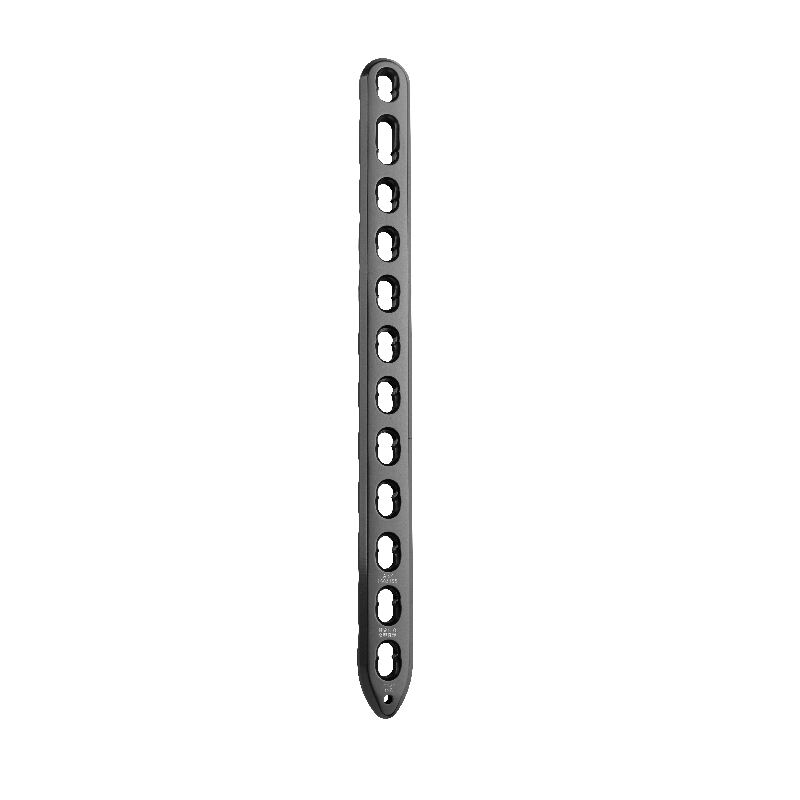
Global Market Access: Why Trauma Implant Manufacturers Pursue Both CE and FDA Approval
Getting both CE and FDA approvals opens doors to two major markets at once: the $47 billion medical device industry in the US plus Europe's huge patient base of around 450 million people. According to a recent study from Deloitte in 2023, nearly 8 out of 10 orthopedic companies are going for these parallel submissions so they can get ahead of competitors and avoid waiting too long before launching products. The FDA approval is required if selling in America, but getting that CE mark lets manufacturers enter European markets much quicker typically taking about nine months versus fourteen months for the full FDA PMA process. Companies saving money on testing costs find this approach really helpful because it allows them to run those important stress tests according to both ASTM F382 and ISO 14879 standards right from the start of product development instead of having to repeat everything later.
High-Risk Classification: How Trauma Implants Fall Under Stringent Regulatory Pathways
Trauma implants typically fall into the Class III category because they save lives and stay inside patients for more than 15 years on average. When it comes to getting these approved, things work differently across borders. In America, companies need to go through something called Premarket Approval which involves actual clinical trials before anyone can sell them. Over in Europe under the new MDR rules from 2017, manufacturers have to talk things out with these special bodies known as Notified Bodies during clinical evaluations. After approval, both places keep an eye on safety for at least ten years. The FDA wants yearly updates plus might ask for extra studies after market launch. Meanwhile European regulations require those big thick reports called PSURs every so often. A recent study published in JAMA Surgery back in 2024 found that barely half (just 43%) of implants marked with the CE symbol actually pass what the FDA considers safe levels of biocompatibility. This gap shows there's still room for improvement when comparing how different countries test materials used in medical devices.
Case Study: Timeline and Strategy Behind a Leading Spinal Trauma Implant’s Dual Approval
A titanium lumbar fusion system achieved dual approval in 22 months through synchronized CE/FDA processes:
| Phase | CE Marking | FDA PMA |
|---|---|---|
| Biocompatibility | ISO 10993-1 (6 wks) | ASTM F2503 (10 wks) |
| Clinical Evidence | 12-month EU registry | 24-month RCT |
| Review Period | 11 months | 14 months |
The manufacturer staggered animal trials to satisfy FDA’s Good Laboratory Practice (GLP) requirements while reusing mechanical testing data across both submissions, cutting duplicate costs by 32%. Post-approval, they implemented a unified post-market surveillance (PMS) system compliant with both FDA MAUDE and EU Eudamed databases.
Comparing EU and US Regulatory Pathways for Trauma Implants
CE Marking Process: Role of Notified Bodies and Conformity Assessment for Class III Devices
Getting CE marked for Class III trauma implants in Europe involves working with independent Notified Bodies appointed by different countries to check if products meet the Medical Device Regulation (MDR) 2017/745 requirements. These outside experts look at everything from surprise factory visits to going through all the technical papers and checking how well clinical evaluations were done. This approach differs quite a bit from what happens at the FDA where everything runs through one central office. Instead, companies need to start talking to these Notified Bodies right from the beginning of their product development. When we're talking about those high risk spinal fusion systems specifically, the whole approval process usually takes somewhere between nine and fifteen months. During this time, manufacturers have to show their device works similarly to what's already out there while also proving they've properly managed all potential risks according to the ISO 14971 standard.
FDA Approval Process: PMA vs. 510(k) Pathways for Orthopedic Trauma Devices
Most trauma implants in the United States are classified as either Class II or III medical devices. These classifications determine whether manufacturers need full Premarket Approval (PMA) for completely new technology or can get away with 510(k) clearance if their device is similar enough to something already on the market. Getting PMA approval means going through mountains of clinical data. For example, developing an orthopedic trauma device like an intramedullary nail typically costs around $30 million according to recent studies from JAMA. Spinal implants tell a different story though. About 78% of these products skip the expensive clinical trial route entirely. Instead they go through the 510(k) process by showing they work similarly to existing products using lab tests alone. When it comes to actually submitting paperwork, there's another key difference between US and European regulations. While CE marking requires detailed risk assessments following ISO 14971 standards, the FDA focuses more on biocompatibility issues outlined in their guidance document G95-1. This distinction affects how companies prepare their documentation depending on where they want to sell their products.
Key Differences in Clinical Evidence, Testing, and Post-Market Surveillance Requirements
- Clinical Evidence: EU MDR requires ongoing clinical follow-up for all Class III implants, whereas the FDA typically limits trial obligations to premarket phases unless post-approval studies are mandated.
- Biocompatibility Testing: The EU follows ISO 10993-1, mandating cytotoxicity, sensitization, and implantation testing; the FDA places greater emphasis on chemical characterization per ASTM F2459.
- Post-Market Surveillance: The EU enforces annual PSURs for all high-risk devices, while the FDA issues post-approval study requirements in approximately 20% of PMA cases (FDA, 2023).
Manufacturers pursuing dual approvals can reduce redundant testing by 15–30% by harmonizing protocols early, according to regulatory consultants.
Impact of Device Classification on Dual Approval Requirements
FDA Class III vs. EU Class III: Aligning Risk-Based Classification for Trauma Implants
Both the FDA and European Union place trauma implants in their highest regulatory category, Class III, because they're invasive and can cause serious harm if something goes wrong. But there's a big difference in how each region approaches approvals. The Europeans look specifically at how long the device stays inside the body, especially when it's meant to be permanent. Meanwhile, American regulators focus more on what the implant is supposed to do and whether it uses new technology. This means that something like a spinal fusion cage might get approved through the Pre-Market Approval process in the United States, yet run into much tougher requirements from European Notified Bodies. Companies trying to get products certified in both markets need to sort out these regulatory differences right from the start. They should make sure their design processes and risk assessments meet standards from both sides of the Atlantic, following ISO 14971 guidelines alongside the FDA's Quality System Regulations found in 21 CFR Part 820.
Biocompatibility and Material Standards: Addressing Divergent Requirements in ISO 10993 and FDA Guidance
The challenge of meeting biocompatibility standards lies in bridging different regulatory approaches. The EU's ISO 10993-1 standard demands biological endpoint testing like cytotoxicity checks, skin sensitivity tests, and implantation studies for all Class III medical devices. Meanwhile, the FDA takes a different route focusing more on chemical analysis and assessing material risks instead. When it comes to titanium alloy trauma plates specifically, this regulatory split creates problems. Manufacturers end up doing duplicate testing just to satisfy both sides. Recent research from 2023 shows that around two thirds of companies making orthopedic implants run separate biocompatibility tests for each market they target. This duplication adds anywhere between 180 thousand to 420 thousand dollars in extra costs per product submission. There is some relief available though. Companies that choose materials already listed in FDA Drug Master Files and maintain proper EUDAMED documentation tend to find the process smoother and avoid much of this redundant work.
Time, Cost, and Documentation Challenges in Dual Submissions
Average Timelines: CE Marking (6–12 Months) vs. FDA Review (12–24 Months)
Getting products certified through both regulatory systems needs good timing because the approval timelines vary so much. The CE mark usually takes around six to twelve months once the Notified Body gets involved according to EU MDR requirements. Things get complicated though when dealing with the FDA's PMA pathway for those high risk trauma devices classified as Class III. That process tends to drag on for about twelve to twenty four months since there's just so much clinical data they want to see. A recent look at the industry from last year showed something interesting too. Nearly two thirds (that's 63%) of companies making spinal screws ran into unexpected holdups with the FDA lasting longer than eighteen months whenever they tried bringing new materials to market. Meanwhile only about one fifth (22%) had such problems getting their CE marks approved. Makes sense really given how much more rigorous the FDA tends to be with safety evaluations.
Cost Breakdown and Resource Planning for Parallel Regulatory Submissions
Parallel submissions increase total costs by 35–60% compared to single-market approvals, with median expenses ranging from $540k to $720k per implant system. Major cost drivers include:
- $220k–$350k for FDA clinical studies (vs. $80k–$150k for CE-compliant EU trials)
- $75k–$120k for dual biocompatibility testing aligned with ISO 10993-1 and FDA G95-1
- 200–400 personnel-hours spent resolving documentation inconsistencies between regions
Effective resource planning is essential to manage increased financial and operational demands.
Streamlining Technical Files and Design Dossiers for Both Markets
Smart manufacturers are cutting down on redundant work by creating technical files that can be used across different regulatory frameworks. These files have modular parts that fit both FDA regulations under 21 CFR 820 and the requirements set out in the EU Medical Device Regulation. According to a recent industry report from 2023, firms that adopted these cross-compliant documentation approaches saw their submission prep time drop by around 40 percent. They also had nearly 60% fewer issues found during audits. When it comes to what really matters for compliance, there are several key areas needing attention. Post market surveillance plans must meet both FDA Section 522 requirements and EU MDR Article 83 standards at the same time. Risk management documents also need special attention since they have to bridge between ISO 14971 standards and what the FDA actually expects in practice.
FAQ
Why do trauma implant manufacturers pursue both CE and FDA approval?
Getting both CE and FDA approvals allows manufacturers access to major markets in the U.S. and Europe, offering competitive advantages and quicker market launches.
How do trauma implants fall under stringent regulatory pathways?
Trauma implants are classified as Class III devices due to their life-saving functions and long-term implantation, necessitating rigorous evaluations in both U.S. and European regulatory systems.
What are the key differences between CE marking and FDA approval for trauma implants?
CE marking involves working with Notified Bodies across Europe, while FDA approval requires a central review process. Differences include clinical evidence requirements, biocompatibility testing, and post-market surveillance protocols.
What is the impact of parallel submissions on costs and resource planning?
Parallel submissions can increase costs by 35–60%, requiring effective resource planning to manage financial and operational challenges.
Table of Contents
- Global Market Access: Why Trauma Implant Manufacturers Pursue Both CE and FDA Approval
- High-Risk Classification: How Trauma Implants Fall Under Stringent Regulatory Pathways
- Case Study: Timeline and Strategy Behind a Leading Spinal Trauma Implant’s Dual Approval
- Comparing EU and US Regulatory Pathways for Trauma Implants
- CE Marking Process: Role of Notified Bodies and Conformity Assessment for Class III Devices
- FDA Approval Process: PMA vs. 510(k) Pathways for Orthopedic Trauma Devices
- Key Differences in Clinical Evidence, Testing, and Post-Market Surveillance Requirements
- Impact of Device Classification on Dual Approval Requirements
- Time, Cost, and Documentation Challenges in Dual Submissions
- FAQ