 EN
EN
 FR
FR
 ES
ES
 AR
AR

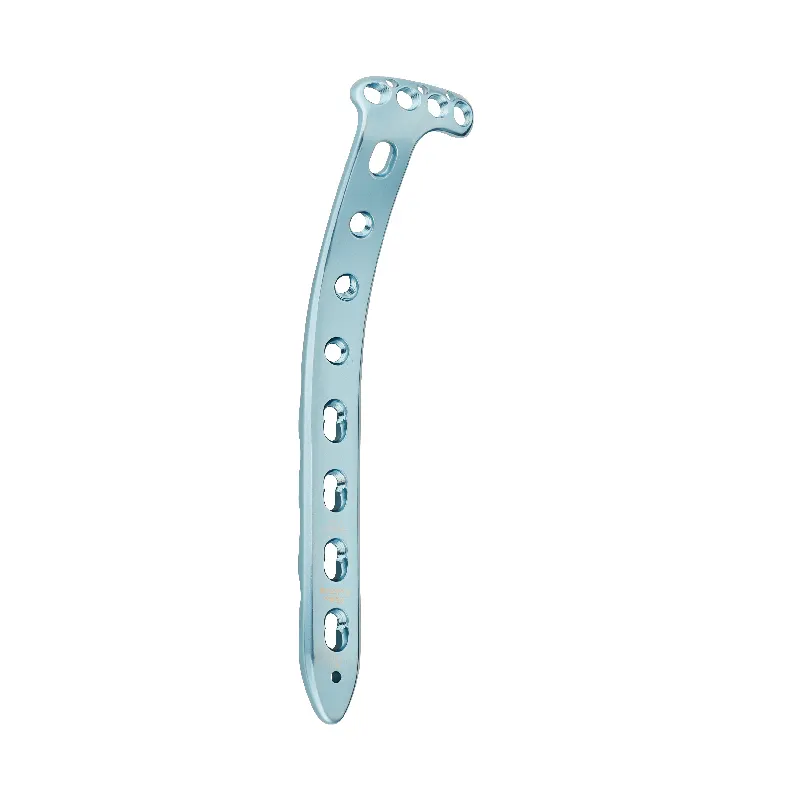
Modos de falla relacionados con el hueso: extracción y aflojamiento del tornillo en hueso osteoporótico y conminuto
Extracción del tornillo debido a una cantidad inadecuada de hueso y reducción de la resistencia al corte interfacial
El hueso afectado por osteoporosis o conminución crea problemas reales para lograr una fijación estable. La menor densidad mineral ósea debilita básicamente la sujeción entre los tornillos y el tejido óseo, lo que dificulta obtener un buen agarre inicial. Investigaciones han encontrado que en huesos con osteoporosis, algunos diseños de tornillos solo pueden resistir alrededor de 294 newtons de fuerza antes de extraerse, aproximadamente la mitad de lo que logran los sistemas mejor diseñados, que alcanzan unos 607 newtons. Esta gran caída se produce porque la estructura ósea interna resulta dañada, especialmente cerca de los extremos de los huesos largos, donde tanto la capa externa se adelgaza como la estructura interna de soporte se desintegra. Una vez que la presión ejercida por el tornillo supera la capacidad del hueso ya debilitado para soportarla, las roscas comienzan a aflojarse progresivamente. Esto inicia una reacción en cadena en la que la estructura ósea de soporte colapsa poco a poco hasta que finalmente el tornillo se sale completamente.
Aflojamiento del tornillo por micromovimiento y fallo progresivo de la fijación bajo carga cíclica
Incluso pequeñas cantidades de movimiento después de la cirugía, alrededor de 200 a 500 micrones, pueden provocar lo que se llama corrosión por fretting en el punto donde los tornillos contactan con el hueso, especialmente cuando se trabaja con huesos de baja densidad. Las diminutas partículas generadas por esta microabrasión interfieren con la integración ósea adecuada y hacen que toda la fijación sea menos estable con el tiempo. Estudios sobre la forma en que las personas caminan muestran que cada paso reduce en realidad el agarre entre el implante y el hueso aproximadamente entre un 0,5 % y casi un 1,2 % en huesos afectados por osteoporosis. Esto crea una especie de espiral descendente en la que las cosas simplemente siguen empeorando. Los médicos observan este problema como áreas oscuras que se forman alrededor de los tornillos en radiografías tomadas durante varios meses. Si no se trata, la mayoría de los implantes terminarán fallando completamente entre los tres y seis meses posteriores a su colocación.
Modos de Fallo a Nivel del Dispositivo: Rotura de la Placa, No Unión y Falla Catastrófica del Mecanismo de Bloqueo
Protección contra estrés, fractura por fatiga y retraso/no consolidación vinculados a la rotura de la placa
Cuando se utilizan placas rígidas para fijar huesos durante la cicatrización, en realidad eliminan parte de las tensiones normales que ayudan a fortalecer los huesos. Esto crea lo que los médicos llaman blindaje por estrés, lo cual puede provocar atrofia muscular con el tiempo. Según investigaciones publicadas el año pasado en el Journal of Orthopaedic Research, las placas tienden a deteriorarse tras soportar entre un millón y diez millones de ciclos de carga. La situación empeora cuando existe una cicatrización tardía o ausente, algo que ocurre en aproximadamente entre el 5 y el 10 por ciento de las fracturas complejas. Cuanto más tiempo permanecen estos implantes en su lugar, más rápido se desgastan por fatiga del metal. La mayoría de las roturas ocurren cerca de zonas donde el hueso no estaba adecuadamente unido o cerca de los propios tornillos, ya que esos puntos experimentan mucha más presión de la que la aleación de titanio puede soportar con seguridad. Cuando esto sucede, normalmente los pacientes necesitan otra operación junto con algún tipo de tratamiento de soporte óseo, como injertos, para reparar adecuadamente la zona.
Soldadura en frío, deshilachado de rosca y fallo de la interfaz de cierre rápido en placas traumáticas de fallo del mecanismo de bloqueo
La mayoría de los fallos más graves ocurren justo en la conexión entre tornillos y placas. Las piezas de titanio tienden a adherirse entre sí mediante un fenómeno denominado soldadura en frío cuando se aplica demasiada fuerza (más de 4,5 Nm) y no hay suficiente lubricante presente. Cuando esto sucede, las superficies metálicas se unen a nivel molecular. Otro problema común es el deshilachado de la rosca. Esto ocurre cuando esos tornillos de bloqueo cónicos sobrepasan sus límites diseñados durante una instalación que no está perfectamente alineada. Pruebas según normas ASTM F543 muestran que esto puede reducir la resistencia de la conexión casi a la mitad. Los sistemas de cierre por cámaras tienen dos problemas principales. Primero, se deforman plásticamente cuando se doblan más allá de aproximadamente 15 grados. Segundo, las fundas expansivas dentro de estos mecanismos pierden gradualmente tensión con el tiempo mientras experimentan fuerzas corporales normales. Todos estos problemas provocan una reducción en la estabilidad angular, permitiendo que los tornillos se muevan ligeramente hacia adelante y hacia atrás. Este pequeño movimiento se acumula hasta que finalmente toda la placa se afloja del lugar donde debía permanecer fija.
Vulnerabilidades Biomecánicas Específicas del Diseño: Enganche de Rosca, Integridad del Cierre de Leva y Limitaciones del Sistema de Expansión
Desgaste de la rosca y pérdida de estabilidad angular bajo sobrecarga torsional
Cuando los tornillos se deshilachan, generalmente ocurre porque hay demasiada fuerza de torsión en el punto donde el tornillo entra en contacto con la placa ósea. Este problema empeora en los sistemas de bloqueo de ángulo variable (VALS) cuando la forma del filete no es del todo correcta o cuando el tornillo no penetra lo suficientemente profundo en el orificio de la placa, idealmente al menos 1,5 veces el diámetro del propio tornillo. Estudios que analizan el funcionamiento mecánico de estos sistemas han descubierto algo interesante: si el ángulo supera los 15 grados en los VALS, la capacidad de bloqueo disminuye aproximadamente un 40 %, según investigaciones publicadas en Frontiers in Bioengineering el año pasado. Pequeños espacios creados durante la fabricación entre los filetes del tornillo y los de la placa pueden agravar aún más la situación al concentrar todo ese esfuerzo en un solo punto, lo que acelera las tasas de fallo. Para los cirujanos que trabajan en estos casos, es muy importante lograr una trayectoria exacta de perforación, así como aplicar la cantidad justa de fuerza de apriete. Lograr este equilibrio ayuda a mantener una buena sujeción inicial y también a conservar la estabilidad a lo largo del tiempo.
Deformación del sistema de bloqueo por manguito y expansión por fluencia bajo cargas fisiológicas prolongadas
Cuando los mecanismos de bloqueo por leva están sometidos a tensiones fisiológicas repetidas durante un período prolongado, tienden a deformarse plásticamente, lo que reduce gradualmente su capacidad para mantener ángulos adecuados. Los sistemas de expansión, particularmente aquellos fabricados con titanio de grado comercial, muestran signos de fluencia lenta, en los que ocurren cambios permanentes a tasas superiores a 0,2 milímetros por año cuando se exponen a fuerzas corporales normales. Este estiramiento progresivo debilita el ajuste firme entre los componentes que mantiene estables los tornillos y placas dentro del cuerpo. Otro problema surge de la soldadura en frío en los puntos de contacto metálicos, lo que elimina los pequeños movimientos necesarios para que los huesos se adapten y sanen correctamente alrededor de los implantes. Por esta razón, los médicos deben supervisar cuidadosamente la cantidad de peso que los pacientes aplican sobre sus cuerpos después de la cirugía, especialmente importante en individuos cuyos huesos desde un principio no son tan fuertes. Seguir estas pautas ayuda a prevenir fallos que de otro modo podrían ocurrir meses después.
Preguntas frecuentes
¿Qué causa la extracción del tornillo en huesos osteoporóticos?
La extracción del tornillo generalmente es causada por una cantidad inadecuada de hueso y una resistencia al corte reducida entre el tornillo y el hueso osteoporótico debilitado.
¿Cómo conduce el micromovimiento al aflojamiento del tornillo?
El micromovimiento durante actividades como caminar crea desgaste en la interfaz hueso-tornillo, reduciendo la integración ósea y provocando el aflojamiento con el tiempo.
¿Qué es la protección contra tensiones en la fijación ósea?
La protección contra tensiones ocurre cuando implantes rígidos eliminan los esfuerzos naturales del hueso en curación, lo que puede resultar en atrofia muscular y retraso en la cicatrización ósea.
¿Cuáles son los modos comunes de fallo a nivel del dispositivo en la fijación ósea?
Los fallos comunes incluyen rotura de la placa debido a la protección contra tensiones y fractura por fatiga, así como fallos en los mecanismos de bloqueo, tales como soldadura en frío y deterioro de las roscas.
Tabla de Contenido
- Modos de falla relacionados con el hueso: extracción y aflojamiento del tornillo en hueso osteoporótico y conminuto
- Modos de Fallo a Nivel del Dispositivo: Rotura de la Placa, No Unión y Falla Catastrófica del Mecanismo de Bloqueo
- Vulnerabilidades Biomecánicas Específicas del Diseño: Enganche de Rosca, Integridad del Cierre de Leva y Limitaciones del Sistema de Expansión