 EN
EN
 FR
FR
 ES
ES
 AR
AR

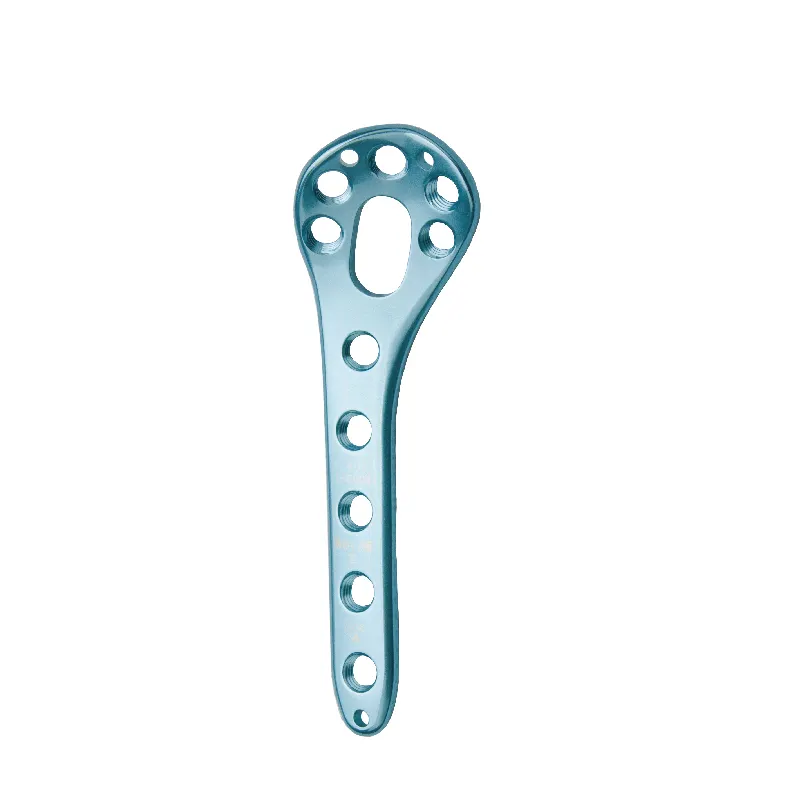
Understanding Unmet Clinical Needs in Pediatric Orthopedics
Prevalence and consequences of untreated limb deformity, early-onset scoliosis, and pediatric trauma
More than two thirds of pediatric orthopedic issues like limb deformities and early onset scoliosis go without proper treatment in areas where resources are limited, leading to worsening disabilities over time. Around the world, approximately 1 child out of every 10,000 ends up needing treatment for early onset scoliosis. When doctors miss diagnosing or treating this condition on schedule, kids face about a 30 percent greater chance of developing serious lung problems from their spine issues according to research published by SRS in 2023. Growth plate injuries represent roughly 15% of all childhood fractures too. Unfortunately, when these aren't managed properly, nearly a quarter of kids end up with noticeable differences in leg length. If left alone during those crucial periods when bones are still growing, these problems can cause permanent trouble walking, additional heart and lung difficulties, and significantly lower quality of life throughout adulthood.
Biomechanical and biological mismatches: why adult-derived implants fail in growing bone
Orthopedic implants made for adults just don't work well in children's bodies. Kids' bones are actually about three times more flexible and around forty percent less dense compared to adult bones. These differences lead to problems like stress on surrounding tissues, implants coming loose over time, and poor integration with growing bone tissue when we put adult sized hardware into young patients. The fact that kids' skeletons grow roughly one to two centimeters every year creates major issues with standard adult implant designs. There are basically three main problems that can't be fixed with these static adult models:
| Bone Property | Adult Implant Design | Pediatric Requirement | Clinical Consequence |
|---|---|---|---|
| Elastic Modulus | High rigidity | Dynamic flexibility | Bone resorption (22% rate) |
| Growth Capacity | Static fixation | Longitudinal expansion | Implant migration (17% cases) |
| Remodeling Rate | Permanent integration | Temporary function | Revision surgeries (40% rate) |
This mismatch contributes to a 40% higher complication rate compared to age-appropriate solutions (Journal of Pediatric Orthopaedics, 2021). Metallic implants further impede vascular ingrowth essential for bone remodeling, while non-degradable materials provoke chronic inflammation in developing tissues—reinforcing the imperative for growth-accommodating, biologically responsive device platforms.
Bridging the Gap: Translating Unmet Clinical Needs into Device Innovation
Surgeon-led co-development: modular growth-friendly rods as a model for clinical feedback integration
When it comes to making real progress in pediatric orthopedics, nothing beats having surgeons actively involved in developing new devices. About 40% of problems with medical equipment happen because adults' implants just don't work right for growing children (Journal of Pediatric Orthopaedics, 2019). What happens during actual surgeries turns those frustrating moments into specific needs for engineers. Take modular rods designed for growth as an example these allow kids to grow without needing another operation. The whole process works best when doctors check how well things are going at each step from initial ideas all the way through monitoring after products hit the market. This makes sure the gadgets actually solve the big issues we face, like letting bones grow properly and reducing the need for repeat surgeries. Looking at the numbers, working together this way cuts down on development time by around 30%, and implants last much longer too about 92% still functioning after five years according to the 2023 report on implant longevity. Research into doctor driven innovations shows why this matters so much. Surgeons know exactly what happens inside the body during operations, understand the practical limits of what can be done, and see how treatments hold up over time something no one sitting at a desk designing stuff theoretically could ever match.
From OR insights to design specs: converting intraoperative challenges into pediatric-specific parameters
Three recurring intraoperative observations consistently define pediatric device performance criteria:
- Bone density variability, necessitating force-limited insertion tools to prevent microfractures in osteopenic metaphyseal bone;
- Growth trajectory mapping, demanding controlled dynamization to avoid premature growth arrest;
- Revision avoidance, requiring corrosion-resistant alloys and surface chemistries suitable for decade-long implantation.
The knowledge gained leads to specific design goals such as threads shaped in a taper for better hold in metaphyseal areas and special coatings made from calcium phosphate which help bones grow around implants even when bone density is low. When engineers take what surgeons know from their experience and turn it into measurable numbers, like needing almost three times more force to pull out screws from adolescent bones compared to those of toddlers, they create tools specifically for these cases instead of just shrinking down adult versions. This approach focused on actual needs cuts down on improper usage by roughly two thirds and makes operations run smoother during surgery while still keeping patients safe according to recent studies published in Clinical Orthopedic Design Metrics last year.
Building a Sustainable Product Portfolio Around Unmet Clinical Needs
Tiered strategy: off-label adaptations (short-term) vs. bioresorbable and growth-accommodating platforms (long-term)
Building a sustainable portfolio for pediatric orthopedics needs a thoughtful approach that combines immediate fixes with longer term innovations. Many doctors still rely on adult implants for kids, even though this practice comes with known problems like poor fit mechanics, faster need for replacement surgeries, and issues with normal bone growth. These workarounds might seem necessary right now, but they just aren't substitutes for proper pediatric solutions. Take untreated limb deformities as an example. According to research from Ponemon Institute back in 2023, these conditions can cost over $740k throughout a person's life. That number really highlights how expensive delays become both for families and healthcare systems. Looking ahead, the focus should be on developing two main types of technology. First, there are bioresorbable implants that naturally break down as bones heal. Second, we need systems that actually grow along with children's skeletons rather than simply being smaller versions of adult devices. This combination gives real benefits to patients today while making research investments less risky. Plus it makes sense ethically too since kids deserve medical equipment designed specifically for their bodies, not just shrunk down alternatives.
Regulatory, Commercial, and Ethical Enablers for Needs-Driven Development
For pediatric orthopedic innovation to really take off, we need regulatory, commercial, and ethical factors working together. Take the FDA's Humanitarian Device Exemption program for example. It's meant for those super rare conditions that affect less than 8,000 people each year in the US. This actually gives manufacturers a way forward when developing treatments for kids with serious issues like early onset scoliosis or complicated growth plate injuries. On the money side of things, companies can't afford to develop these specialized devices without some financial support. That's where value-based payments and bundled payment systems come into play, helping balance out the huge research costs against the small number of potential users. From an ethics standpoint, having surgeons involved right from the start makes all the difference. They make sure the designs focus on what matters most clinically: allowing proper growth, reducing the need for multiple surgeries, and keeping kids safe during development. When it comes to new tech like dissolvable implants, everyone needs to be at the table discussing trials. We still don't have enough long term data on how these things work over time. All these pieces fit together to build something meaningful. Unmet medical needs should push both innovation and fair treatment decisions based on solid evidence, not just theoretical possibilities.
Frequently Asked Questions (FAQ)
What are the main challenges faced in pediatric orthopedics?
The main challenges include untreated limb deformities, early-onset scoliosis, pediatric trauma, and the mismatch of adult-derived implants failing in growing bones.
Why are adult-derived implants unsuitable for children?
Children's bones are more flexible and less dense than adult bones, leading to incompatibility issues like stress on surrounding tissues and poor integration, which can result in complications such as implant loosening and poor bone growth.
How can pediatric orthopedic devices be improved?
Improvement comes from surgeon-led co-development and converting intraoperative insights into pediatric-specific device parameters, such as force-limited insertion tools and corrosion-resistant materials.
What role do regulatory factors play?
Regulatory factors like the FDA's Humanitarian Device Exemption program play a role in facilitating the development of specialized pediatric treatments for rare conditions, supporting innovation tailored to children's needs.
Table of Contents
- Understanding Unmet Clinical Needs in Pediatric Orthopedics
- Bridging the Gap: Translating Unmet Clinical Needs into Device Innovation
- Building a Sustainable Product Portfolio Around Unmet Clinical Needs
- Regulatory, Commercial, and Ethical Enablers for Needs-Driven Development
- Frequently Asked Questions (FAQ)