 EN
EN
 FR
FR
 ES
ES
 AR
AR

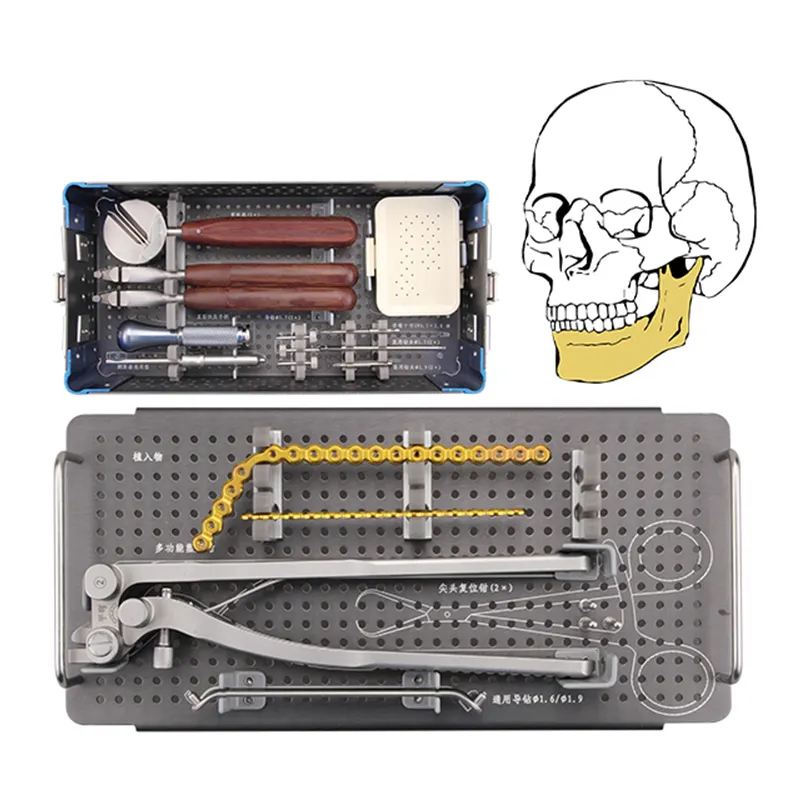
Core Outcome Domains for Maxillofacial Surgery Implant Benchmarking
Why Orthopedic Metrics Fail: Anatomy- and Function-Specific Demands of Maxillofacial Surgery Implants
The metrics used for orthopedic implants just don't match up with what we see in maxillofacial surgery because the face works so differently from weight bearing joints. Maxillofacial implants have to do multiple things at once: they need to help people chew properly, maintain clear speech, keep airways open, and look good aesthetically. Plus they have to fit into thin, uneven bones around sensitive areas like sinuses, blood vessels, and teeth. This creates problems that regular orthopedic testing doesn't account for. We often see issues like skin breakdown around implants, unstable bite alignment, or distorted facial contours that traditional tests simply miss. Take zygomatic implants for example. When someone chews, these implants experience all sorts of complicated forces from different directions. Standard joint replacement tests aren't designed to handle this kind of craniofacial stress, which is why specialized evaluation methods are needed instead of generic approaches.
The Four Pillars: Function, Aesthetics, Occlusion, and Soft-Tissue Integration as Non-Negotiable Domains
Benchmarking must evaluate outcomes across four interdependent, non-substitutable domains:
- Function: Restoration of mandibular range of motion and quantifiable bite force capacity
- Aesthetics: Preservation of facial symmetry, soft-tissue contour, and natural volumetric balance
- Occlusion: Precise static and dynamic tooth contact enabling efficient mastication and minimizing parafunctional stress
- Soft-Tissue Integration: Stable, keratinized mucosal seal preventing bacterial ingress and chronic inflammation
Neglecting any pillar risks clinical failure— even when others succeed. Aesthetic compromise alone accounts for 27% of revisions despite technically sound function and osseointegration, confirming that holistic assessment is not optional but essential to patient-centered success.
Risk Adjustment for Accurate Maxillofacial Surgery Implant Outcome Comparison
Comorbidity Impact: How Diabetes, Radiation History, and Nutritional Status Skew Unadjusted Revision Rates
Trying to compare maxillofacial implant results without considering patient risks just doesn't cut it clinically speaking. Take diabetes for instance—it messes with blood vessel growth and bone cell function, which means folks with this condition face roughly double the infection chances (about 2.3 times higher) and their implants fail around 38% more often than those without diabetes. When patients have had radiation therapy to the head or neck area above 50 Gray units, there's noticeable damage to bone blood supply and cell renewal processes. This tends to lead to four times more cases where bones simply won't heal together properly. Low nutrition levels, specifically when albumin drops below 3.5 grams per deciliter in blood tests, also causes problems. The mouth lining takes about three weeks longer to mature and attach properly in these cases. All told, these various conditions account for nearly half (around 47%) of why some people need implant revisions within five years compared to others. That makes straightforward registry numbers pretty much useless if we want to accurately measure performance or assess quality standards across different groups.
HEAD-NECK-RISK Index: A Validated Tool to Standardize Risk Adjustment Across Maxillofacial Surgery Implant Cohorts
The HEAD-NECK-RISK Index, a 12-point comorbidity scoring tool validated across 11 international centers, enables standardized risk adjustment for maxillofacial implant registries. It assigns points based on objective, routinely measured clinical markers:
- Metabolic dysregulation (HbA1c 7% = +3 points)
- Prior radiotherapy dose (50 Gy = +4 points)
- Nutritional compromise (prealbumin <15 mg/dL = +2 points)
Additional points reflect smoking status, immunosuppression, and tumor-related bone defects. Use of this index reduces unexplained inter-center outcome disparities from 32% to 8% in multi-institutional studies and cuts statistical outliers in implant survival benchmarks by 19%, establishing a foundation for equitable, evidence-based performance evaluation.
Standardizing Data Collection in Maxillofacial Surgery Implant Registries
From Silos to Systems: Adoption of ISO/IEC 11179 Metadata Standards in Federated Registries (e.g., Euro-Maxillofacial Implant Registry)
The lack of consistent data definitions and varying collection approaches has made it really hard to compare results from different institutions when looking at maxillofacial implants. When places start using ISO/IEC 11179 metadata standards that clearly define things like what each term means, acceptable values, measurement units, and how data points relate to each other, they can actually work together better. Take the Euro-Maxillofacial Implant Registry for example. With these standards in place, a metric called bone integration speed measured through resonance frequency analysis in Madrid matches up both in meaning and numbers with similar measurements taken in Munich or Lisbon. Standardizing key factors such as how much weight an implant can handle before failure, changes in gum tissue thickness over time, and where biting forces are distributed makes all the difference. This approach allows researchers to analyze data from more than 15 thousand cases spread across twenty two different countries without needing to collect all those sensitive patient records in one central location, which helps maintain privacy protections too.
EHR-Embedded PROMs Capture: Reducing Missing Outcome Data from 41% to 9% in Real-World Maxillofacial Surgery Implant Practice
Traditional paper forms for collecting Patient-Reported Outcome Measures (PROMs) often result in incomplete data, inconsistencies, and delays that can stretch on for weeks or even months. This is particularly true when it comes to important but subjective areas such as how clear someone's speech sounds, their feelings about their face appearance, and confidence while chewing food. When we integrate proven tools like the FACE-Q questionnaire for assessing satisfaction with aesthetics and the OHIP-14 scale for measuring oral health-related quality of life directly into electronic health records, things change dramatically. These digital systems automatically prompt patients during regular checkups and allow them to complete assessments remotely through secure online portals. The structured format helps catch missing responses, sends instant notifications to doctors when something isn't filled out, and calculates scores automatically. Studies across multiple centers show this approach cuts down on non-responses from around 41% down to just 9%. What makes this really valuable is that we get detailed long-term profiles connecting actual function measurements with what patients actually report experiencing. Looking at these patterns over time reveals insights about different age groups or specific techniques that simply don't show up in isolated data points. This information directly guides better choices regarding implants, surface materials, and the order in which procedures should be performed.
Translating Benchmarks into Clinical Improvement for Maxillofacial Surgery Implants
Benchmarking works best when it leads to real improvements in patient care through ongoing adjustments based on actual data. Surgical teams need to create feedback loops where they look at what's missing from their records, update their methods with proven techniques, and then check if things get better. Take for instance dental clinics struggling with poor tissue healing around implants. Many have switched to special titanium-zirconium alloys with rough surfaces that help tissues stick better. Research shows these can boost attachment strength quite a bit and cut down on early gum recession problems. When dentists keep seeing issues with bite stability after procedures, they often turn to digital tools that map out chewing forces and guide them during surgery. Clinics that regularly go through this process of testing, adjusting, and measuring again tend to see about a quarter fewer repeat surgeries over time compared to those that don't.
Getting benchmark data integrated in real-time into clinical decisions matters a lot for surgery outcomes. When surgeons work with intraoperative navigation systems that use historical registry data for positioning standards, they hit about 18 percent better accuracy on implant angles and depth measurements. That makes a big difference in preventing problems down the road caused by implants placed incorrectly. What we're seeing here is how those old static numbers become something useful during actual operations, letting each procedure draw from what doctors have learned across thousands of previous surgeries. The real power of benchmarking comes not from looking back at past mistakes, but building forward-looking tools right into daily workflows. These systems adapt when things change during surgery and keep pushing toward better results for patients throughout their recovery journey.
FAQ
Why do orthopedic metrics fail in maxillofacial surgery implants?
Orthopedic metrics fail because they do not account for the specific functional and anatomical requirements of maxillofacial surgery. The face's need for proper chewing, speech, airway maintenance, aesthetics, and fitting within thin and uneven bones requires specialized evaluation beyond orthopedic methods.
What are the four non-negotiable domains in benchmarking maxillofacial implants?
The four key domains are Function, Aesthetics, Occlusion, and Soft-Tissue Integration. Neglecting any of these can result in clinical failures.
How does the HEAD-NECK-RISK Index affect outcome assessment?
The HEAD-NECK-RISK Index standardizes risk adjustment by using objective clinical markers, helping to reduce inter-center disparities and improving assessment accuracy.
What role do ISO/IEC 11179 metadata standards play?
These standards help institutions use consistent data definitions and approaches, improving inter-institutional data comparability and facilitating collaborative research.
How does EHR integration of PROMs improve data collection?
By embedding PROMs in EHR, the collection process is streamlined and automated, reducing missing data from 41% to 9%, and enhancing the connection between functional measurements and patient experiences.
What impact does benchmarking have on clinical improvement?
Benchmarking helps identify areas for improvement, guide adjustments based on data, and incorporate historical information into daily clinical decisions, improving patient outcomes.
Table of Contents
- Core Outcome Domains for Maxillofacial Surgery Implant Benchmarking
- Risk Adjustment for Accurate Maxillofacial Surgery Implant Outcome Comparison
- Standardizing Data Collection in Maxillofacial Surgery Implant Registries
- Translating Benchmarks into Clinical Improvement for Maxillofacial Surgery Implants
-
FAQ
- Why do orthopedic metrics fail in maxillofacial surgery implants?
- What are the four non-negotiable domains in benchmarking maxillofacial implants?
- How does the HEAD-NECK-RISK Index affect outcome assessment?
- What role do ISO/IEC 11179 metadata standards play?
- How does EHR integration of PROMs improve data collection?
- What impact does benchmarking have on clinical improvement?