 EN
EN
 FR
FR
 ES
ES
 AR
AR

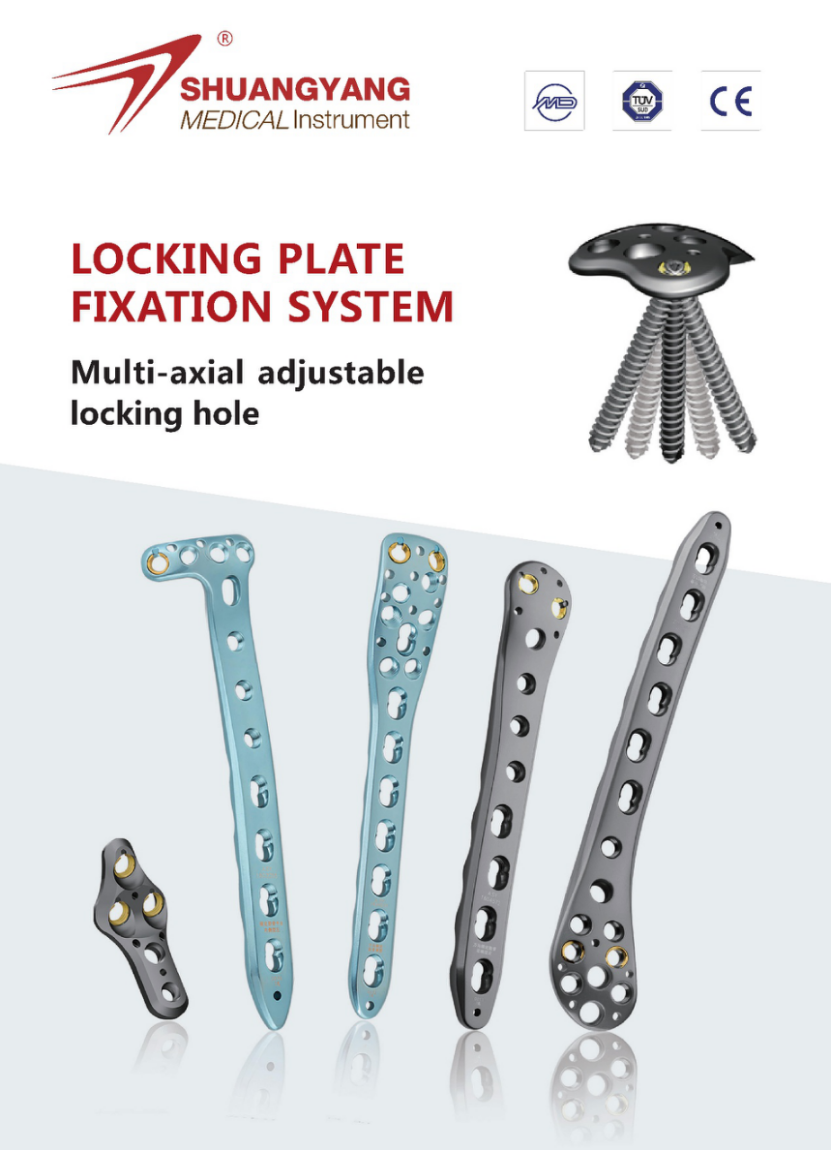
The Science Behind Anodization Color Formation in Medical-Grade Aluminum
Why anodization color consistency matters in orthopedic surgery tools
During complicated orthopedic surgeries, doctors depend heavily on what they see when working with tools. Keeping colors consistent across instruments helps avoid serious mistakes in operating rooms. According to research published last year in the European Journal of Orthopedic Surgery, around two thirds of surgical staff actually use color codes to tell different instruments apart. When colors vary too much, there's real danger of picking up the wrong tool in those clean operating environments, which can lead to wasted time or even using equipment meant for something else entirely. Regulations also push for standardized appearances. The FDA wants components to be identifiable visually for tracking purposes, while standards under ISO 13485 insist on repeatable surfaces for medical devices classified as Class II. These rules make sense from both safety and practical standpoints.
The electrochemical process: How color is formed during aluminum anodizing
Aluminum anodizing submerges medical tools in acidic electrolyte baths while applying electrical current, oxidizing the surface to form a porous aluminum oxide layer. Coloring occurs via two primary methods:
- Integral coloring, where organic acids in the electrolyte generate bronze or black shades during oxidation;
- Absorption dyeing, where pigments permeate the pores after oxidation.
The nanoporous structure naturally bonds with dyes, forming durable, non-chip color layers capable of withstanding repeated sterilization without delamination or fading.
Key variables influencing color: Alloy composition, oxide thickness, and sealing
Three interdependent factors govern color consistency in surgical tools:
| Factor | Impact | Control Parameter |
|---|---|---|
| Alloy composition | Affects base reflectivity and dye absorption kinetics | Standardize to 6061-T6 or 7000-series alloys; avoid 5% Cu/Si (e.g., 2024) |
| Oxide thickness | Directly determines hue depth, saturation, and light interference effects | Precisely control voltage (15–20 V) and time (30–45 min) |
| Sealing quality | Locks pigment in place and prevents hydrolytic degradation | Hot water or nickel acetate sealing–critical for autoclave resilience |
Hot sealing delivers optimal retention across 200+ autoclave cycles; incomplete sealing causes ~30% pigment loss (Journal of Biomaterials, 2022).
Material Selection and Surface Preparation for Uniform Anodized Finish
Choosing the right aluminum alloy for consistent anodization color
When it comes to picking the right alloy, there's a reason why certain metals stand out. Pure 1000 series aluminum gives pretty much the same results every time during anodizing, which makes it reliable for many applications. However, most orthopedic tool manufacturers still go with 6061-T6 because it strikes that sweet spot between being easy to machine, strong enough for the job, and producing consistent colors across batches. Now things get tricky with alloys that have more than 5% copper or silicon content like 2024 aluminum. These tend to form uneven oxide layers during processing since different metal components separate out during heating. The result? Unattractive bands or patches showing through the finish. And don't even think about skipping traceability documentation for any batch, especially when dealing with Class II medical devices. Every single piece needs proper certification to guarantee the material properties remain consistent throughout production runs.
Impact of surface finish and pre-treatment on anodized appearance
Surface preparation dictates final optical performance through three rigorously controlled stages:
- Degreasing: Removes residual machining oils that cause patchy dye uptake;
- Etching: Defines micro-roughness–smooth finishes yield high-luster results, while satin etching masks minor imperfections without sacrificing color fidelity;
- Desmutting: Eliminates smut particles from alloying elements (e.g., Cu, Si), preventing dark speckling.
Improper etching alone accounts for 37% of color deviation in medical-grade anodizing (Journal of Surface Engineering, 2022). Tight process tolerances–±2°C bath temperature and ±5% chemical concentration–are non-negotiable for regulatory-grade repeatability.
How machining and fabrication affect final color uniformity
Machining-induced surface variations directly translate into optical inconsistencies:
| Machining Factor | Color Impact | Mitigation Strategy |
|---|---|---|
| Tool marks | Directional light scattering ‒ inconsistent hue perception | Use vibration-damped finishing passes and consistent feed rates |
| Heat-affected zones | Local metallurgical change ‒ uneven oxide nucleation | Limit cutting speeds to <120 m/min and monitor thermal load |
| Deburring methods | Mechanical stress alters surface reactivity and pore geometry | Replace manual filing with electrochemical deburring |
Welded joints require post-fabrication heat treatment (200°C for 2 hours) to homogenize grain structure. Passivation within 4 hours of machining prevents native oxide formation that interferes with controlled anodization.
Precision Control of Anodizing Process Parameters for Color Matching
Voltage, temperature, and time: Critical factors for anodization color consistency
Oxide layer thickness–and thus color–is governed by Faraday’s law and governed by voltage, temperature, and time. For medical-grade anodizing, tight control is essential:
- Voltage: 12–18 V (±2 V tolerance); deviations alter pore diameter and growth rate;
- Electrolyte temperature: maintained within ±1°C to prevent kinetic variability;
- Time: calibrated to ±30 seconds–especially critical for thin, interference-based colors.
Even 5% parameter drift can produce detectable hue shifts. Automated bath monitoring reduces inter-batch variation by up to 80% versus manual processes (Surface and Coatings Technology, 2021).
Dyeing techniques for accurate color coding in medical device anodizing
When it comes to marking surgical tools, getting the right dye absorption is really important for two main reasons: precision matters a lot, and the materials need to work safely inside the body. For organic dyes to stick properly, they need special bath conditions around pH 4.5 to 5.5 at temperatures between 50 and 60 degrees Celsius. The time these tools spend soaking depends on how deep their pores are, usually taking about 10 to 20 minutes total. Another approach called electrolytic coloring works with substances like cobalt or tin salts. This method actually lasts longer without fading and doesn't let the color wash off during cleaning, which makes it especially good for instruments that go through autoclaving processes. Now there's this new technology using spectrophotometers that can monitor the dyeing process as it happens. This allows for much better control over how colors are absorbed, resulting in differences so small (less than 1 unit on the Delta E scale) that no one can see them with the naked eye.
Using limit samples and color standards to control tolerance in production
When physical limit samples are certified using Munsell or Pantone references under standard D65 lighting conditions, they give operators clear go/no-go decisions. Digital colorimeters measure those L*a*b* values against ISO 9001 traceable standards. At the same time, SPC charts track color trends so problems get spotted before they hit the ±0.5 NBS unit mark which is basically the point where colors start looking different to most people. Combine these two methods and manufacturers see around a 45 percent drop in waste materials across their regulated production lines. Some plants have even reported better results when combining traditional visual inspection with these modern measurement techniques.
Sealing and Durability: Maintaining Color Through Sterilization Cycles
Sealing methods to lock in color and prevent fading in surgical tools
Sealing permanently closes the porous oxide layer, preventing dye migration and environmental attack.
- Hot water sealing (90–100°C) forms hydrated alumina, irreversibly trapping pigment and delivering maximum colorfastness;
- Nickel acetate sealing enhances corrosion resistance–particularly important for instruments exposed to saline or bodily fluids;
- Cold sealing (fluoride-based) offers energy savings but demands strict pH and conductivity control to avoid inconsistent hydration.
Unsealed or poorly sealed anodized surfaces show measurable color shift after just 10 routine handling cycles and rapid degradation when exposed to disinfectants.
Hot vs. cold sealing: Trade-offs in color stability and corrosion resistance
| Method | Color Stability | Corrosion Resistance | Sterilization Suitability |
|---|---|---|---|
| Hot Sealing | Excellent | High | Ideal for reusable instruments (200+ autoclave cycles) |
| Cold Sealing | Moderate | Medium | Acceptable only for low-cycle or single-use devices |
Hot sealing retains 95% color integrity after 200+ autoclave cycles but consumes significantly more energy. Cold sealing reduces energy costs by ~40%, yet may exhibit perceptible fading after 50 cycles–making it unsuitable for core orthopedic instrumentation.
Ensuring anodized color retention under repeated autoclave sterilization
The autoclaving process exposes medical instruments to steam at around 121 degrees Celsius, which speeds up the breakdown of oxides that aren't properly sealed or only partially protected. Components with nickel seals tend to keep their color consistent even after going through over 300 cycles according to research published in Biomedical Materials last year. When it comes to validating Class II medical devices, manufacturers need to include accelerated aging tests that simulate what happens during five years worth of sterilizations every two weeks. And for those really important surgical tools where color stability matters most, combining hot sealing techniques with dyes that resist both UV light and heat can help prevent unwanted color changes caused by thermal stress during repeated sterilization processes.
Quality Assurance and Compliance with Medical Device Anodizing Standards
Meeting Industry Standards: MIL-PRF-8625 and AMS for Medical Aluminum Anodizing
Compliance with MIL-PRF-8625 (Type II/III) and AMS 2488 ensures medical-grade anodizing meets functional and aesthetic benchmarks. These specifications mandate:
- Minimum oxide thickness (e.g., 25 µm for Type III) to ensure consistent light refraction and dye capacity;
- Sealing validation via ASTM B136 (dye spot test) and ASTM D3933 (acid dissolution);
- Batch-to-batch color variation limits quantified using spectrophotometers (ΔE ≤ 1.5 under D65 illumination).
These are not optional benchmarks–they are FDA-recognized consensus standards referenced in 21 CFR Part 820 design controls.
Best Practices: Batch Processing and Single-Supplier Coordination for Consistency
Color consistency is a systems challenge–not a single-process fix. Proven best practices include:
- Material sourcing: Single-lot 6061-T6 procurement per production run to eliminate trace-element drift;
- Process synchronization: Anodizing batches within 4-hour windows to stabilize electrolyte chemistry and temperature;
- Supplier consolidation: One qualified surface treatment partner across all instrument families ensures unified calibration, documentation, and corrective action protocols.
Case Study: Resolving Color Variation in a Class II Orthopedic Instrument Line
A U.S.-based manufacturer reduced color deviation by 70% across its modular spinal instrument set through three targeted interventions:
- Real-time voltage monitoring with automated ±2 V tolerance alerts;
- Automated titration-controlled dye bath replenishment;
- AAMI/ISO-compliant visual inspection under D65 lighting, aligned with FDA 21 CFR Part 820 documentation requirements.
The result: full color coding fidelity across 15,000+ simulated autoclave cycles, zero field-reported misidentifications, and successful FDA audit clearance.
FAQ
Why is anodization color consistency important in orthopedic surgery tools?
Anodization color consistency is important in surgical tools because it helps healthcare professionals identify instruments quickly and accurately, preventing errors and ensuring efficient surgical procedures. Regulations also require standardized appearances for safety and tracking purposes.
What factors influence anodization color in aluminum medical tools?
The three main factors that influence anodization color consistency in medical tools are alloy composition, oxide layer thickness, and sealing quality.
How does aluminum anodizing affect color formation?
Aluminum anodizing involves submerging tools in acidic electrolyte baths and applying electrical current to form a porous aluminum oxide layer. Colors are formed through integral coloring during oxidation and absorption dyeing after oxidation.
What are the benefits of hot water sealing in anodizing?
Hot water sealing forms hydrated alumina that irreversibly traps pigments, delivering maximum colorfastness. It provides excellent color stability, high corrosion resistance, and is ideal for reusable instruments enduring multiple autoclave cycles.
How can anodized color retention be ensured during sterilization?
To ensure color retention, anodized surfaces must be properly sealed, and nickel seals are recommended for consistent color after numerous sterilization cycles. Additionally, hot sealing techniques and UV-resistant dyes help maintain color stability.
Table of Contents
- Material Selection and Surface Preparation for Uniform Anodized Finish
- Precision Control of Anodizing Process Parameters for Color Matching
- Sealing and Durability: Maintaining Color Through Sterilization Cycles
- Quality Assurance and Compliance with Medical Device Anodizing Standards
-
FAQ
- Why is anodization color consistency important in orthopedic surgery tools?
- What factors influence anodization color in aluminum medical tools?
- How does aluminum anodizing affect color formation?
- What are the benefits of hot water sealing in anodizing?
- How can anodized color retention be ensured during sterilization?