 EN
EN
 FR
FR
 ES
ES
 AR
AR

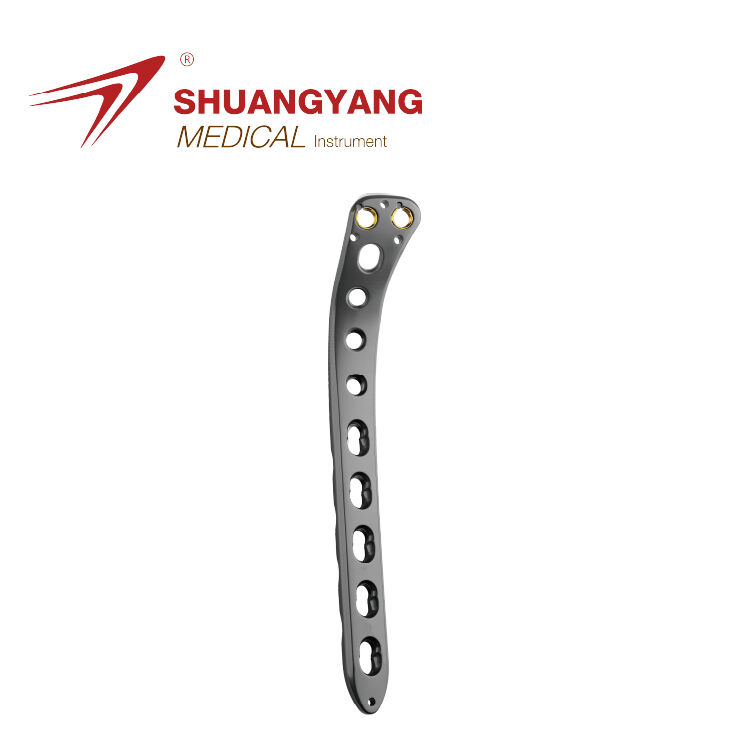
Thermal Behavior of Titanium Alloys During Common Sterilization Processes
Phase stability and microstrain accumulation in CP-Ti and Ti-6Al-4V under autoclave (134°C) vs. dry heat (160–180°C) conditions
Titanium alloys CP-Ti and Ti-6Al-4V react differently when subjected to sterilization processes for medical implants. When exposed to autoclaving at around 134 degrees Celsius, these materials maintain their alpha phase structure without much change to their crystal lattice. However things get interesting with dry heat sterilization between 160 and 180 degrees Celsius. The Ti-6Al-4V alloy starts forming beta phase nuclei which builds up microstrain over time, reaching approximately 0.18 percent after each sterilization cycle. Why does this happen? Well, titanium expands unevenly when heated. The expansion along the axis is actually about 15% greater than what happens radially in textured versions of the metal. For manufacturers and clinicians, repeated use of dry heat methods could lead to real problems like permanent shape changes, especially concerning those delicate thin walled implants or ones that need to support body weight.
Hydroxyapatite coating degradation risks during dry heat sterilization and implications for surface dimensional fidelity
When Hydroxyapatite or HA coatings get exposed to temperatures over 160 degrees Celsius, they start losing their hydroxyl groups pretty quickly, which really messes with how stable implants stay dimensionally. Looking at X-ray diffraction results, we see around 30 percent less crystallinity after just three dry heat cycles, and this leads to those tiny cracks forming between the coating and substrate. The surface gets rougher too, increasing Ra measurements by about 40 percent at that critical interface because the material is breaking down structurally as different phases form. Something else worth noting is that HA expands when heated at a rate of 11.5 micrometers per meter per degree Celsius, while titanium only expands at 8.6. This mismatch creates extra stress between layers whenever there's temperature change happening. And what happens? Well, tests show that each heat cycle causes about 2.7 milligrams per square centimeter of material loss, which adds up over time and actually changes dimensions on parts that need to bear weight. This kind of wear threatens both the mechanical connection between components and whether the implant will properly integrate with bone tissue in the long run.
How Sterilization Method Affects Linear and Micro-Dimensional Integrity
Comparative thermal expansion analysis: Autoclave steam vs. dry heat across titanium implant alloys
When it comes to sterilizing titanium implants, autoclaves using 134 degree Celsius steam actually put much less thermal stress on the material compared to traditional dry heat methods which typically run between 160 and 180 degrees. This matters a lot because it affects how the implant maintains its size and shape at both macro and microscopic levels. Most international regulations like the ISO 13485 standard demand that manufacturers check these critical dimensions after sterilization, looking for changes within plus or minus 0.005 millimeters. The numbers tell an interesting story too. Dry heat causes about 0.15 percent more expansion in Ti-6Al-4V alloy than what happens during autoclaving. Why? Because dry heat stays at those high temps longer without the stabilizing effect of moisture present in steam processes. These small differences in expansion rates matter quite a bit in real world applications.
- Micron-level deformations in screw threads and press-fit interfaces
- Cumulative microstrain in modular junctions after repeated cycles
- Gradual loss of interference fit, especially in multi-part systems
AFM and profilometry evidence: Grit-blasted surface topography drift (12% Ra increase) after repeated titanium implant sterilization
Studies using Atomic Force Microscopy (AFM) along with contact profilometry show that grit-blasted titanium surfaces degrade over time after being repeatedly sterilized. When subjected to dry heat cycles, the roughness average (Ra) goes up by more than 12% after just five cycles. While this is still under what ISO 13485 considers acceptable, it matters clinically. The tiny dimensional changes flatten those microscopic pores that help bones stick to implants. They also mess with surface energy levels needed for proteins to attach properly and speed up how fast the hydroxyapatite coatings come off. All these alterations affect how bone cells interact with the implant on a cellular level, even if everything looks fine when measured at larger scales.
Validating Dimensional Stability: Metrology Protocols for Titanium Implant Sterilization
ISO 13485–compliant CMM verification: Establishing ±0.005 mm tolerance thresholds for critical features post-titanium implant sterilizationWhen it comes to checking how sterilization affects titanium implants, Coordinate Measuring Machines (CMMs) are considered the best way to measure things accurately. These machines follow ISO 13485 standards and scan important parts like threads, mating surfaces, and bore diameters using super precise probes that can spot changes smaller than 0.005 mm. Regular calipers just don't cut it when looking at tiny details. CMMs catch those subtle problems with thermal expansion and microstructural changes that regular inspections miss, particularly after implants go through multiple dry heat cycles over 180°C. The process creates 3D maps before and after sterilization so manufacturers can check if surface roughness stays within a 5% range. This matters because even a 0.01 mm shift in dimensions can mess up how well the implant sticks to bone tissue. Best part? This method confirms compliance at the batch level without damaging the actual implants during testing.
FAQ
Why does dry heat sterilization affect Ti-6Al-4V alloy differently than CP-Ti?
The Ti-6Al-4V alloy begins forming beta phase nuclei under dry heat, causing microstrain accumulation, unlike CP-Ti which maintains its alpha phase structure in similar conditions.
What are the risks of hydroxyapatite coating degradation during dry heat sterilization?
Hydroxyapatite coatings can lose hydroxyl groups and reduce crystallinity, leading to surface roughness and material loss which can affect implant stability and integration.
How do autoclave and dry heat sterilization compare in affecting titanium implants?
Autoclave steam at 134°C exerts less thermal stress compared to dry heat at 160-180°C, leading to less material expansion and better dimensional stability.
What is the role of Coordinate Measuring Machines in titanium implant sterilization?
CMMs offer precise measurements according to ISO 13485 standards, identifying minute dimensional changes post-sterilization that regular calipers might miss.
Table of Contents
- Thermal Behavior of Titanium Alloys During Common Sterilization Processes
- How Sterilization Method Affects Linear and Micro-Dimensional Integrity
- Validating Dimensional Stability: Metrology Protocols for Titanium Implant Sterilization
-
FAQ
- Why does dry heat sterilization affect Ti-6Al-4V alloy differently than CP-Ti?
- What are the risks of hydroxyapatite coating degradation during dry heat sterilization?
- How do autoclave and dry heat sterilization compare in affecting titanium implants?
- What is the role of Coordinate Measuring Machines in titanium implant sterilization?