 EN
EN
 FR
FR
 ES
ES
 AR
AR

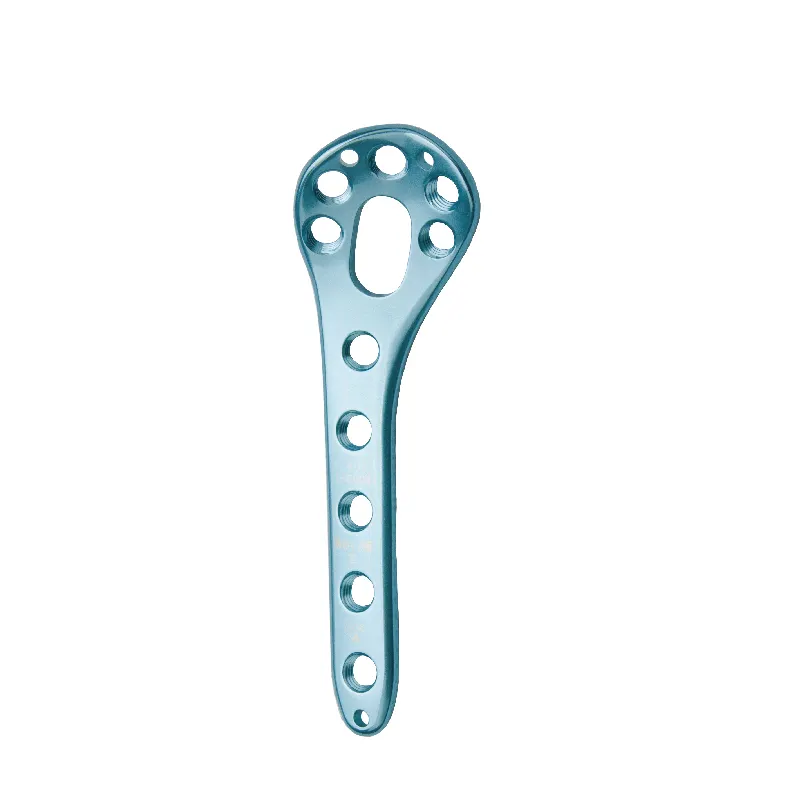
Material-Specific Laser Marking for Optimal Durability
Laser Annealing vs. Etching on Titanium and Stainless Steel
Laser annealing produces long lasting, high contrast markings on medical grade titanium and stainless steel by creating a permanent oxide layer beneath the surface without actually removing any material. Unlike other methods, this approach doesn't damage the metal's ability to resist corrosion or compromise its structural strength. That makes it particularly important for thin section implants such as clavicle locking plates. Traditional laser etching can cause problems here because it removes material from the surface, which might lead to tiny cracks forming over time and reduce fatigue strength by around 15%. When working with titanium alloys, using 1064 nm fiber lasers gives nice dark marks that hold up during sterilization processes. For ASTM F138 stainless steel, keeping the laser power below 20 watts ensures that at least 99 percent of the original tensile and yield strength remains intact after treatment.
Preserving Mechanical Integrity While Achieving High-Contrast Marks
Optimizing laser parameters is essential to balance visibility with functional performance. Excessive energy can alter grain structure in stainless steel or induce thermal brittleness in titanium—both compromising long-term implant reliability. Validated annealing protocols ensure marks withstand:
- Abrasion: No degradation from repeated contact with surgical instruments
- Corrosion: No pitting or ion release beyond FDA thresholds (≈50 µg/cm²) after 12-month immersion in simulated body fluid (SBF), per ASTM F86 and ISO 10993
- Sterilization: Full legibility retained after 50+ autoclave cycles at 134°C
This non-destructive approach meets FDA 21 CFR Part 801 requirements for permanent, machine- and human-readable implant identification.
Sterilization Resistance: Validating Laser Marking Durability Under Real-World Conditions
Performance After Repeated Autoclave and Ethylene Oxide Cycles
The laser markings applied to clavicle locking plates need to survive the intense heat and chemicals used in hospital sterilization processes. To make sure they hold up, manufacturers subject them to hundreds of autoclave runs at around 134 degrees Celsius plus ethylene oxide treatment at 55C with 60% humidity levels. These extreme conditions put the mark's stickiness, color consistency, and ability to resist turning black or peeling to the test. When metal gets annealed, it creates a protective oxide layer underneath the surface that stops the marking from coming off when exposed to sudden temperature changes. Recent research published in 2023 showed something impressive: titanium parts treated this way kept almost all their original contrast (about 99.2%) even after going through fifty autoclave cycles. That kind of durability goes way beyond what regulations actually require, giving manufacturers peace of mind about long term performance.
Corrosion Testing in Simulated Body Fluids Post-Sterilization
Following sterilization, plates undergo accelerated corrosion testing in saline-based SBF per ASTM F86 and ISO 10993. Evaluation focuses on three critical outcomes:
- Pitting resistance: No localized corrosion initiation at mark boundaries
- Ion release stability: Measured metal ion leaching remains below 50 µg/cm²—the FDA’s safety threshold for chronic implant exposure
- Contrast retention: ≥90% grayscale differential preserved after 30-day immersion
These results validate that optimized laser annealing—not etching—ensures durable, biocompatible identification throughout the device’s full lifecycle.
Regulatory Alignment: UDI Compliance and Long-Term Traceability Requirements
Meeting FDA 21 CFR Part 801 and EU MDR Annex I for Permanent Implant Identification
Regulations demand permanent, identifiable markings on long-term orthopedic implants that last a lifetime. Both FDA 21 CFR Part 801 and the EU Medical Device Regulation Annex I specify that Unique Device Identification (UDI) markings need to stay readable and scannable even after many years inside the body, through countless sterilizations, and under physical strain from daily use. For compliance purposes, laser etched marks should maintain at least 20% contrast difference in grayscale so machines can read them clearly and humans can interpret them without confusion this is especially important when there are safety warnings or recalls needed. Manufacturers run accelerated aging tests that mimic around 15 to 25 years worth of real-world conditions inside the human body to check if these UDI codes will still work properly according to ISO 13485 standards for quality systems. The improved traceability offered by these regulations cuts down the risk of counterfeit products by approximately 74% when compared against older methods like ink printing or mechanical stamping techniques.
Key Compliance Highlights
- Lifetime Durability: Marks validated for ≥25 years of continuous bodily exposure
- Sterilization Resistance: Confirmed against 100+ autoclave cycles (121°C) and EtO treatments
- Contrast & Legibility: ≥0.5 mm character height with high-contrast retention post-implantation
- Global Harmonization: Designed to satisfy concurrent FDA UDI and EU MDR Annex VI traceability mandates
Process Validation and Quality Control for Consistent Laser Marking Durability
Thorough validation of the process is what keeps laser markings durable throughout different production batches. The IQ/OQ/PQ approach checks everything from how equipment gets installed to what happens when it runs, making sure we get those corrosion resistant marks on both titanium and stainless steel parts every time. When we reach the PQ stage, we put sample pieces through their paces with accelerated aging tests, multiple rounds of autoclaving, and even soak them in simulated body fluid solutions. These tests basically recreate what happens in actual medical settings so we can see if the identification numbers stay clear and readable after all that punishment. It's not just about meeting standards but ensuring these markings won't fade or wear off during critical procedures where traceability matters most.
The quality control process relies on automated vision inspection systems to measure important factors like mark depth at least 20 micrometers deep, contrast ratios over 70% grayscale difference, and how well defined the edges are in each production batch. Statistical controls keep track of pulse frequencies between 50 to 100 kilohertz and spot sizes ranging from 30 to 50 micrometers. When measurements drift more than plus or minus 5%, the system automatically adjusts itself back on track. Detailed records are kept for everything from parameter changes to specific material lots used and all inspection results, meeting both FDA 21 CFR Part 820 requirements for change control and ISO 13485 standards for documentation. This entire feedback loop ensures better than 99.5% readability after sterilization, which is absolutely critical when trying to avoid mixing up devices during emergency trauma situations where seconds count.
FAQ Section
What are the benefits of laser annealing for medical implants?
Laser annealing provides high-contrast, long-lasting markings on medical-grade metals without removing material, thereby retaining corrosion resistance and structural integrity, crucial for implants like clavicle locking plates.
How does laser annealing ensure sterility and identification compliance?
Laser annealing methods withstand high temperatures and chemicals used during sterilization, maintaining mark durability and compliance with regulatory standards like FDA 21 CFR Part 801.
How does laser marking compare with traditional etching?
Unlike traditional etching, which can weaken metal by removing surface material, laser annealing forms a protective oxide layer that maintains structural strength and reduces the risk of cracks.
What are the key regulatory requirements for laser marking on implants?
The markings must be permanent, identifiable, and comply with FDA and EU standards, including maintaining readability and contrast over the implant's lifetime.
Table of Contents
- Material-Specific Laser Marking for Optimal Durability
- Sterilization Resistance: Validating Laser Marking Durability Under Real-World Conditions
- Regulatory Alignment: UDI Compliance and Long-Term Traceability Requirements
- Process Validation and Quality Control for Consistent Laser Marking Durability
- FAQ Section