 EN
EN
 FR
FR
 ES
ES
 AR
AR

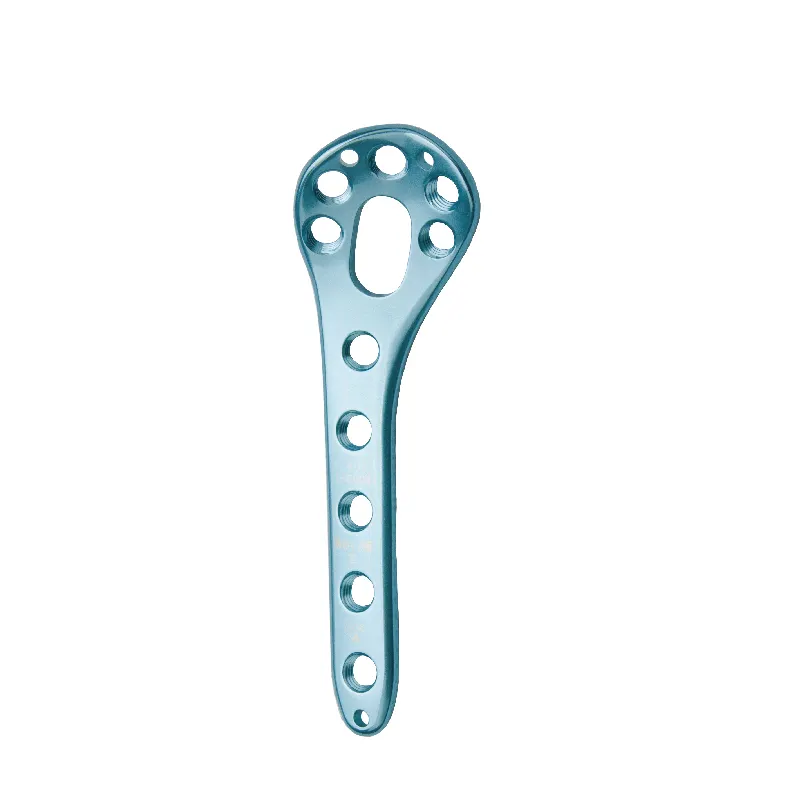
Concentrated Global Production: The Core of Orthopedic Implant Supply Chain Risk
Orthopedic implant makers face a serious problem because most of the world's ASTM F136 compliant titanium sponge comes from just a few places. This titanium sponge is basically what makes biocompatible implants possible for things like hip replacements and spinal hardware. When production gets disrupted in these key regions, it doesn't just affect local markets but causes worldwide shortages that put patients at risk. Manufacturers who rely heavily on these limited sources find themselves struggling with production delays, procurement challenges, and meeting regulatory requirements when supply issues arise unexpectedly.
Russia's Dominance in ASTM F136-Compliant Titanium Sponge (35% Global Share)
Russia holds around 35 percent of the world's supply of titanium sponge that meets ASTM F136 standards, mainly thanks to VSMPO-AVISMA's unique chloride processing method that most other companies struggle to match. When export restrictions hit in late 2022 and continued through 2023, prices jumped by nearly half while getting enough material became a real headache for producers. Things get even trickier since the same facilities that make high strength titanium for aircraft parts also produce the grade used in hip replacements and similar implants. The problem is compounded by the fact that there aren't many alternative suppliers who can meet those strict ASTM requirements, especially regarding oxygen-free processing needed to avoid reactions in patients' bodies. As long as this situation persists, orthopedic device makers will keep facing risks from political tensions and unexpected disruptions in their supply chains.
Limited Refining Capacity: Only 7 ASTM-Certified Titanium Sponge Producers Worldwide
| Production Limitation | Impact on Orthopedic Implants |
|---|---|
| 7 certified global facilities | Single-factory downtime can reduce supply by 14% |
| 2-year certification cycle | Prevents rapid capacity expansion during shortages |
| High-purity requirements | Eliminates 89% of industrial titanium suppliers |
Worldwide capacity for titanium sponge used in medical implants remains limited to only seven facilities certified by ASTM standards. The reason? Implantable alloys require extremely strict purification protocols since even minor contamination can lead to device rejection or serious tissue reactions after surgery. Getting qualified takes time too – each plant must go through around 18 months of paperwork, audits checking where materials come from, plus chemical tests on every batch they produce. Starting a new operation isn't feasible for most companies either, given the massive upfront investment required – somewhere north of half a billion dollars according to recent industry reports. Meanwhile established manufacturers tend to focus their limited resources on aerospace orders when there's a shortage, leaving orthopedic companies scrambling when demand spikes unexpectedly. This creates real headaches for hospitals trying to maintain consistent supplies of critical implant components, making titanium availability one of the biggest concerns facing procurement managers these days.
Regulatory and Technical Constraints Amplifying Orthopedic Implant Supply Chain Risk
The Narrow Process Window: From ASTM F136 Sponge to Forged Billet for Implants
Making implant grade billet from titanium sponge needs incredible attention to detail. Medical grade titanium that meets ASTM F136 standards has to come from trackable sources, contain very low levels of interstitial elements (oxygen below 0.13% is standard), and go through vacuum arc remelting at just the right parameters. Even small variations matter a lot here. If the aluminum to vanadium ratio goes over 0.01%, it messes up both how strong the material is and whether it works safely inside the body, which means whole production runs get thrown out. There are only around seven companies worldwide that can actually produce this stuff to spec. Because the manufacturing tolerances are so tight, suppliers have no real alternatives when there's a shortage. Manufacturers end up stuck with whatever options these few producers offer, without much room to maneuver when supply chains tighten up.
Certification Lag: 12–18-Month Lead Times for New Supplier Qualification in FDA-Regulated Manufacturing
Switching titanium sources triggers exhaustive FDA re-validation spanning mechanical testing, biocompatibility trials, and manufacturing audits. Each new supplier introduction requires:
- 6 months for ISO 13485 facility audits
- 90-day implant fatigue testing per ASTM F1800
- 120-day biocompatibility studies per ISO 10993-1
These sequential phases create a 12–18-month approval bottleneck—effectively preventing rapid pivots during geopolitical disruptions. As a result, companies must treat supplier qualification not as an operational task, but as a strategic resilience investment.
Geopolitical Shocks and Market Volatility in Titanium Raw Materials
2022–2023 Sanctions Impact: Major Supplier Output Decline and 42% YoY Price Surge
When sanctions hit Russia, which supplies around 35 percent of the titanium sponge meeting ASTM F136 standards, prices jumped by nearly 42% compared to 2022. This happened mainly because production dropped at VSMPO-AVISMA and there just wasn't enough refining capacity worldwide. Titanium makes up most of what goes into those hip and knee replacements, sometimes as much as 80% of the total weight. So when prices go wild like that, manufacturers struggle to keep making implants without passing on huge costs to hospitals and patients. What we saw here shows exactly why relying so heavily on one source creates problems whenever politics gets messy. That's why many in the industry are pushing harder for alternative sources of titanium raw materials these days, looking to protect against similar shocks down the road while keeping medical supply chains stable.
Proven Mitigation Strategies for Orthopedic Implant Supply Chain Risk
Dual-Sourcing and Regional Forging Partnerships
Big name manufacturers tackle the problem of getting hold of titanium raw materials by setting up forging operations in multiple regions around the world. This strategy helps them avoid putting all their eggs in one basket when it comes to suppliers. They look for companies that meet ASTM F136 standards for processing titanium sponge throughout different continents. Take the partnership between American refineries and Japanese forging plants as just one case study. These collaborations set up alternative routes for getting materials, which can slash waiting periods by about a third when there are political issues disrupting normal supplies. The need for this kind of backup became really clear after the Ponemon Institute released their findings last year showing how much money medical device companies lose each time their supply chains break down – somewhere around seven hundred and forty thousand dollars per incident according to their report.
Strategic Stockpiling of Pre-Certified Materials
Keeping around 6 to 9 months worth of ASTM F136 billets plus those pre-approved alloys such as Ti-6Al-4V ELI acts as a buffer when dealing with delays in certifications and unpredictable price changes. The FDA approval process for new suppliers typically takes anywhere between 12 and 18 months, so having these stocks on hand helps keep production going even when markets hit rough patches. Looking back at what happened since early 2022, businesses that had built up these reserves were able to continue making implants even after titanium prices jumped by about 42%. This shows just how important it is to plan ahead with inventory rather than waiting until problems arise. Good inventory management turns supply chain risk handling into something much more robust instead of just responding to crises as they happen.
FAQ
How does geopolitical tension affect the supply chain for orthopedic implants?
Geopolitical tension, like sanctions on major suppliers such as Russia, can significantly impact the production and pricing of ASTM F136 titanium sponge, essential for making orthopedic implants. This often leads to shortages and price surges, affecting global supply chains and patient care.
Why are there so few suppliers of ASTM F136 compliant titanium sponge?
ASTM F136 titanium sponge requires extremely stringent purification protocols and certifications, making it difficult for many companies to produce. This results in a limited number of certified producers worldwide.
What are some strategies to mitigate supply chain risks in the orthopedic implant industry?
Manufacturers can mitigate risks by establishing dual-sourcing and regional partnerships for forging operations, and by strategically stockpiling pre-certified materials to buffer against supply chain disruptions and price fluctuations.
Table of Contents
- Concentrated Global Production: The Core of Orthopedic Implant Supply Chain Risk
- Regulatory and Technical Constraints Amplifying Orthopedic Implant Supply Chain Risk
- Geopolitical Shocks and Market Volatility in Titanium Raw Materials
- Proven Mitigation Strategies for Orthopedic Implant Supply Chain Risk
- FAQ