 EN
EN
 FR
FR
 ES
ES
 AR
AR

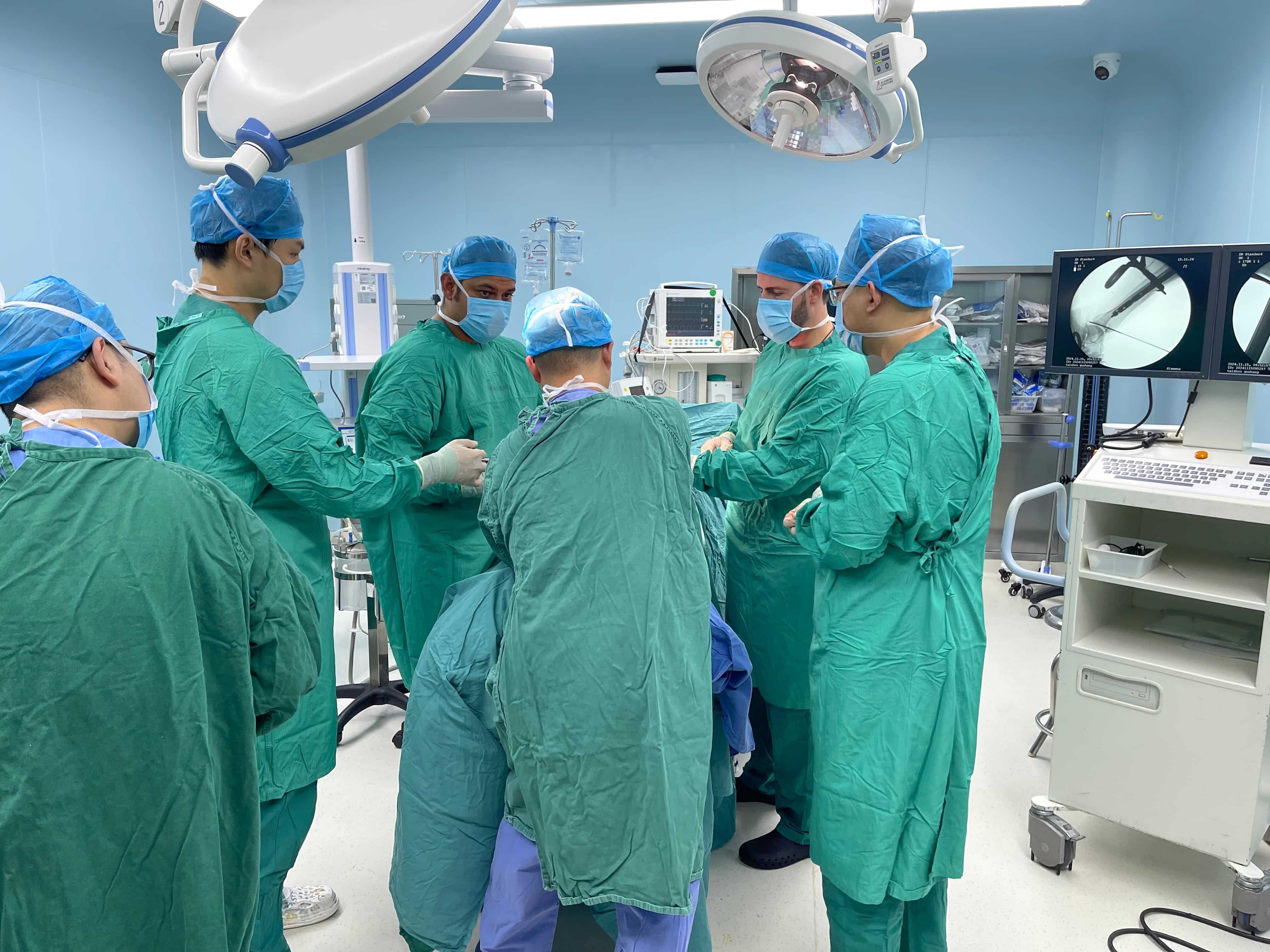
Why a 10^-6 Sterility Assurance Level Is Mandatory for Spinal Implants
The Sterility Assurance Level, or SAL, basically tells us how likely it is that any living microbes will survive after sterilization. When we're talking about spinal implants specifically, there's absolutely no room for compromise here. The standard requirement is SAL 10^-6, which means there should be less than one chance in a million that something gets through. Why such strict standards? Because these devices actually come into contact with brain and spinal tissues plus major blood vessels. Even if just one tiny bug manages to survive, patients face serious consequences like paralysis, blood poisoning, or worse. Spinal implants sit deep inside the body where our immune system can't really reach them, making them prime targets for bacteria to form those stubborn biofilms, especially around rough or porous surfaces. According to a recent study in the Journal of Neurosurgery back in 2025, fixing problems caused by infected spinal implants costs hospitals roughly $740k per surgery on average. That's why organizations like the FDA insist on this ultra-low SAL standard. Lower levels like 10^-3 might work fine for things that don't go inside people, but when dealing with spinal hardware, anything less would put patients at unacceptable risk. Meeting this benchmark proves that sterilization methods can handle all sorts of biological challenges and still work effectively with today's complex implant materials.
Validated Sterilization Methods for Sterility Assurance Level Spinal Implants
Steam Sterilization: When It's Suitable and Where It Falls Short
Autoclaving, or steam sterilization, works by exposing items to steam at around 121 to 134 degrees Celsius under pressure, killing microbes quickly. For stainless steel spinal tools, this method still makes sense because it's fast, dependable, and doesn't cost much. But there's a catch when dealing with actual spinal implants. Most can't handle the heat, especially if they contain plastic or composite parts that start breaking down once temperatures go over 110 degrees. Research indicates about one in four thermoplastic pieces gets warped during regular autoclave cycles. This damage affects how strong and stable these components remain, making it hard to meet the strict 10^-6 sterility assurance level standards without sacrificing something important in the process.
Low-Temperature Alternatives: Hydrogen Peroxide Plasma vs. Ethylene Oxide Trade-offs
The hydrogen peroxide plasma method works around 45 to 50 degrees Celsius, which makes it particularly good for those polymer-based spinal implants that can't handle higher temperatures. This process reaches that 10^-6 Sterility Assurance Level without leaving behind any harmful stuff, and most cycles take about 75 minutes from start to finish. On the other side of things, ethylene oxide or EtO as it's commonly called gets deep into complicated shapes and structures, something that's really important for certain implant designs. But there's a catch - these EtO cycles run anywhere between 12 to 15 hours long, plus they need extra time after processing to get rid of those cancer-causing leftovers. Both approaches technically hit the necessary safety standards, but regulations are getting tighter on EtO operations, especially regarding emissions under EPA rules. As a result, more than half the medical device sterilization centers have started shifting their focus toward hydrogen peroxide plasma technology for spinal devices lately.
Gamma Irradiation: Dose Control, Bioburden Monitoring, and ISO 11137-1 Compliance
Gamma irradiation works by bombarding products with cobalt-60 isotopes that break apart microbial DNA, achieving that all-important 10^-6 sterility assurance level. Getting the radiation dose right matters a lot. Most facilities stick to doses between 25 and 40 kilograys, but go beyond that range and titanium spinal implants can lose up to 18% of their strength. Hospitals need to keep track of how many microbes are present before treatment through regular bioburden checks. They also run quarterly tests to make sure the radiation spreads evenly throughout batches of medical devices. Meeting ISO 11137-1 standards means running those tests regularly with special biological indicators and keeping detailed records showing everything was properly sterilized. While gamma rays let manufacturers sterilize items inside sealed packaging without opening them, setting up the necessary equipment costs around 30% more than some lower-temperature methods. Many smaller companies find this price tag difficult to justify despite the benefits.
Sterilization Validation and Documentation to Sustain SAL Compliance
Achieving and maintaining a 10^-6 Sterility Assurance Level for spinal implants demands rigorous process validation and continuous documentation throughout the device lifecycle—ensuring traceability, reproducibility, and regulatory conformity.
Process Validation per ISO 11135/11137 and FDA 21 CFR Part 820
Initial validation must confirm sterilization effectiveness under worst-case conditions—including maximum bioburden, minimum sterilant concentration, and suboptimal temperature or exposure time. Manufacturers are required to:
- Map physical parameters (e.g., temperature, pressure, gas distribution, or radiation dose) across all load configurations;
- Validate microbial kill kinetics using standardized biological indicators;
- Document equivalency for any subsequent changes to equipment, load patterns, or packaging. Compliance hinges on strict adherence to ISO 11135 (for EtO), ISO 11137 (for radiation), and FDA 21 CFR Part 820 quality system regulations. No sterilization cycle may be released for clinical use until reproducible 10^-6 SAL attainment is empirically demonstrated.
Ongoing Verification: Routine Bioburden Testing and SAL Reassessment
Post-validation, continuous verification prevents drift from target SAL through proactive monitoring:
- Quarterly bioburden testing of raw materials, cleanroom environments, and pre-sterilization device lots;
- Immediate investigation and corrective action following any sterility test failure;
- Annual dose audits for gamma-sterilized devices to confirm ongoing radiation efficacy. Revalidation is required every 24 months—or immediately after any significant process, material, or facility change—to account for evolving microbial resistance profiles and ensure sustained compliance with the 10^-6 SAL standard.
FAQ Section
What is Sterility Assurance Level (SAL)?
SAL determines the probability of a living microorganisms surviving the sterilization process. The standard SAL for spinal implants is 10^-6, signifying less than one in a million chance of survival post-sterilization.
Why is a 10^-6 SAL crucial for spinal implants?
Spinal implants are in contact with critical body areas, like brain and spinal tissues. Any surviving microorganism can lead to severe consequences, hence the necessity for an ultra-low SAL.
What are validated sterilization methods for spinal implants?
Validated sterilization methods include steam sterilization, hydrogen peroxide plasma, ethylene oxide, and gamma irradiation. Each has unique applications and effectiveness concerning the materials used in spinal implants.
Why is documentation important in maintaining SAL compliance?
Documentation ensures traceability and consistent regulatory conformity, which is crucial in proving the efficacy of sterilization processes for spinal implants.