 EN
EN
 FR
FR
 ES
ES
 AR
AR

Understanding Demand Forecasting in Orthopedic Trauma Devices
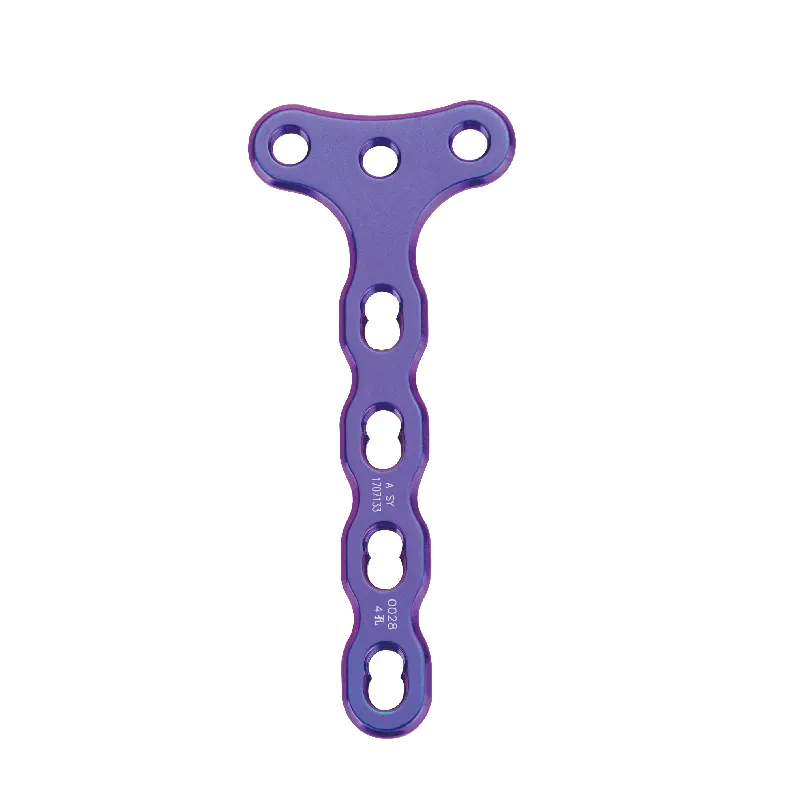
The Role of Clavicle Fracture Plates in Trauma Care
About 2.6 to 5 percent of all adult bone breaks each year happen in the collarbone area according to recent studies from the Journal of Orthopaedic Trauma. When these fractures occur, getting proper alignment is really important for good healing. Metal plates offer something slings just can't match they give instant support so patients can start moving sooner and lower chances of bones not joining properly. The way these plates have changed over time tells a story of progress in material science too. We've moved away from those big, uncomfortable implants to sleeker ones shaped specifically for the body's contours. Most emergency rooms rely heavily on these devices when dealing with serious accidents involving falls, sports injuries, or car crashes. Quick surgery makes a huge difference here research shows around 40% better results in how well people recover after treatment, as noted in Clinical Orthopaedics and Related Research last year.
Why Accurate Demand Forecasting Matters for Medical Suppliers
When inventory doesn't match actual needs, patient care suffers big time. Too much stock means money gets stuck in devices that barely get used before they expire. On the flip side, running out of essential items can hold up surgeries that literally change lives. Looking at trauma data shows clear seasonal patterns. Winter months bring about 22 percent more sports related injuries in mountain areas according to the National Trauma Registry numbers. Suppliers trying to predict what hospitals need next have their work cut out for them. They must connect local injury stats with how many procedures different hospitals actually perform each month. One major hospital group across Europe cut down on empty shelves by nearly two thirds once they started using smart data tools for implant management. This helped them allocate resources better and saved around seven hundred forty thousand dollars every year from wasted materials as reported by Ponemon Institute back in 2023.
Key Factors Influencing Demand for Clavicle Fracture Plates
Incidence Rates of Clavicle Fractures by Region and Demographic
Around 2.6% of all broken bones worldwide are clavicle fractures, though these numbers vary quite a bit depending on where people live and who they are. The biggest group getting these breaks tends to be young folks aged 15 to 30, mostly because of sports mishaps and random accidents. Older people have their own set of problems too, mainly falling down when their bones aren't as strong anymore. Cities with lots of cars and traffic see about 23% more collarbone breaks compared to countryside areas, which means hospitals need to stock up differently based on location. Weather matters too. Doctors notice that slips and falls causing broken collarbones go up by roughly 18% during winter time in places with four seasons, making it another factor to consider for medical supplies planning.
Surgical Trends and Adoption of Plate Fixation Techniques
Most doctors opt for plate fixation when dealing with clavicle fractures these days, especially for those displaced midshaft breaks where it works better than other methods in around 68% of cases. The numbers tell a story too – minimally invasive approaches with those pre-shaped plates have really taken off, growing by about 40% since 2020 and cutting down complications to below 7%. But there's quite a gap between different medical facilities. Big trauma centers at level I status typically go for plating in roughly 8 out of 10 suitable situations, while smaller community hospitals only do it about half the time. New tech is slowly coming on board too, like those custom made 3D printed plates that fit each patient perfectly. They're becoming more popular but still account for less than one in seven procedures overall.
Impact of Healthcare Infrastructure and Reimbursement Policies
Demand correlates directly with surgical infrastructure density—countries with 30 trauma centers per million people show 2.3× higher plate utilization. Reimbursement structures critically influence adoption:
| Policy Factor | Demand Impact | Example |
|---|---|---|
| Full implant coverage | +45% uptake | Germany’s DRG system |
| Patient co-pay requirements | -32% uptake | US high-deductible plans |
| Expedited approval pathways | +28% growth | EU MDR transitional measures |
Regions without dedicated trauma funding report 37% longer inventory turnover cycles—increasing vulnerability to stockouts during demand surges.
Data-Driven Methods for Forecasting Clavicle Plate Demand
Historical Sales Analysis and Seasonal Trends
Looking at past sales numbers is still pretty much the base for any good forecast. When suppliers match several years worth of sales against those familiar seasonal trends we all know about - like more collarbone breaks happening in winter because of icy roads or during summer when people get back into sports activities - they start seeing these regular patterns in demand. According to trauma center reports from last year (Orthopedic Trauma Association stats point to around 15-20% spikes), there's definitely something going on with upper arm fractures rising during those transition periods between seasons. That makes historical analysis absolutely key for getting inventory right. Nobody wants to end up stuck with mountains of stock or face empty shelves when customers need products most.
Leveraging Clinical Databases and Procedure Volumes
Clinical registries along with anonymized records from hospital procedures actually provide pretty accurate indicators of demand trends. When hospitals link their trauma data models with what's happening in operating rooms right now, they see about a 30 percent boost in forecasting accuracy according to research from the Healthcare Analytics Institute last year. For suppliers who want to stay ahead of the curve, looking at data across different institutions helps them spot how quickly certain procedures like plate fixation are catching on in specific regions. This means companies can adjust manufacturing schedules, stock levels, and delivery routes based on what surgeons are actually doing instead of guessing what might happen next.
Challenges and Risk Mitigation in Orthopedic Inventory Planning
Managing Supply Chain Volatility and Lead Times
The supply chain for clavicle plates often runs into all sorts of problems these days. We're talking everything from running out of raw materials to shipping holdups caused by things like hurricanes or international conflicts. These kinds of issues tend to push back delivery times anywhere between 30% and 50%, which creates serious headaches for hospitals treating trauma patients. To deal with this mess, smart companies are starting to source parts from multiple suppliers at once. They also keep tabs on shipments as they move through the system in real time. Another trick that works well is adjusting how much inventory they keep around based on local accident trends. This matters a lot during winter months when ski injuries spike across mountain regions.
Avoiding Overstock and Stockouts in Low-Volume Trauma Devices
Balancing inventory for clavicle fracture plates demands surgical precision: overstocking wastes $740k annually in storage, obsolescence, and expiry costs (Orthopedic Logistics Review, 2023), while stockouts delay time-sensitive, life-changing surgeries. High-performing inventory strategies combine:
- Predictive analytics for surgical implants—grounded in hospital procedure volume trends
- Dynamic reordering algorithms calibrated to seasonal fracture patterns
- Consignment stock agreements with high-volume trauma centers
Regular audits of shelf-life, usage velocity, and expiration dates prevent capital lock-up in slow-moving inventory—while sustaining 98% fulfillment rates for emergency cases.
FAQ
What are clavicle fracture plates, and why are they important?
Clavicle fracture plates are metal implants used to stabilize broken collarbones, providing immediate support to facilitate proper healing and quicker patient mobility. They are vital in treating fractures as they help in reducing nonunion rates compared to non-surgical options like slings.
How does demand forecasting impact medical suppliers for clavicle fracture plates?
Accurate demand forecasting ensures that suppliers align their inventory with hospital needs, preventing overstock or stockouts. This is crucial as excess inventory ties up resources, while shortages can delay surgeries, impacting patient outcomes.
Why do clavicle fractures show seasonal variation?
Clavicle fractures, like many injuries, are subject to seasonal trends due to factors like slipperier conditions in winter causing falls or increased outdoor sports activities in warmer months leading to more accidents.
What role does healthcare infrastructure play in the adoption of clavicle plates?
Countries with robust surgical infrastructures, boasting many trauma centers, tend to have higher usage rates of clavicle plates. Reimbursement policies also significantly affect their adoption.
How can medical suppliers mitigate risks associated with supply chain volatility?
Suppliers can mitigate risks by diversifying their sourcing strategies, monitoring shipments in real-time, and adjusting inventory based on local accident trends to ensure timely delivery and availability.
Table of Contents
- Understanding Demand Forecasting in Orthopedic Trauma Devices
- Key Factors Influencing Demand for Clavicle Fracture Plates
- Data-Driven Methods for Forecasting Clavicle Plate Demand
- Challenges and Risk Mitigation in Orthopedic Inventory Planning
-
FAQ
- What are clavicle fracture plates, and why are they important?
- How does demand forecasting impact medical suppliers for clavicle fracture plates?
- Why do clavicle fractures show seasonal variation?
- What role does healthcare infrastructure play in the adoption of clavicle plates?
- How can medical suppliers mitigate risks associated with supply chain volatility?