 EN
EN
 FR
FR
 ES
ES
 AR
AR

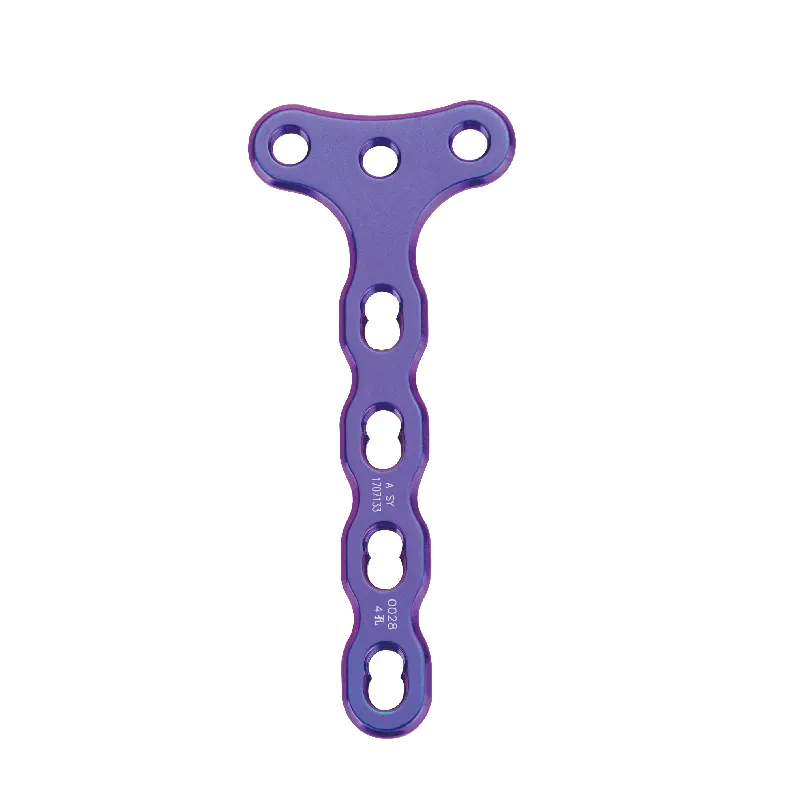
Regulatory Hurdles: Navigating FDA, MDR, and Clinical Validation
Lengthy approval timelines and divergent requirements across U.S. (FDA) and EU (MDR)
The orthopedic implant manufacturing sector is currently stuck in a lengthy regulatory process that takes anywhere from 18 to 24 months as companies try to meet both US and European regulations. Getting through the FDA approval process for high risk devices typically takes around 10 to 12 months via the PMA route. Things get even trickier in Europe where MDR conformity assessments are now taking over 18 months mainly because there aren't enough Notified Bodies available and they're being much more thorough with their reviews, especially under Annex XIV requirements. Trying to coordinate submissions across these different systems requires significant resources from multiple departments within companies. Industry insiders estimate that adapting documents alone costs manufacturers approximately $740,000 on average. Most of this money goes toward making sure clinical evaluation reports match up with both MDR Annex II standards and the latest FDA guidance from 2023 regarding how to compare new devices with existing ones on the market.
Clinical evidence demands: From IDE trials to real-world evidence for post-market clearance
The process of validating medical devices has expanded throughout every stage from initial design all the way through market availability. The Food and Drug Administration demands these expensive IDE trials that typically range between half a million dollars to two million bucks upfront costs alone. Meanwhile under MDR regulations companies face ongoing requirements after products reach shelves too. They need to keep track of how their devices perform in real world settings through PMCF programs, updating those clinical evaluations yearly according to what's specified in Annex II documentation. Real world evidence plays a bigger role than ever before. After getting approval, manufacturers have to show they can maintain at least forty percent of patients enrolled for twenty four months straight. Plus the FDA wants detailed comparisons showing how new devices stack up against older ones already on the market. These growing demands create particular challenges when dealing with innovative materials or 3D printed implants since standard methods for proving similarity just don't work here. Startups entering this space should budget around thirty percent of their entire development budget for clinical activities right from day one. And there's another hurdle too surgeons tend to stick with brands they know well because those companies usually have decades worth of clinical data backing them up plus access to comprehensive outcome tracking systems that newer competitors simply lack.
Capital Intensity: Upfront Investment and Operational Cost Barriers
R&D, ISO 13485 manufacturing, and quality system setup costs
Getting orthopedic implants ready for market takes a ton of money upfront. The research and development alone for one device usually runs past $30 million. Why? Because it's not just about designing something once. Companies spend years refining their designs, running tests to make sure materials won't cause problems inside the body, and proving the implant can actually stand up to what happens in real life. Then there's setting up manufacturing that meets those strict ISO standards. Cleanrooms alone cost anywhere from $500 to $1,500 per square foot. Special machines like CNC mills set manufacturers back at least $200k each, sometimes more. And don't forget all the paperwork, training everyone involved, and getting everything audit-ready. That adds another $750k to $2 million on top of everything else. All these costs pile up so fast that most startups simply can't afford to get into this space unless they have deep pockets or find investors willing to take a big risk.
Commercial infrastructure: Distribution, training, and surgeon support networks
The costs after manufacturing really pile up and make it tough for newcomers to get into the market. Any company wanting to distribute sterile implants needs to set up special temperature controlled shipping systems, which usually means teaming up with logistics firms that specialize in medical products. Training surgeons is another big expense. These programs need access to cadaver labs and simulation equipment, and that runs around half a million dollars each year just for one geographic area. Then there's the field support staff who assist during actual surgeries. Hiring and maintaining these technical teams eats up over a million dollars annually when factoring in wages and travel expenses. And let's not forget about convincing hospitals to switch from their current devices. Proving that new implants are actually worth the investment compared to older models takes serious economic research studies, something that costs between five hundred thousand to a million bucks upfront. Most startups simply don't have those kinds of resources when they first launch.
Market Structure Constraints: Incumbent Dominance and Surgeon Adoption Lock-in
Oligopolistic Landscape: Leading Manufacturers Hold Over 70% Market Share
The orthopedic implant industry is dominated by just a few big players, really. Four major manufacturers account for more than seventy percent of worldwide sales. Such heavy consolidation makes it tough for newcomers to break in. There are several reasons why this happens. First, the big companies benefit from massive production scales that smaller firms simply can't match. They've also spent years building out their regulatory compliance systems, something that takes time and money. Plus, they already have those sweet deals locked in with various group purchasing organizations across the country. Trying to compete with their research and manufacturing operations costs a fortune too. We're talking about investments exceeding fifty million dollars for each new product line. That kind of price tag keeps almost everyone else out of the game except those with deep pockets and serious backing.
Surgeon Preference, Legacy Workflows, and Clinical Inertia as Non-Tariff Barriers
The attachment many surgeons feel toward their go-to implant systems continues to be a major hurdle outside of regulation. Old school surgical routines built around specific instrument trays, sizing formulas, and particular techniques create real financial disincentives for change. Surgeons tend to stick with what works unless presented with solid research showing clear advantages beyond mere safety data. The whole system gets locked in place through residency programs, mentorship networks, and informal knowledge exchange between colleagues that keep those vendor relationships going strong. For companies trying to break into the market, it's not enough to simply pass regulatory requirements. They need to roll out hands-on training in cadaver labs, arrange supervised procedures, and conduct extensive follow-up studies if they want to actually win over skeptical clinicians who've seen countless products come and go.
Intellectual Property and Reimbursement Access: Dual Gatekeepers of Market Entry
Navigating barriers to entry in the orthopedic implant market requires overcoming two interdependent gatekeepers: intellectual property constraints and reimbursement hurdles. These systematically impede new entrants— even those with clinically validated, technically superior innovations.
Freedom-to-operate risks in patented joint geometries, instrumentation, and biomaterials
The world of orthopedic intellectual property is really crowded these days. Big players have locked down all sorts of patents related to how joints move, the connections between medical devices, and those special coatings on implants. When companies try something new with joint shapes or those fancy porous titanium structures, they almost always run into FTO issues. This means either spending tons of money to change their designs or getting stuck in long licensing talks. Most startups don't realize just how important it is to dig deep into existing patents before moving forward. And let's face it, nobody wants to spend another three to five years waiting for regulatory approval while fighting patent lawsuits in court.
CMS coding limitations, payer coverage gaps, and value-assessment hurdles for novel implants
Getting paid for new medical implants remains a huge headache for manufacturers. Many newer devices don't have proper CMS billing codes when they hit the market, which means payments can get stuck for over a year and a half sometimes. Worse still, different insurance companies cover things differently, creating all sorts of confusion. Private insurers throw another hurdle into the mix too, requiring extensive health tech assessments before they'll agree to pay. They want mountains of data comparing how effective these new implants are versus older models, along with detailed cost calculations per quality adjusted life year. The result? A lot of potentially life saving innovations never make it past the development stage because nobody can afford to fund the necessary studies while waiting years for returns on investment. It's basically a catch 22 situation that stifles innovation in the medical device industry.
FAQ
What are the main regulatory challenges faced by orthopedic implant manufacturers?
The main regulatory challenges include lengthy approval timelines and divergent requirements between the U.S. (FDA) and the EU (MDR), costing manufacturers significant resources to adapt documents and coordinate submissions.
Why is clinical validation so costly for medical device companies?
Clinical validation is expensive due to requirements for IDE trials, post-market real-world evidence, and comparative studies against existing devices, especially when dealing with innovative materials or new manufacturing methods like 3D printing.
What are the upfront costs involved in orthopedic implant development?
Upfront costs include R&D expenses exceeding $30 million, ISO 13485 manufacturing setup, quality system setup, and investment in specialized infrastructure for training and surgeon support.
How does market consolidation affect new entrants in the orthopedic implant industry?
Market consolidation, with major manufacturers holding over 70% of market share, creates barriers for new entrants due to economies of scale, established compliance systems, and limited access to group purchasing organizations.
What role does intellectual property play in market entry challenges?
Intellectual property presents freedom-to-operate risks for novel designs, requiring companies to navigate patents related to joint geometries, instrumentation, and biomaterials, often leading to expensive licensing negotiations or redesigns.