 EN
EN
 FR
FR
 ES
ES
 AR
AR

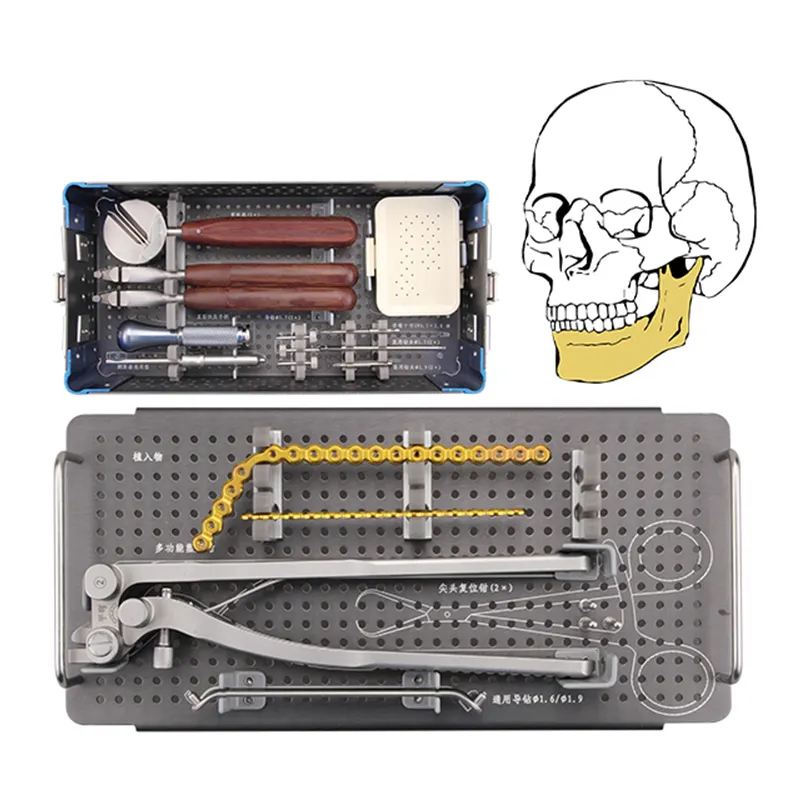
Why QMS Software Is Essential for Maxillofacial Prosthodontics Compliance
The regulatory stakes: ISO 13485, FDA 21 CFR Part 820, and EU MDR in craniofacial device manufacturing
Manufacturers of craniofacial devices need to follow several key standards including ISO 13485:2016 for quality management, FDA's 21 CFR Part 820 regulations, and the European Union's Medical Device Regulation (MDR). These requirements insist on thorough documentation covering everything from design controls to risk assessments and device history records. Trying to manage all these paper trails or scattered digital files becomes a nightmare fast. Just one small mistake in compliance can lead to serious problems with regulators. According to recent FDA inspections, almost half (that's 48%) of all medical device violations come down to poor design control practices as noted in the 2023 Compliance Report. Digital quality management systems help solve this mess by offering central repositories with tamper-proof audit trails, electronic signatures that meet 21 CFR Part 11 standards, plus automated ways to handle documentation. For things like maxillofacial prostheses, keeping track of materials used and proving biocompatibility isn't just paperwork it literally impacts whether patients stay safe and if companies pass their regulatory checks.
Clinical and operational risks of manual or fragmented quality systems in prosthodontic labs
Fragmented or paper-dependent quality systems introduce measurable clinical and operational hazards in maxillofacial prosthodontics:
- Patient safety vulnerabilities: Paper-based systems increase documentation errors by up to 18%, raising risks of incorrect device specifications or material mismatches in implants (Journal of Dental Technology, 2023)
- Audit failure likelihood: Disconnected records extend audit preparation by 60+ hours and create traceability gaps—particularly problematic during design change reviews
- Productivity drains: Technicians spend 20–30% of their time on compliance paperwork instead of fabrication
- Recall exposure: Manual CAPA processes delay response times by 5–7 days versus instant digital alerts
| Risk Factor | Manual System Impact | Digital QMS Mitigation |
|---|---|---|
| Documentation Accuracy | High error rates | Automated validation checks |
| Regulatory Traceability | Fragmented records | Unified audit trails |
| Design Change Management | Version control failures | Electronic approval workflows |
| Material Biocompatibility | Manual tracking gaps | Batch-to-patient linkage |
These risks are amplified in maxillofacial contexts, where each custom prosthesis requires exacting tolerances and documented biocompatibility. Integrated QMS software eliminates silos between design, production, and quality teams—ensuring every device meets regulatory and clinical requirements while maintaining continuous audit readiness.
Selecting QMS Software Maxillofacial Prosthodontics Compliance Tools
Must-have features: Audit trail, electronic signatures, design control, and change management for oral-maxillofacial devices
Effective QMS software for maxillofacial prosthodontics must include four non-negotiable capabilities:
- Immutable audit trails, automatically capturing all user actions and system events to satisfy FDA 21 CFR Part 820 and EU MDR traceability mandates
- 21 CFR Part 11—compliant electronic signatures, enabling secure, legally defensible approvals for design changes and device specifications
- Integrated design control modules, supporting risk assessments, verification protocols, and design history file (DHF) generation from prototyping through final release
- Automated change management workflows, preventing deviations during material substitutions, process updates, or specification revisions
Without these features, prosthodontic labs face significantly longer audit resolution times—63% longer, according to the 2023 MedTech Quality Benchmark.
Vendor evaluation criteria: Validation support, dental device-specific workflows, and interoperability with CAD/CAM and DICOM systems
When selecting vendors, focus on those who offer ready-made Installation/Operational/Performance Qualification (IQ/OQ/PQ) packages that meet both ISO 13485:2016 standards and what the FDA expects. Dental practices should seek out workflow templates specifically designed for their needs, covering things like documenting bone grafts, matching prosthetic shades accurately, and validating how devices interact with soft tissues. This approach cuts down on the need for custom development and lowers the risks during validation processes. It's really important to check if these systems can work back and forth with CAD/CAM platforms used for digital impressions as well as imaging systems that comply with DICOM standards, such as CT or MRI scans needed for mapping anatomy. According to research published in the Dental Technology Journal in 2024, dental labs that implemented interoperable systems saw a massive drop in compliance documentation mistakes—around 78%. Generic quality management systems just don't cut it here. Labs that stick with non-specialized enterprise solutions typically face much higher validation expenses, averaging about $740,000 extra according to a Ponemon Institute report from last year.
Implementing QMS Software in Clinical and Lab Environments
Phased rollout: From gap analysis and process mapping to UAT and staff training in maxillofacial prosthodontics settings
The best way to start is by doing a thorough gap analysis first. Look at how things currently work in the lab compared to what ISO 13485 and FDA 21 CFR Part 820 actually require for craniofacial devices. Next step? Process mapping. Get a clear picture of all those important steps between taking digital impressions and delivering the final prosthetic. Pay special attention to risky areas where people still do things manually without proper documentation, such as when they change designs on the fly or substitute materials without records. Now comes the tricky part - setting up QMS modules so they can handle these key points automatically but still work smoothly alongside existing CAD/CAM and DICOM systems. Don't rush into full deployment though. Run some User Acceptance Testing (UAT) with actual maxillofacial cases before going live. Check if electronic signatures, audit trails, and DHF generation really stack up against EU MDR Annex II traceability standards. Finally, train everyone involved properly. Prosthodontists need their own sessions, same goes for technicians and QA staff. Focus heavily on handling complaints, managing changes, and reporting any adverse events that come up. This careful, step-by-step method keeps everything compliant with regulations while making sure daily operations continue running smoothly.
Validation essentials: IQ/OQ/PQ documentation aligned with FDA and MDR requirements for digital QMS
Validation isn't something that can be skipped if we want a quality management system ready for audits. The Installation Qualification or IQ process checks whether software has been properly deployed in both clinical settings and laboratory environments. It looks at things like making sure all the hardware works together, checking network security measures are in place, and confirming who gets access to what information. Then comes Operational Qualification (OQ), which basically puts the system through its paces testing essential features including electronic signatures, those automated design control processes, and how CAPA routing works when faced with simulated workloads similar to what happens during complex craniofacial procedures. For Performance Qualification (PQ), we need to see consistent performance in actual operations across at least thirty different scenarios representing real world usage. Think about tracking materials through the production chain, completing device history files correctly, and handling adverse events appropriately. Every step needs proper documentation following FDA 21 CFR Part 820.70(i) standards while also showing compliance with EU MDR Annex II specifications. According to research from Ponemon Institute back in 2023, this methodical approach cuts down on regulatory issues by around two thirds when compared to traditional paper based systems.
Sustaining Compliance and Continuous Improvement
Keeping QMS software compliant in maxillofacial prosthodontics isn't something that happens once and stays done forever. It needs ongoing attention and management beyond just setting things up initially. When labs use automated systems to track audits and analyze data in real time, they can spot problems early on in design processes, materials tracking, or when corrective actions fall behind schedule. This lets them fix issues before small problems turn into bigger ones. According to MedTech Quality Benchmark research from last year, dental labs that build corrective action processes right into their quality management systems see around 25 to 40 percent fewer quality problems than those relying on old fashioned paper trails. What this means is compliance stops being something people dread and becomes part of how business gets done day to day. Labs save time during validations, get through audits faster, and always have documentation ready if needed. Management should review performance regularly too looking at trends in customer complaints and corrective actions taken. Plus making sure everyone gets refresher training each year helps create an environment where improvement is constant rather than occasional. This kind of approach makes it much easier to keep pace with changes happening in regulations such as recent updates to EU MDR requirements or new guidance coming out of ISO committees.
FAQ
Why is QMS software important for maxillofacial prosthodontics?
QMS software is essential because it ensures compliance with regulatory standards like ISO 13485, FDA 21 CFR Part 820, and EU MDR. It helps manage documentation effectively, improving patient safety and aiding in regulatory audits.
What risks are associated with manual quality systems in prosthodontic labs?
Manual systems can lead to documentation errors, audit failures, productivity losses, and delayed responses to product recalls. Implementing a digital QMS mitigates these risks with automated checks and unified records.
What features should be present in effective QMS software for maxillofacial prosthodontics?
Effective QMS software must have audit trails, electronic signatures, integrated design control modules, and change management workflows to satisfy regulatory demands and improve lab efficiency.
How can labs ensure successful QMS software implementation?
Successful implementation involves gap analysis, process mapping, phased rollouts, and thorough staff training tailored to the unique processes in maxillofacial prosthodontics.