 EN
EN
 FR
FR
 ES
ES
 AR
AR

Identify and Classify Core Trade Secrets in Titanium Mesh Co-Development
Distinguishing proprietary titanium mesh IP from industry-standard know-how
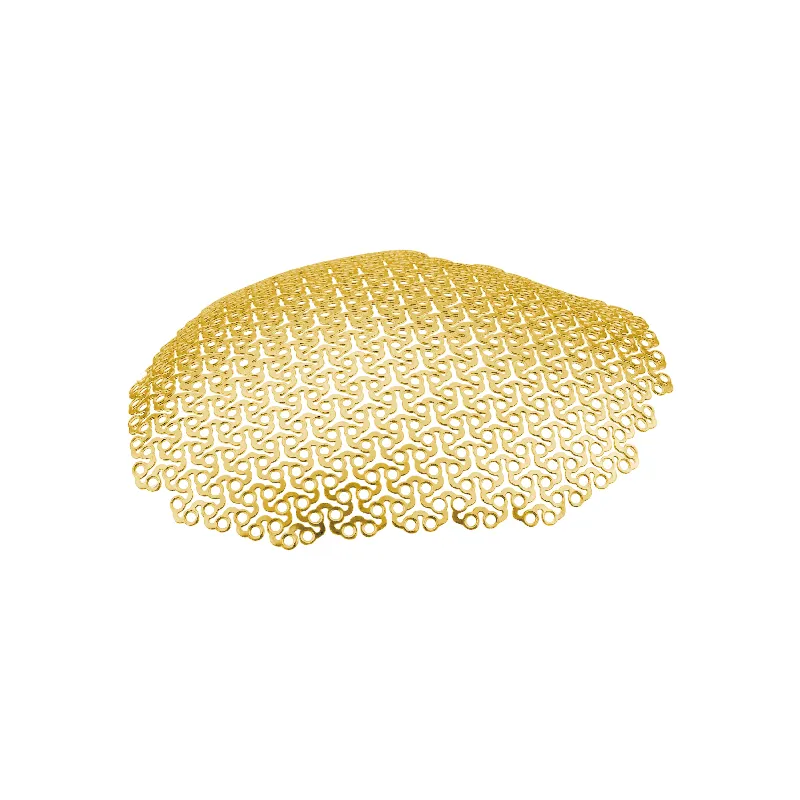
To keep proprietary intellectual property safe, companies need good documentation showing what's truly innovative versus what everyone else is already doing. For titanium mesh products, the proprietary stuff usually involves special lattice structures, customized porosity calculations, and those fancy patient-specific topology optimizations that actually work better. Tests show these approaches can boost bone integration by around 15 to maybe even 30 percent compared to regular designs. Standard industry knowledge on the other hand? That's just stuff like commonly known sintering temps or ASTM materials specs anyone can look up online. These aren't really going to give a business any edge in the market. Companies should track inventions as they happen during collaborative design sessions. This helps draw clear lines about who owns what, and stops valuable ideas from slipping out accidentally when working with partners.
Classifying price-sensitive trade secrets: alloy tolerances, HIP parameters, and surface finish protocols
Critical trade secrets directly impacting commercial viability include:
- Alloy tolerance thresholds controlling fatigue resistance in load-bearing implants
- Hot Isostatic Pressing (HIP) parameters determining void-free density at minimal energy costs
- Electropolishing protocols achieving sub-micron surface finishes that reduce infection risks by 40%
Classify these using a three-tier confidentiality matrix based on revenue impact. Tier-1 secrets, such as proprietary HIP cycles, warrant strictest access controls, as minor deviations can increase manufacturing costs by $740k. Document classification criteria in joint development agreements to prevent disputes during implant commercialization.
Implement Legally Robust Contractual Protections for Titanium Mesh Collaboration
Enforceable NDAs aligned with DTSA/UTSA for orthopedic manufacturers and contract fabricators
Non-disclosure agreements or NDAs serve as the primary legal defense line against IP leaks. When drafting these documents, it's essential they comply with both the Defend Trade Secrets Act and the Uniform Trade Secrets Act. The agreement needs to specifically address details about titanium mesh production including things like how the material is sintered and what kind of surface textures are applied during manufacturing. Important elements to include in any NDA would be requirements for keeping track of who gets access to what information. Also very important is specifying where legal disputes will be handled, especially if working with manufacturers located abroad. The document should clearly outline exactly how shared information can be used. One critical restriction to include is a ban on reverse engineering efforts focused on mesh porosity characteristics or the structural lattice designs themselves.
Joint Development Agreements that clarify background vs. foreground IP in titanium mesh co-design
Joint Development Agreements (JDAs) prevent ownership conflicts by distinguishing pre-existing ("background") and newly developed ("foreground") IP. For titanium mesh projects, background IP typically includes proprietary alloy formulas, while foreground IP covers co-created design optimizations like patient-specific topology mappings. JDAs must stipulate:
- Escrow protocols for raw material certification documents
- Royalty structures for commercialized co-developed mesh designs
- Dispute resolution mechanisms for IP contribution claims
A well-structured JDA reduces litigation risks by 45%, according to American Intellectual Property Law Association benchmarks (2024). Explicitly exclude trade secrets like HIP temperature profiles from automatic licensing clauses.
Enforce Operational Security Measures Across the Titanium Mesh Co-Development Lifecycle
Operational security protocols are non-negotiable for protecting trade secrets in titanium mesh co-development. These measures prevent unauthorized access to sensitive data throughout the design, prototyping, and manufacturing phases.
Least-access digital controls: watermarking CAD/CAE files and restricting version history sharing
Strict access controls should be put in place for all digital design assets within the organization. CAD and CAE files need watermarks with unique codes that can help track down any leaks if they happen. Version histories shouldn't be visible to everyone just because someone works on the project. Core engineers get to see those details, but others don't need to know about every little change made during development. Role-based permissions work wonders here too. Suppliers only get access to what's absolutely necessary for their part of the job. This approach cuts down on IP theft risks significantly while still allowing companies to collaborate securely with partners in fields like orthopedic device manufacturing where sensitive information protection is critical for maintaining competitive advantage.
Physical and procedural safeguards during pilot manufacturing to protect sintering and post-processing secrets
Biometric access systems should be implemented across all sintering and HIP work areas, along with continuous surveillance monitoring. When it comes to making adjustments within tight temperature ranges (around ±5°C) or pressure levels (about ±0.2 MPa), we need strict dual authorization protocols in place. These small but crucial details can make big differences in maintaining product consistency and protecting proprietary methods that give companies their edge over competitors. For post processing steps such as electropolishing, always maintain tamper proof documentation records. Before starting any pilot run, everyone involved must go through mandatory confidentiality training sessions. Each participant signs specific non disclosure agreements tailored to that particular batch run. This creates stronger legal safeguards while building awareness among staff about what information needs protection. Finally, it's wise to separate different stages of production so no individual technician gets complete control over the entire workflow from start to finish. This simple segregation helps mitigate potential insider threats, especially important when manufacturing sensitive medical devices where security breaches could have serious consequences.
Monitor, Audit, and Enforce Trade Secret Protections Post-Co-Development
Keeping an eye on things doesn't stop once the titanium mesh joint development wraps up. Companies need to set up some kind of automated system to watch who's accessing what when it comes to those confidential files containing all the important details about sintering temps or surface treatments. Checking in regularly helps make sure manufacturing partners actually follow through on their promises regarding secrecy and proper disposal of information. These checks should cover both the digital stuff stored in places like CAD systems as well as old fashioned paper records from the factory floor. The goal here is catching anyone holding onto secret formulas they weren't supposed to keep around.
It's important to have clear rules about what happens when someone breaks the contract. When audits find problems like suppliers copying our unique pore geometry designs for other companies, we need to act fast. The Defend Trade Secrets Act gives us tools to stop this kind of theft right away. Keep thorough records of any rule breaking incidents. Looking at computer files and seeing who accessed what when can really help build a strong case later on. Getting ahead of these issues stops them from happening again and protects the money making potential behind our special titanium mesh technology. Businesses that watch their operations closely report about 38 percent less loss of valuable information compared to those who only respond after problems occur. This makes sense because prevention costs less than fixing damage after the fact.
FAQs
1. What are the key trade secrets in titanium mesh co-development?
Key trade secrets include proprietary lattice structures, alloy tolerance thresholds, HIP parameters, and electropolishing protocols. These elements directly impact a product's commercial viability.
2. How should companies protect their trade secrets legally?
Companies should use enforceable NDAs aligned with DTSA/UTSA and Joint Development Agreements to define ownership and protect trade secrets. These legal documents must specify access controls and dispute handling.
3. What operational security measures are necessary?
Measures like biometric access systems, watermarking CAD/CAE files, and strict version control should be in place. Additionally, procedural safeguards during manufacturing protect proprietary methods.
4. Why is post-development auditing important?
Auditing ensures ongoing protection of trade secrets and compliance with confidentiality agreements. It helps identify breaches, allowing companies to act swiftly and prevent further loss.
Table of Contents
- Identify and Classify Core Trade Secrets in Titanium Mesh Co-Development
- Implement Legally Robust Contractual Protections for Titanium Mesh Collaboration
- Enforce Operational Security Measures Across the Titanium Mesh Co-Development Lifecycle
- Monitor, Audit, and Enforce Trade Secret Protections Post-Co-Development