 EN
EN
 FR
FR
 ES
ES
 AR
AR

Regulatory Compliance and Risk Mitigation Through Early Cross-Functional Integration
How siloed handoffs delay design transfer—and increase FDA review risk
When R&D, manufacturing, and regulatory departments work in isolation, it creates serious roadblocks when transferring designs for locking screw plate systems. The typical sequential handoff process often leads to missing documentation that ends up triggering FDA requests for extra validation data. This alone can delay 510(k) clearance anywhere from six to eight months on average. Even worse, about 42 percent of significant inspection findings come down to manufacturing feasibility problems that weren't addressed until far too late in the development cycle. Companies that integrate these functions across departments avoid these headaches through concurrent risk assessments. Getting manufacturing experts involved early helps spot sterilization compatibility issues before prototypes are even built. At the same time, having regulatory folks at the table ensures mechanical testing follows 21 CFR Part 820 guidelines properly. These changes cut down on design revisions by roughly 30 percent and makes submissions much less likely to get rejected because they don't meet compliance standards.
Applying Quality by Design (QbD) to align clinical, regulatory, and manufacturing inputs from Day 1
Quality by Design (QbD) transforms compliance from a reactive checkpoint into a proactive, embedded strategy. By defining critical quality attributes through joint clinical-regulatory-manufacturing workshops, teams establish traceable design parameters for trauma fixation devices. For example:
- Surgeon input on intraoperative adjustability informs torque tolerance limits
- Regulatory guidance shapes biocompatibility testing scope per ISO 10993
- Production engineers define machining tolerances for screw thread geometry to ensure functional reliability
Getting compliance built right into the product from day one makes all the difference compared to trying to bolt it on after development. Manufacturing engineers working side by side with designers on those control documents actually stops around two thirds of problems that come from vague specs. Quality by Design approaches don't just fix current issues either. They prepare medical devices for what's coming next in regulations too. Take a look at the new ISO 13485:2025 rules for cybersecurity in smart implants as just one example. Companies adopting this mindset see real benefits down the road. Their teams resolve corrective actions almost half as fast as before, and when it comes time for validation testing, products pass on the first try about 35% more often than traditional methods allow.
Accelerating Time-to-Market and Clinical Adoption via Engineering-Commercial-Regulatory Alignment
Case study: Zimmer Biomet’s TPS locking plate system—41% faster 510(k) clearance through integrated development
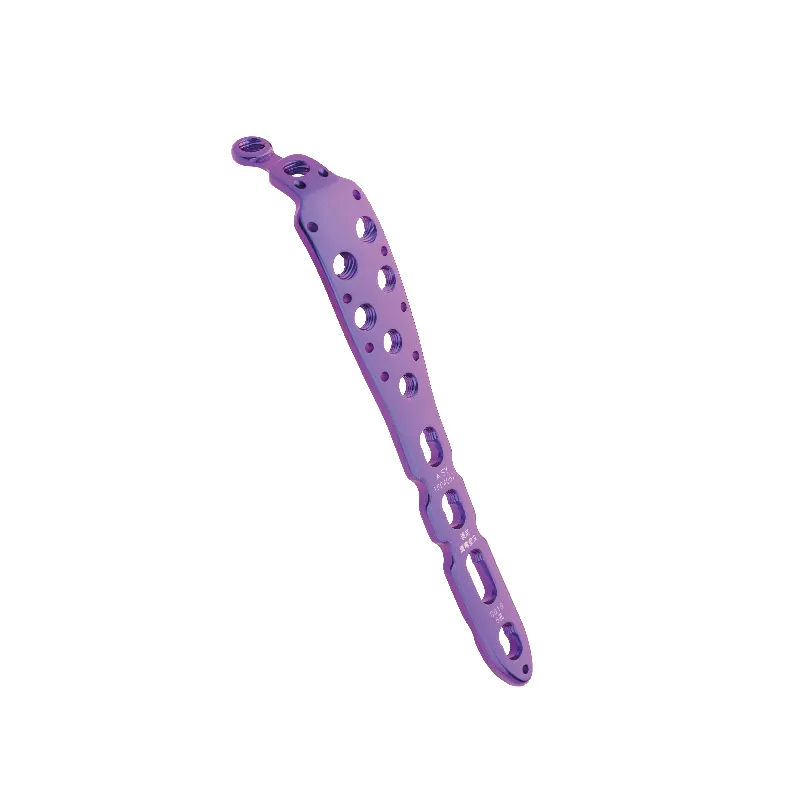
Zimmer Biomet managed to speed up their 510(k) clearance process by nearly half for the TPS trauma fixation locking plate system when they started applying cross-functional collaboration throughout every stage of the locking screw plate's life cycle, right from initial concepts all the way to market launch. Before this change, separate departments like engineering, regulatory affairs, and commercial operations would pass work back and forth in isolation, causing delays in transferring designs and stretching out FDA reviews. When the company brought everyone together using integrated product development methods such as working on multiple aspects at once, creating prototypes quickly, and aligning regulatory plans early on, they cut down on unnecessary repeats of the same work. Engineers checked their specs against what doctors actually needed before starting anything serious, while sales folks gave honest feedback about how easy products were to use during prototype testing. This close cooperation between engineering, manufacturing, regulation, and commerce departments led to much better submission documents that answered most of the FDA's potential questions ahead of time, which shaved off five whole months from the typical twelve month approval window. After getting cleared, the company also made sure surgeons were properly trained and supplies ready to go, cutting down how long it took for hospitals to start using the new plates by around three weeks. This real world example shows that when medical device companies coordinate across all departments from beginning to end, they can actually turn those frustrating regulatory roadblocks into something that gives them an edge over competitors, all while still meeting quality by design standards for trauma fixation devices.
Sustaining Product Performance and Lifecycle Agility Amid Evolving Requirements
Coordinating rapid response to new mandates—e.g., FDA’s 2024 cybersecurity guidance for smart orthopedic implants
The FDA released new cybersecurity guidelines for connected medical equipment back in 2024, and manufacturers need to act fast across departments. Problems happen when different teams work separately - engineers fixing software issues while legal folks handle paperwork or quality control does their thing alone. This creates holes in compliance that slow down necessary updates and puts patients at risk from security flaws we could have prevented. Companies that bring together engineering, regulatory affairs, and quality assurance get much better results. They can roll out firmware fixes at the same time they update security monitoring systems and prepare all the required documentation ahead of audits. We've seen this approach cut down on implementation delays by roughly a third to half compared to passing tasks between departments one after another. The result? Medical devices stay safe and compliant from production through to when they're actually used in hospitals.
Aligning KPIs across functions to drive post-launch optimization: first-pass yield, field failure rate, and revision time-to-market
How well a product performs after launch really hinges on having common metrics across different departments. Manufacturing folks keep an eye on first pass yields because they want to cut down on rework costs. Meanwhile, service teams track those field failures so they can figure out what went wrong and tell engineers about it. The R&D department looks at how long it takes to get revisions to market, which tells them if they're responding quickly enough to feedback from doctors and clinics. When everyone works with the same set of numbers, amazing things happen. Take one company that cut their revision cycle times by around 22% just by sitting down together and looking at all the data side by side. Teams move faster when they're not working in silos, but still manage to hit all the regulatory requirements and maintain good quality standards throughout.
FAQ
Why is cross-functional integration important for regulatory compliance?
Cross-functional integration is crucial because it ensures that all departments work together from the early stages of development, reducing the risk of non-compliance and delayed FDA clearance by addressing potential issues before they arise.
What is Quality by Design (QbD)?
Quality by Design is a proactive strategy that embeds quality into the product development process, aligning clinical, regulatory, and manufacturing inputs from the start to minimize compliance issues and improve product reliability.
How did Zimmer Biomet improve its 510(k) clearance time?
Zimmer Biomet improved its clearance time by adopting integrated product development methods, which involved collaboration among departments from concept through to market launch, resulting in better submission documents and faster FDA approval.