 EN
EN
 FR
FR
 ES
ES
 AR
AR

Regulatory Divergence: EU MDR vs. FDA Frameworks
Clinical Evidence Requirements: Post-Market Surveillance vs. PMA Pathways
Under the EU Medical Device Regulation, manufacturers must keep evaluating their products clinically throughout the entire life of the device. This means having solid post-market surveillance systems in place and regularly updating clinical evidence through PMCF studies. Things work differently across the Atlantic. The FDA focuses most of its attention on high-risk devices during the premarket approval process, asking for extensive clinical trial data long before anything hits store shelves. Real world data can be included in PMA applications, but there's no equivalent to the EU's systematic approach to ongoing evaluation. Because of these differences, companies end up creating completely separate strategies for clinical evidence. They need one set of reports to meet EU standards and another pile of paperwork for FDA clearance in the US. All this duplication adds months to timelines, drives up costs, and creates mountains of extra documentation that nobody really wants to deal with.
Classification Shifts Under EU MDR and Their Impact on Fracture Plate Certification
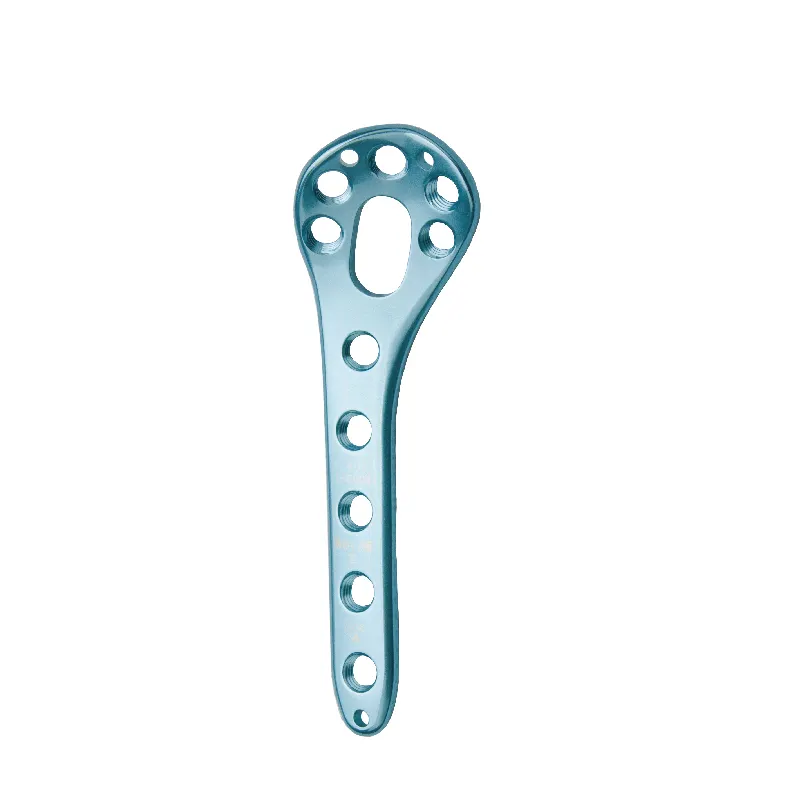
The European Union Medical Device Regulation (MDR) moved fracture plates up from Class IIb to Class III status back in 2021. This shift brought about much tougher rules, including the need for actual clinical studies for specific uses and complete reassessment under Annex XVI for all devices already approved before this change happened. Manufacturers now face new challenges when it comes to proving materials won't harm patients, documenting risks more thoroughly, and getting approval through official bodies rather than self-certification. On the other side of the Atlantic, things look different. The Food and Drug Administration still classifies these plates as Class II devices, allowing companies to get market access via the 510(k) pathway by comparing their product to similar ones already on the market. Clinical evidence is only needed occasionally according to FDA guidelines. This regulatory gap between regions is causing real problems for manufacturers trying to navigate both systems simultaneously.
| Requirement | EU MDR (Class III) | FDA (Class II) |
|---|---|---|
| Clinical Evidence | Clinical investigations + PMCF | Predicate comparison ± clinical data |
| Timeline Impact | 18–24 months | 6–12 months |
| Notified Body Role | Mandatory conformity assessment | Limited oversight |
Strategic regulatory planning—anchored in ISO 13485 quality management—remains essential to harmonize documentation where possible, without compromising compliance.
Inconsistent Mechanical Testing Standards for Trauma Implants
Divergent mechanical testing protocols impede global harmonization of trauma implant standards, costing manufacturers an estimated $740k annually in duplicated compliance efforts (Ponemon Institute, 2023). These inconsistencies delay market access and introduce variability in performance benchmarks—potentially affecting patient safety and clinical outcomes.
ISO 14879-1 vs. ASTM F382: Key Discrepancies in Bending Fatigue Protocols
There are some pretty significant differences when comparing ISO 14879-1 versus ASTM F382 standards for testing how orthopedic plates handle bending fatigue over time. The ISO standard basically requires running tests for 5 million cycles while applying loads similar to what happens naturally in the body. This approach focuses heavily on whether the plate can truly last through real-world usage without breaking down. On the other hand, ASTM F382 works differently. It allows manufacturers to test with much higher stresses applied and lets them decide how many cycles to run based on what they're trying to prove about their design and how it might fail. While this gives more flexibility, it also creates headaches for engineers who need to interpret results consistently across different products and applications.
- Divergent test objectives (ISO emphasizes functional longevity; ASTM focuses on yield and ultimate strength thresholds)
- Up to 30% longer testing timelines under ISO protocols
- Conflicting pass/fail criteria—particularly regarding acceptable plate deformation and screw loosening
Manufacturers routinely conduct both tests to satisfy regional regulators, despite overlapping biomechanical intent.
Unresolved Dynamic Loading Profiles for Locking Plate Systems
No internationally agreed dynamic loading protocol exists for validating locking plate systems under physiologically relevant conditions. As highlighted in peer-reviewed biomechanical research (Friis et al., Journal of Orthopaedic Research, 2017), critical gaps persist in defining:
- Multi-axial loading sequences that replicate gait-cycle kinematics
- Micromotion thresholds aligned with biological fracture healing phases
- Environmental conditioning—such as immersion in simulated synovial fluid—to assess corrosion and interface stability
Consequently, an estimated 68% of novel locking plate systems lack validated dynamic testing frameworks, leaving performance claims unsupported by standardized evidence.
Structural Barriers Within Global Standardization Bodies
Voting Imbalances and Regional Prioritization in ISO/TC 150
The ISO/TC 150 committee, which handles standards for surgical implants, runs into serious problems when trying to create unified standards across countries. The way voting works gives certain regions too much power over what gets decided, pushing the committee toward methods that work well in those areas but don't necessarily apply everywhere else. Take mechanical tests for fracture plates as just one case in point. Attempts to get everyone on the same page have hit roadblocks because different nations prioritize their own interests first, while countries still developing have little say in these matters. This kind of imbalance goes against what ISO was originally created for—to help break down technical walls between markets around the world. If nothing changes about how decisions are made within this committee, we'll keep seeing standards tailored specifically for particular regions rather than ones that work globally. That means manufacturers end up doing extra testing and dealing with completely different approval processes depending on where they want to sell their trauma implants.
Mutual Recognition Agreements: Progress, Limitations, and Gaps
Mutual Recognition Agreements or MRAs provide a practical way to simplify getting trauma implants into international markets. These agreements let regulatory bodies accept test results from other countries instead of doing everything twice. Take the EU-US MRA for example. It works for certain types of medical devices and has cut down on repeating similar quality checks. But there are still big problems keeping these agreements from working better. The main issue is how different the EU and US approaches really are. The EU's Medical Device Regulation focuses on managing devices throughout their entire life cycle while the FDA looks mostly at what happens before products hit the market. There are also serious issues when it comes to making sure mechanical tests match up between regions. Think about things like stress tests for bone fixation plates. And nobody agrees on what counts as proper monitoring after a product is sold. Because of all this, companies continue facing expensive, time consuming approval processes even when they have MRAs in place. This eats away at any efficiency savings and slows down when new treatments reach patients. If we want real progress toward global standards, regulators need to agree on fundamental technical specs and surveillance rules across key markets, not just accept each other's paperwork.
FAQs on Regulatory Divergence between EU MDR and FDA Frameworks
What are the main differences between EU MDR and FDA frameworks?
The EU MDR requires continual clinical evaluation throughout the device's lifecycle with post-market surveillance and PMCF studies, whereas the FDA focuses primarily on premarket approval for high-risk devices, requiring extensive clinical trial data before market release.
How has the classification shift under EU MDR affected fracture plates?
Fracture plates have moved from Class IIb to Class III under EU MDR, introducing tougher regulations, mandatory clinical studies, and a reassessment for previously approved devices.
Why are mechanical testing standards for trauma implants inconsistent globally?
Mechanical testing standards differ due to divergent protocols like ISO 14879-1 and ASTM F382, leading to duplicated compliance efforts and delays in market access.