 EN
EN
 FR
FR
 ES
ES
 AR
AR

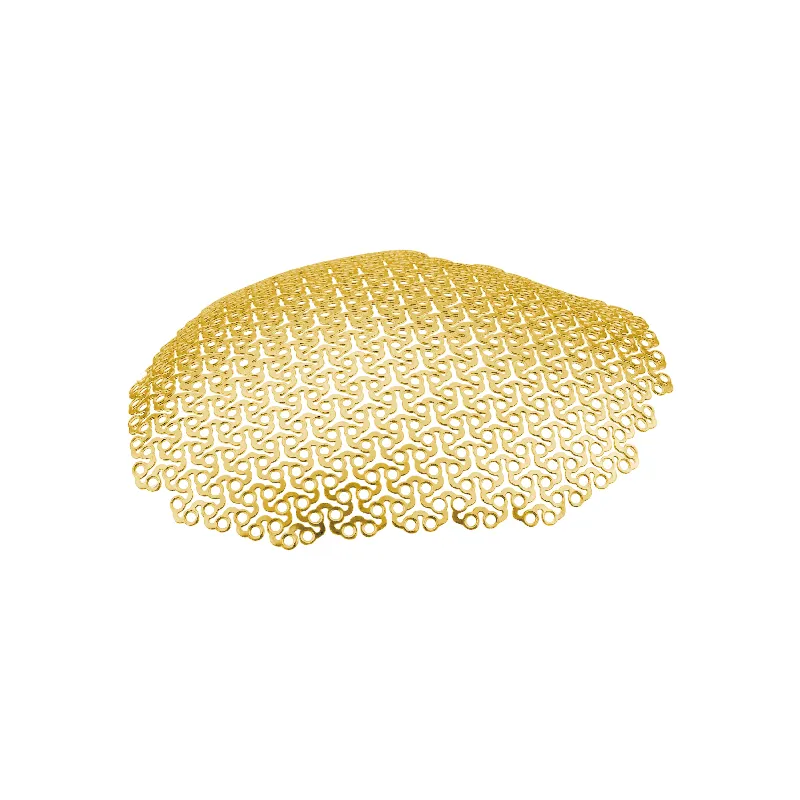
Polymer-Based Antibiotic-Eluting Meshes: Mechanisms and Clinical Impact
How Sustained-Release Coatings Enable Localized, Long-Term Antimicrobial Activity
Antibiotic releasing meshes made from polymers work by applying special coatings that slowly release medicine right where the implant goes. These coatings usually contain materials such as PLGA, a type of biodegradable polymer that our bodies can safely break down over time. The antibiotics come out gradually over several weeks or even months through different processes including simple diffusion, water absorption, or actual breakdown of the polymer itself. When drugs are delivered this way locally, there's less risk of harmful side effects throughout the body, yet enough remains active on the mesh surface to fight off infections. This matters most after surgery since the mesh is vulnerable to bacteria sticking to it, especially dangerous strains like Staph aureus. What makes these meshes so clever is how they create what amounts to a protective shield against infection without messing up how medications normally behave inside patients' systems.
Evidence from Hernia Repair Trials: Infection Reduction Rates and Limitations
Clinical studies across multiple centers have found that meshes treated with antibiotics can cut down surgical site infections by around 35 to 40 percent when compared to regular meshes. Patients at higher risk seem to benefit most from this technology, particularly individuals dealing with conditions like diabetes or obesity issues. The effectiveness really depends on how the antibiotics get released over time though. If they come out too fast, there might not be enough left to fight infection properly, which could lead to bacteria becoming resistant. On the flip side, if too much stays in the mesh, that leftover antibiotic might actually encourage bad bacteria growth through biofilms. These antibiotic releasing systems work well against infections that happen right after surgery but aren't so great at stopping later infections that come from bloodborne pathogens or weakened immunity down the road. For this reason, doctors should think of them as part of a bigger picture approach to preventing infections rather than relying solely on them as a cure all solution.
Metallic Nanoparticle Surface Modifications for Broad-Spectrum Antimicrobial Action
Silver, Copper, and ZnO Nanocoating Strategies on Polyester and Polypropylene Meshes
When working with materials science, engineers often coat polyester and polypropylene meshes with tiny silver, copper oxide, and zinc oxide particles. They do this through various methods that can be scaled up for production, such as dipping the material in solutions, spraying on coatings, or using plasma treatments to modify surfaces. What these approaches produce are very thin layers of nanoparticles, typically less than 50 nanometers thick. These coatings stick well to the mesh without compromising how strong or flexible it is, plus they allow ions to slowly come off over time. Copper based nanoparticles tend to last longer since they don't oxidize as quickly compared to silver counterparts. Meanwhile, adding zinc oxide helps create more reactive oxygen species which damages cell membranes effectively. Getting the right balance matters a lot too. The way surfaces are treated controls how fast ions get released. It needs to be just strong enough to stop bacteria from sticking to the material, but not so aggressive that it harms important cells like fibroblasts and endothelial cells during healing processes.
Efficacy Against Biofilm-Forming Pathogens (MRSA, Pseudomonas) in Preclinical Models
Studies on rodents showed that silver nanocoating on mesh materials cut down MRSA colonization rates by about 92% compared to regular mesh controls according to research published in Biomaterials last year. Copper oxide surfaces managed to wipe out Pseudomonas aeruginosa biofilms completely after just three days, apparently by breaking down cell membranes and stopping DNA replication processes. For multidrug resistant Enterococcus faecium strains, zinc oxide composites worked surprisingly well too. These materials generate hydrogen peroxide locally which helps them get through those protective slime layers bacteria create around themselves. Although all these findings look very promising in early tests, especially when fighting stubborn biofilms that resist normal antibiotics, we still need proper testing on safe dosage levels before these treatments can be widely used in actual medical settings.
Bioinspired and Biodegradable Antimicrobial Coatings
Chitosan, Lysozyme, and Essential Oil Derivatives in Resorbable Mesh Platforms
Antimicrobial coatings inspired by nature combine substances such as chitosan, lysozyme, and oils from plants into surgical meshes that can either dissolve over time or last longer depending on what's needed. Chitosan comes from chitin and works by messing with bacteria's outer layers through electrical charges. Lab tests show it knocks out over 99% of Staph aureus when tested in controlled environments. Then there's lysozyme which basically eats away at parts of certain bacteria cells. Thymol and carvacrol, those are stuff found in thyme and oregano, manage to get through tough bacterial films and mess with how bacteria pump out antibiotics. When mixed together on materials like polypropylene or polyester, these natural ingredients offer protection for a limited period that matches up well with how tissues heal initially after surgery. Combinations of chitosan and lysozyme cut down MRSA levels by thousands of times, and special oil mixtures keep working for more than a month. Since they break down naturally in the body and don't leave behind synthetic garbage, there's less chance of harming surrounding tissues. Plus doctors don't have to go back later to remove them, which makes these coatings especially useful for tricky procedures involving things like fixing pelvic organs or repairing abdominal wall weaknesses.
Next-Generation Smart Antimicrobial Technologies
Stimuli-Responsive (pH/Enzyme-Activated) Coatings for Targeted Infection Microenvironments
Smart coatings of the next generation work by responding to specific biochemical signals that appear only at actual infection spots. Think about things like localized acidosis when pH drops below 6, or those enzymes secreted by pathogens such as proteases from Pseudomonas bacteria. These "on demand" systems basically stay inactive until something triggers them, which helps cut down on unnecessary antimicrobial exposure. This means good bacteria and healthy host cells aren't harmed unnecessarily. Take pH responsive hydrogels for instance. When they sense acidity, these materials swell up and start releasing silver ions right there in the acidic environment. Lab tests show they can reduce Staph aureus by almost 99.7% within just one day in wound models. There are also coatings activated by enzymes that break down only when they meet bacterial proteases head on. This approach delivers antibiotics much more precisely, cutting off target effects by around 92% compared to regular passive release methods. The ability to act exactly where and when needed not only makes these treatments last longer but also lowers the chances of resistance developing over time.
Dual-Action Systems Combining Contact-Killing and Controlled Release Mechanisms
Top tier antimicrobial systems combine fast acting contact killing with long lasting controlled release features that work together in layered protection. When bacteria touch silver copper alloy nanoparticles woven into mesh fibers, their cell membranes get destroyed right away. At the same time, nearby PLGA micro reservoirs slowly release antibiotics like minocycline or rifampin for up to a month. This two pronged approach tackles both new infections and established biofilms. Research shows these systems can cut MRSA levels by 99.99% within just two hours, and keep biofilm growth below 10% for the entire four week period. The combination of quick kill power and sustained drug delivery solves problems that single method solutions often face. Surgeons find these systems especially useful during complicated procedures or when dealing with previously infected sites where patients are at higher risk for post operative infections.
FAQ
What are antibiotic-eluting meshes?
Antibiotic-eluting meshes are surgical implants coated with special materials that slowly release antibiotics to prevent infections, especially after surgeries.
How do metallic nanoparticle surface modifications help in antimicrobial action?
Metallic nanoparticle coatings on medical meshes provide a thin layer of metals such as silver or copper that gradually release ions, offering long-term antimicrobial properties.
What benefits do bioinspired antimicrobial coatings offer?
Bioinspired coatings use natural substances like chitosan, lysozyme, and essential oils to create antibacterial effects while being biodegradable, reducing harm to tissues.
What are stimuli-responsive coatings?
Stimuli-responsive coatings activate upon detecting biochemical signals unique to infection areas, thereby providing targeted antimicrobial action without affecting healthy cells.