 EN
EN
 FR
FR
 ES
ES
 AR
AR

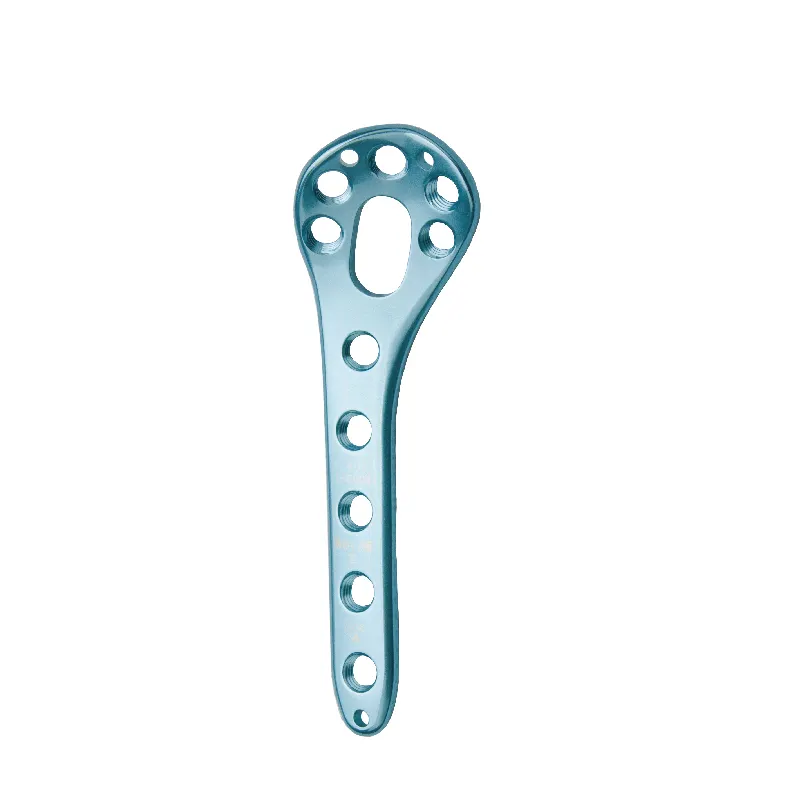
Why Emerging Markets Are Becoming Critical for Fibula Plate Adoption
Surge in Orthopedic Trauma Burden Driven by Road Traffic Injuries and Aging Populations
The demand for fibula plate solutions keeps rising in emerging markets because of two big problems at once: more road accidents and older populations. Countries with lower incomes see about 90 percent of all road deaths worldwide according to WHO data from last year, and many of those incidents leave people with complicated leg fractures that need surgery. Meanwhile, we're seeing a surge in osteoporosis cases too. By 2030, doctors expect this condition to affect around 28% more people in these areas than now, which means more broken bones in weight bearing areas such as the fibula. These combined factors are putting serious pressure on orthopedic services everywhere. Across parts of Asia and Latin America, hospitals report needing to fix fractures at roughly 12% higher rates each year compared to just five years ago. That's almost twice what we see in wealthier nations where healthcare systems can handle such demands better.
Gaps in Trauma Care Infrastructure Creating Demand for Cost-Effective, Robust Fibula Implant Solutions
Critical infrastructure deficits—including surgeon shortages, limited sterile operating facilities, and inconsistent implant supply chains—amplify the need for purpose-built fibula fixation devices. Over 60% of district hospitals in emerging economies lack dedicated orthopedic theaters, making procedural simplicity, speed, and reliability essential. Manufacturers responding to this reality prioritize three attributes:
- Cost efficiency: Reducing unit costs by 40–60% versus premium-tier implants
- Operational robustness: Withstanding variable sterilization protocols and extended inventory lead times
- Procedural simplicity: Enabling secure fixation with minimal instrumentation and training
These constraints have accelerated adoption of modular titanium fibula plates—designed to maintain biomechanical integrity while streamlining workflows. Such systems prove especially valuable where revision surgeries carry disproportionate clinical and financial risk due to fragmented follow-up care.
High-Potential Emerging Markets: Asia Pacific, Latin America, and Middle East & Africa
The emerging markets trauma implant fibula plate sector is experiencing accelerated growth across Asia Pacific, Latin America, and Middle East & Africa—regions where rising trauma burdens intersect with targeted public health investment and evolving regulatory frameworks.
Asia Pacific: Rapid Surgical Volume Growth and Public Health Investment in Trauma Systems
Surgical procedures related to orthopedics are on the rise throughout Asia Pacific, growing roughly 9 percent each year mainly because of accidents from roads and fractures associated with aging populations. Several nations in the region are working hard to expand their emergency medical systems. Take Vietnam as an example where they set aside around 740 million dollars just last year for improvements to trauma centers. As these healthcare services grow, there's increasing need for fibula plates that work well with different body structures while keeping costs down. However getting things right means finding that sweet spot between what people can afford and meeting all those regulations across over fifty different areas. From India's CDSCO to ASEAN's MDCR framework, companies must navigate this complicated landscape. Plus manufacturers often need to establish production locally to satisfy requirements about using domestic materials.
Latin America & MEA: Regulatory Pathways, Reimbursement Evolution, and Infrastructure Priorities
The markets in Latin America and the Middle East/Africa present some pretty good opportunities thanks to regulatory frameworks that have been aligned over time. Take Brazil for instance where their reimbursement system has grown substantially lately, now reaching about three quarters of all trauma implant surgeries. On the infrastructure front, Saudi Arabia is pouring around $1.2 billion into building out health cities while various parts of rural Latin America are seeing these mobile surgical units popping up everywhere. Training local staff in minimally invasive methods matters a lot too, along with proper handling systems for those sensitive biomaterials that need specific temperatures maintained throughout transport. Working alongside established distributors in each region isn't just helpful but absolutely necessary when dealing with all sorts of paperwork at borders, making sure product labels meet requirements, and keeping customers satisfied long after purchase.
Market Entry Strategies for Trauma Implant Manufacturers
Local Manufacturing Partnerships to Address Cost, Compliance, and Clinical Customization Needs
Local manufacturing partnerships aren't just something companies can choose to do anymore. They have become absolutely essential if businesses want to establish themselves in emerging markets sustainably. Take a look at what's happening across different regions. In India, there's this rule requiring anywhere from 30 to 50 percent of products used in government contracts to be made domestically. And then there's Brazil where hospitals get reimbursed only between $800 and $1,200 for orthopedic procedures compared to over $3,000 when patients pay out of pocket privately. These kinds of regulations force companies to localize their operations. Working with local manufacturers cuts down on what companies actually pay to bring goods into the country by around 25 to 40 percent. This happens because they avoid import tariffs, take advantage of tax breaks, and shorten those long international supply chains. Plus, it helps keep everything aligned with the latest regulatory requirements popping up all over the place, like the ASEAN Medical Device Coordination Regulation or similar guidelines from the Gulf Cooperation Council.
| Partnership Benefit | Strategic Impact |
|---|---|
| Cost Reduction | Lowers landed costs 25–40% via streamlined supply chains and tax incentives |
| Regulatory Compliance | Ensures adherence to evolving standards like ASEAN’s MDCR or GCC’s GSO frameworks |
| Clinical Adaptation | Facilitates plate design modifications for region-specific fracture patterns |
A 2023 MedTech Emerging Markets Report found that 68% of surgeons prioritize devices adapted to local anatomical variations—underscoring the value of partnerships that integrate global R&D rigor with frontline clinical insight. This model directly addresses infrastructure gaps while reinforcing trust among procurement committees and surgical decision-makers.
Innovation Alignment: Next-Gen Fibula Plates for Emerging Market Realities
Minimally Invasive and Biodegradable Fibula Plate Systems Tailored for Resource-Constrained Settings
When hospitals struggle with maintaining sterile conditions and patients don't always get proper follow-up after surgery, modern fibula plates need to accomplish something beyond just holding bones together. They actually have to make recovery easier for everyone involved. The minimally invasive approach means smaller cuts during operations, less time spent in surgery rooms, and naturally lower chances of infections happening. And then there are those biodegradable options that doctors love because they save patients from going back under the knife later on for removal. That's huge savings in both money and hassle, especially in places without good outpatient facilities. As these plates work their way through the body, they slowly shift the weight onto the healing bone until they disappear completely. This matches what doctors want with what real world medical systems can handle. A recent study from 2023 found hospitals using these new technologies saw about 30 percent fewer problems after surgery in areas with patchwork healthcare systems. When companies focus their innovations on making procedures faster, cutting costs over time, and fitting within existing medical setups, they're not just selling products. They're actually helping bring better trauma care to people who might otherwise never get it.
FAQ
What are fibula plates and why are they important?
Fibula plates are medical devices used to stabilize fibula fractures, often as a result of severe trauma or conditions like osteoporosis. They are crucial because they help facilitate the healing process by maintaining bone stability.
Why is the demand for fibula plates increasing in emerging markets?
The demand is primarily driven by the surge in road traffic injuries and aging populations, which lead to an increase in fibula fractures that require surgical intervention.
What challenges do manufacturers face in emerging markets?
Manufacturers face challenges such as infrastructure deficits, surgeon shortages, and inconsistent implant supply chains, leading to a need for cost-effective, robust, and simple implant solutions.
How do local manufacturing partnerships benefit trauma implant manufacturers?
Local partnerships help reduce costs, ensure regulatory compliance, and allow for clinical customization to meet local anatomical needs, making it easier for companies to establish sustainable operations in these markets.
What advancements are being seen in fibula plate technology?
There is a move towards minimally invasive and biodegradable fibula plates, which result in fewer complications post-surgery and ease of recovery, particularly in resource-constrained settings.
Table of Contents
- Market Entry Strategies for Trauma Implant Manufacturers
- Innovation Alignment: Next-Gen Fibula Plates for Emerging Market Realities
-
FAQ
- What are fibula plates and why are they important?
- Why is the demand for fibula plates increasing in emerging markets?
- What challenges do manufacturers face in emerging markets?
- How do local manufacturing partnerships benefit trauma implant manufacturers?
- What advancements are being seen in fibula plate technology?