 EN
EN
 FR
FR
 ES
ES
 AR
AR

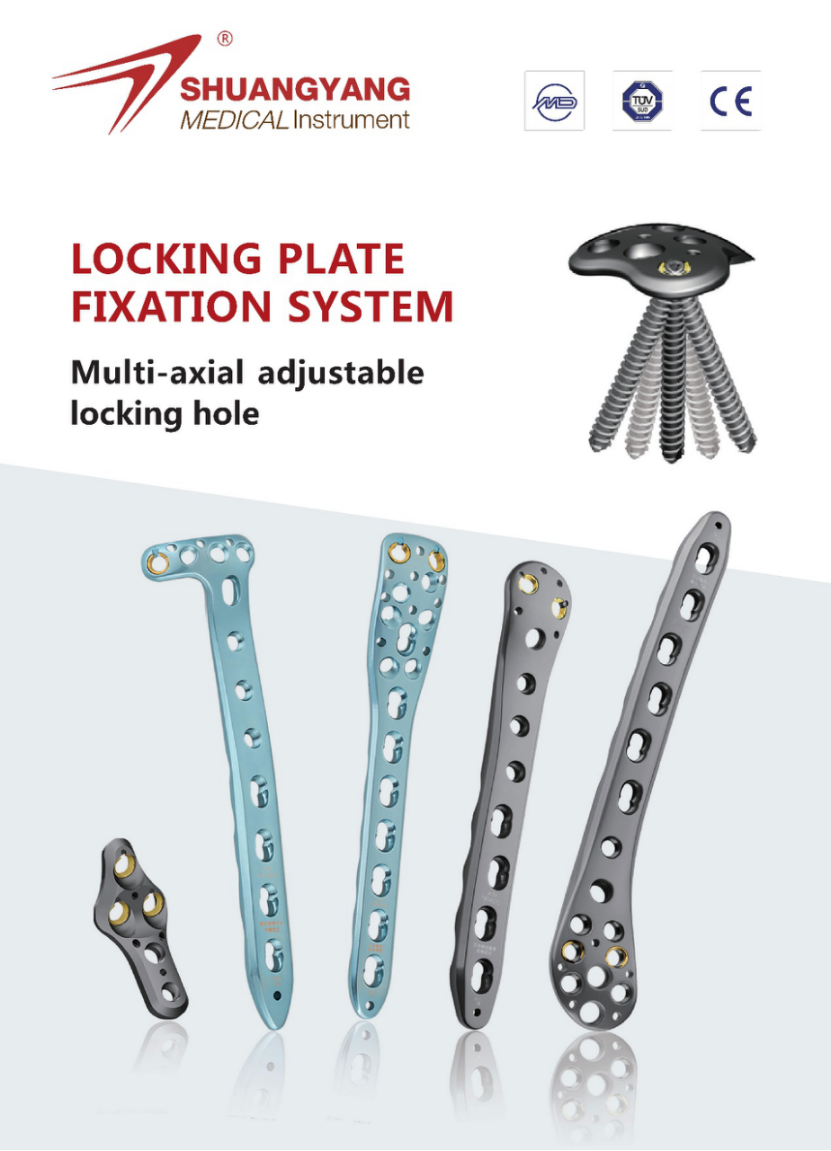
Supply Chain Disruptions and Logistics Challenges for Orthopedic Surgical Tools Post-Brexit
Customs checks at UK-EU borders now add 18–42 hours to orthopedic surgical tools shipments compared to pre-Brexit timelines (2023 UK Cabinet Office data). These delays disrupt just-in-time delivery models used by 73% of UK hospitals for implants like spinal fixation systems, forcing surgical rescheduling in 1 of 5 elective orthopedic cases (British Orthopaedic Association 2024).
How Customs Checks and Border Delays Impact Just-in-Time Delivery of Orthopedic Surgical Tools
The average 29% increase in border processing times since 2020 directly conflicts with the 48-hour replenishment cycles required for specialized tools like arthroscopic shavers. A 2023 study of 12 UK trauma centers found 33% experienced implant stockouts due to delayed EU shipments, increasing reliance on lower-cost instrument sets not always suitable for complex cases.
Case Study: Shipment Delays of Hip Replacement Implants From Germany to the UK
A leading German manufacturer faced 24-hour delays at Dover for cementless hip stems in Q2 2023, representing a 78% increase over pre-Brexit benchmarks. This caused 14 UK hospitals to postpone 23 joint replacement surgeries, with 61% of delayed patients reporting increased osteoarthritis pain (NHS England 2023 Incident Report).
Strategies to Mitigate Disruption: Regional Warehousing and Inventory Buffering
| Strategy | Implementation Cost | Lead Time Improvement |
|---|---|---|
| Regional UK Hubs | £230k+ annually | 59% faster delivery |
| Inventory Buffering | 18% higher carrying costs | 72% stockout reduction |
Major distributors now maintain 6–8 week inventory buffers for high-demand items like trauma plates, increasing warehousing costs by 41% but reducing emergency air freight usage by 67%.
The Role of Logistics Diversification in Maintaining Reliable Orthopedic Tool Distribution
Top suppliers have reduced border exposure by splitting EU and UK logistics operations, with 54% now using separate fulfillment partners. This redundancy cut customs-related delays by 38% in 2023 (Logistics UK Survey). However, the approach requires maintaining duplicate instrument sterilization facilities—a $740k upfront cost for average distributors (Ponemon 2023).
Regulatory Divergence: CE Marking vs. UKCA Compliance for Orthopedic Surgical Tools
Understanding the Split Between CE and UKCA Marking Requirements
Orthopedic surgical tool makers have been dealing with a fragmented regulatory environment ever since Brexit happened. For anyone selling into Europe, getting that CE mark (which stands for Conformité Européenne) is still absolutely necessary. But over in Great Britain, manufacturers need to get their products certified with the UKCA mark instead. What used to be a unified system has now split apart completely. The UK government created its own set of Approved Bodies to handle certification, separate from the EU's Notified Bodies framework. This creates real headaches when it comes to medical devices like bone screws or hip replacement systems. Manufacturers suddenly find themselves having to meet two different sets of requirements at once for things like material specifications, how they sterilize equipment, and even the clinical trial data they need to submit. It's not just paperwork either these changes actually affect product design decisions and manufacturing processes across borders.
Impact of Dual Compliance on Certification Timelines and Manufacturer Costs
Keeping up with both sets of regulations adds around 18% to certification expenses and can stretch out approval times anywhere from six to nine months, as found in a recent report from MedTech Europe back in 2023. Medical equipment makers now face the cost of running tests twice over for those CE and UKCA certifications, which hits small businesses especially hard when they're making niche products such as orthopedic drill guides. Looking at supply chain data from last year, nearly half (that's 43%) of all UK medical device firms put off launching new products because they got stuck waiting on these certifications. The financial hit? Around £2.3 million lost each year just for every product line that doesn't make it to market on time.
Case Study: UK Distributor Halting Sales Due to Delayed UKCA Certification
A distributor based in London that supplies German spinal implants had to stop selling them for about seven months waiting on UKCA approval even though they already had proper CE markings. This holdup led to empty shelves at 12 different NHS trusts, so doctors ended up resorting to other tools which made surgeries take around 22 percent longer. According to figures from NHS Supply Chain released in 2024, these kinds of certification problems were behind a 14 point jump in canceled elective bone surgeries during the first quarter of last year when compared to what was happening before Brexit happened.
Market Access Strategies for Orthopedic Surgical Tools in the UK and EU After Brexit
Establishing Separate Legal Entities to Navigate Fragmented UK-EU Regulatory Regimes
Since Brexit happened, makers of orthopedic surgical instruments have seen their compliance expenses jump by around 27%, according to MedTech Europe's 2023 report. The main reason? Different rules for UKCA and CE markings. To handle this mess, top manufacturers are setting up distinct legal operations in the UK specifically for dealing with product registration paperwork, managing quality checks, and handling potential liabilities. These separate setups let companies comply with both the EU's Medical Device Regulation (MDR) and the updated UK Medical Devices Regulations from 2002 at the same time. Plus, this arrangement protects the European headquarters from getting dragged into UK regulatory issues that might otherwise affect them across borders.
A 2023 Deloitte analysis found 68% of surveyed orthopedic implant producers reduced compliance delays by 6–11 months through dedicated UK subsidiaries. These entities handle localized clinical evaluations and technical documentation required by the MHRA (Medicines and Healthcare products Regulatory Agency), avoiding bottlenecks in EU-certified production lines.
Rise of Local Representation Models to Meet MHRA and EUDAMED Obligations
The EU’s EUDAMED (European Database on Medical Devices) database and UK Responsible Person requirements have spurred 89% adoption of local authorized representatives among non-EU/UK manufacturers (Emergo Group 2024). These partners manage device registration, adverse event reporting, and post-market surveillance—critical for maintaining market access amid evolving traceability rules.
Third-party representatives now resolve 42% of border clearance disputes for orthopedic instrument kits by providing country-specific labeling and customs documentation. This model proves 23% more cost-effective than in-house compliance teams for small-to-midsize manufacturers navigating both markets (BCG Medical Technology Report 2023).
Systemic Shortages of Orthopedic Surgical Devices: Causes and Consequences
Stockpiling and Intermittent Shortages of Trauma Fixation Devices and Instrument Sets
Uncertainty about supplies since Brexit has led UK hospitals to start stockpiling equipment as a precaution, which is making things look scarcer than they actually are for trauma fixation systems and orthopedic instruments. When bigger hospitals grab what they can first, this messes up the normal way smaller facilities rotate their inventory, and suddenly those places don't have enough gear when emergencies hit. According to NHS data from early 2024, there were 27% more surgeries canceled at the last minute because surgical trays went missing compared to before Brexit. Patients end up waiting longer or getting postponed procedures while hospital staff deal with these shortages day after day.
How Customs Delays and Shelf-Life Constraints Strain Hospital Inventory Systems
Long delays at borders often mean medical supplies arrive past their prime. An audit from last year found that around one in seven late shipments had to be thrown away right away because they were no good anymore. Hospitals here end up keeping stockpiles twice as big as those in Europe just to stay safe. All this extra waste adds up to about 18 million pounds each year in disposal costs. Worse still, some areas struggle to get essential equipment while others have plenty, creating real problems for patient care across different regions.
FAQ Section
Why do UK hospitals experience shipment delays for orthopedic surgical tools post-Brexit?
Customs checks at UK-EU borders post-Brexit have increased shipment times by 18–42 hours, disrupting just-in-time delivery models used by UK hospitals.
What strategies are being implemented to reduce orthopedic surgical tool shipment delays?
Regional warehousing and inventory buffering are strategies being employed to reduce shipment delays. Regional UK hubs are implemented at an annual cost of £230k+ to expedite delivery, while maintaining inventory buffers reduces stockouts by 72%.
How does regulatory divergence between CE and UKCA marking impact orthopedic surgical tools?
The divergence requires orthopedic surgical tool manufacturers to comply with two different sets of requirements, adding approximately 18% to certification expenses and prolonging approval times by six to nine months.
What measures are orthopedic instrument manufacturers taking post-Brexit to navigate fragmented regulatory regimes?
Manufacturers establish separate legal entities within the UK to manage product registration paperwork and comply with both EU and UK regulations simultaneously.
Table of Contents
-
Supply Chain Disruptions and Logistics Challenges for Orthopedic Surgical Tools Post-Brexit
- How Customs Checks and Border Delays Impact Just-in-Time Delivery of Orthopedic Surgical Tools
- Case Study: Shipment Delays of Hip Replacement Implants From Germany to the UK
- Strategies to Mitigate Disruption: Regional Warehousing and Inventory Buffering
- The Role of Logistics Diversification in Maintaining Reliable Orthopedic Tool Distribution
- Regulatory Divergence: CE Marking vs. UKCA Compliance for Orthopedic Surgical Tools
- Market Access Strategies for Orthopedic Surgical Tools in the UK and EU After Brexit
- Systemic Shortages of Orthopedic Surgical Devices: Causes and Consequences
-
FAQ Section
- Why do UK hospitals experience shipment delays for orthopedic surgical tools post-Brexit?
- What strategies are being implemented to reduce orthopedic surgical tool shipment delays?
- How does regulatory divergence between CE and UKCA marking impact orthopedic surgical tools?
- What measures are orthopedic instrument manufacturers taking post-Brexit to navigate fragmented regulatory regimes?