 EN
EN
 FR
FR
 ES
ES
 AR
AR

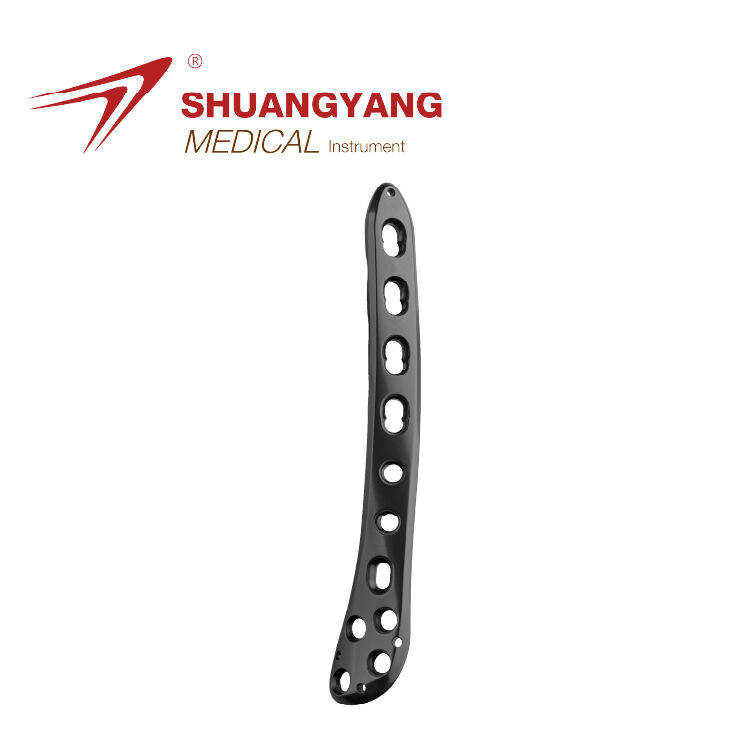
Defining Ease of Revision in the Context of Distal Tibia Plate Selection
The ease of revision basically means how easy it is to modify or take out a plate system during follow-up surgeries without causing much damage to bones, disrupting soft tissues, or making the procedure unnecessarily complicated. When dealing with fractures in the lower part of the tibia, this factor plays a big role in determining how successful the surgery will be. According to recent studies from the Journal of Orthopaedic Trauma published last year, around 40 percent of all orthopedic revision cases actually involve removing or adjusting existing hardware. These days when choosing implants, doctors look for designs that can handle problems like bones not healing properly or infections, while still keeping the bone healthy enough for any necessary operations down the road. Good implant design really makes a difference in long term patient care.
How Long-Term Outcomes Influence Implant Choice and Re-Operation Rates
More and more surgeons are looking at five year results when they choose their fixation systems these days. Studies from multiple centers show that locking plates with those modular screws cut down on repeat surgeries by about 27% over regular systems. Patients can gradually start putting weight on them without needing to replace all the hardware first. For implants that actually protect bone structure right from the start, there's evidence showing around 19% fewer problems later on with bad healing patterns. Makes sense really, because thinking ahead about implant choices pays off big time down the road.
Surgeon Decision-Making: Balancing Initial Stability and Future Revision Needs
Choosing the right plates for fractures means finding a sweet spot between getting things stabilized quickly and making sure there's room to make changes later if needed. Recent research looked at what 482 trauma surgeons actually do in practice, and about two thirds of them consider both aspects pretty much the same when dealing with those tricky lower leg fractures. When picking equipment, doctors need to think about where screws go so they don't mess with important blood vessels, find plates thick enough to hold up but not so bulky they irritate surrounding tissues, and sometimes opt for special screws that come out easier during infections. All these little decisions matter because this balanced approach cuts down on how long patients spend in the operating room for follow-up procedures by around a third, and still keeps most initial treatments successful over 9 out of 10 times.
Common Complications Driving the Need for Revision Surgery
Infection and Soft Tissue Challenges in Open Distal Tibial Fractures
Around 30 percent of open distal tibia fractures end up with post op infections, which frequently means taking out or replacing plates altogether. When there's not enough soft tissue covering the area, it becomes basically an invitation for bacteria to move in, especially those nasty Staph aureus bugs we all know too well from hospital wards. Surgeons who strip away too much periosteum when putting in the first plates actually raise the infection chance by about 40% compared to folks using those minimally invasive methods. That statistic alone should make any orthopedic surgeon think twice before going all out on aggressive exposure techniques during these tricky fracture repairs.
Nonunion, Malunion, and Hardware Failure as Key Indications for Revision
About 15 to 20 out of every 100 distal tibia fractures don't heal properly, what doctors call nonunion. Around 12% of these cases also involve malalignment problems that often require another operation to fix. Locking plates help prevent hardware from failing too soon after surgery, but let's be honest, taking them out later can be a real pain for both patients and surgeons. The newer modular designs are changing things though. These systems make it possible to replace just specific screws instead of pulling everything out completely. Surgeons report that this approach cuts down on operating time by roughly a quarter during follow-up surgeries. It makes managing these tricky complications much more straightforward than traditional methods ever were.
Impact of Fixation Method on Complication Profiles and Revision Likelihood
Compression plates give good initial stability but they actually raise cortical stress shielding levels by around 18 percent, which can lead to higher chances of refraction later on. Polyaxial locking systems work differently though. These allow surgeons to adjust screw angles when doing revision work and tend to preserve more bone stock overall. Bone preservation matters a lot too since about two thirds of repeat surgeries mention this as an important consideration. Looking at what surgeons say, most seem to prefer these adaptable fixation approaches instead of going for maximum rigidity right from the start. Flexibility appears to be winning out because it leaves options open if things don't go perfectly according to plan down the road.
Implant Design Features That Improve Ease of Revision
Modular and Adaptable Plating Systems for Simplified Revision Procedures
Modular distal tibia plating systems enable intraoperative customization and hardware adjustments without complete removal, reducing revision operative time by 18–25% (Journal of Orthopaedic Trauma 2023). These systems adapt to unexpected fracture patterns while maintaining alignment, offering a practical solution for evolving clinical needs.
Bone Preservation Strategies in Initial Plating to Facilitate Future Surgery
Modern plates emphasize minimal cortical contact and strategic screw placement to protect vascular channels. Finite element analysis shows this approach maintains 86–92% of native bone integrity, enhancing readiness for potential revision surgeries and reducing the risk of iatrogenic damage during hardware modification.
Locking vs. Non-Locking Screw Systems: Implications for Implant Removal and Revision
Locking screws enhance initial stability but may lead to cold-welding at the plate interface, complicating removal. Non-locking systems allow faster extraction—up to 30% quicker—but require careful insertion to preserve surrounding bone and ensure future revision feasibility.
Plate-Screw Interface Design and Its Impact on Secondary Surgical Complexity
Conical thread designs and anti-fretting surface treatments reduce screw-plate adhesion by 40% compared to conventional systems. This innovation addresses the most commonly reported technical challenge in 62% of distal tibia revision cases: stuck or corroded fasteners, significantly streamlining secondary procedures.
Evidence Supporting Revision-Friendly Distal Tibia Plates
Re-operation rates in ORIF studies: Data on revision frequency and causes
Research indicates that between 18 to 34 percent of patients who get their distal tibia fractures fixed with open reduction and internal fixation (ORIF) end up needing another operation later on. Most often this happens because the bones just don't heal properly in about 42% of those cases, while problems with the metal hardware account for nearly 30% according to findings published in the Journal of Orthopaedic Trauma last year. A newer approach using modular plate systems has shown promise though. These specialized implants cut down on repeat surgeries by around 22%, mainly since doctors can place bone grafts exactly where needed without having to take out the whole implant first. This not only saves time but also makes the whole healing process more efficient overall.
Case evidence: Reduced revision time with adaptable, modular plate systems
Adaptable plating systems shorten secondary surgery duration by an average of 37 minutes by eliminating complex hardware extraction. A 2024 biomechanical analysis demonstrated that modular configurations retain 94% of initial construct stability during partial plate retention for bone grafting. These systems address key surgeon concerns:
- Preservation of periosteal blood flow via low-contact designs
- Compatibility across screw generations
- Minimized soft tissue disruption during adjustments
Systematic review insights on complications and implant performance
A meta-analysis of 1,203 cases revealed that plates with dynamization capabilities reduce nonunion rates by 41% compared to static systems. Importantly, implants selected with ease of revision in mind decrease total hospitalization by 2.3 days per revision episode through more efficient modification workflows.
Integrating Ease of Revision into Initial Surgical Planning
Proactive planning for secondary surgeries in tibial trauma care
These days, how easy it will be to revise plates later has become really important when choosing implants for surgery. About one third of patients end up needing another operation down the road according to recent research published in the Journal of Orthopaedic Trauma last year. Good surgeons think ahead about tricky spots where bones might not heal properly, try to do things through smaller incisions so they don't waste too much bone tissue, and place metal plates where they won't block blood vessels or nerves that might need attention later on. Looking at actual data from 2023, doctors who planned for possible revisions before starting surgery actually cut down on extra operating time by almost a quarter compared to those who just dealt with problems as they came up during procedures. The study looked at over 200 cases total.
Striking the balance between fixation stability and ease of future revision
Modern plate systems achieve equilibrium between durability and adaptability through innovative design features:
| Design Feature | Stability Benefit | Revision Advantage |
|---|---|---|
| Polyaxial screw locking | Multiplanar fixation | Sequential removal capacity |
| Hybrid plate contours | Cortical compression | Subperiosteal placement |
| Modular segment options | Customized fracture patterns | Partial hardware replacement |
The advanced shaping of these plates allows them to handle the normal stresses our bodies put on them, plus they have those removable parts too. This design balance has been tested using computer models called finite element analysis according to Biomechanics Research from last year. When looking at actual complications, we see why this matters. Monoblock plates cause problems about 19% of the time when doctors try to remove them later, as reported in Clinical Orthopaedics back in 2023. That's why smart design needs to consider what happens throughout the whole healing process, not just initially.
FAQ
What is the significance of ease of revision in fracture management?
The ease of revision in fracture management refers to how easily a plate system can be modified or removed during follow-up surgeries, minimizing bone damage and surgical complications.
Why is ease of revision important for distal tibia fractures?
Ease of revision is crucial for distal tibia fractures because these injuries often require adjustments or removal of hardware in subsequent surgeries to address complications like nonunion or infection.
What role does implant design play in ease of revision?
Implant design significantly influences ease of revision. Modular and adaptable plating systems allow for easier customization and adjustments without complete removal, reducing operative time and complications.
How do modular plating systems benefit secondary surgeries?
Modular plating systems simplify revisions by allowing specific adjustments without full implant removal, thus shortening surgery duration and enhancing recovery efficiency.
What are common complications leading to revision surgeries for distal tibia fractures?
Common complications include infection, soft tissue challenges, nonunion, malunion, and hardware failure, all often necessitating revision surgeries.
Table of Contents
- Defining Ease of Revision in the Context of Distal Tibia Plate Selection
- How Long-Term Outcomes Influence Implant Choice and Re-Operation Rates
- Surgeon Decision-Making: Balancing Initial Stability and Future Revision Needs
- Common Complications Driving the Need for Revision Surgery
-
Implant Design Features That Improve Ease of Revision
- Modular and Adaptable Plating Systems for Simplified Revision Procedures
- Bone Preservation Strategies in Initial Plating to Facilitate Future Surgery
- Locking vs. Non-Locking Screw Systems: Implications for Implant Removal and Revision
- Plate-Screw Interface Design and Its Impact on Secondary Surgical Complexity
- Evidence Supporting Revision-Friendly Distal Tibia Plates
- Integrating Ease of Revision into Initial Surgical Planning
-
FAQ
- What is the significance of ease of revision in fracture management?
- Why is ease of revision important for distal tibia fractures?
- What role does implant design play in ease of revision?
- How do modular plating systems benefit secondary surgeries?
- What are common complications leading to revision surgeries for distal tibia fractures?