 EN
EN
 FR
FR
 ES
ES
 AR
AR

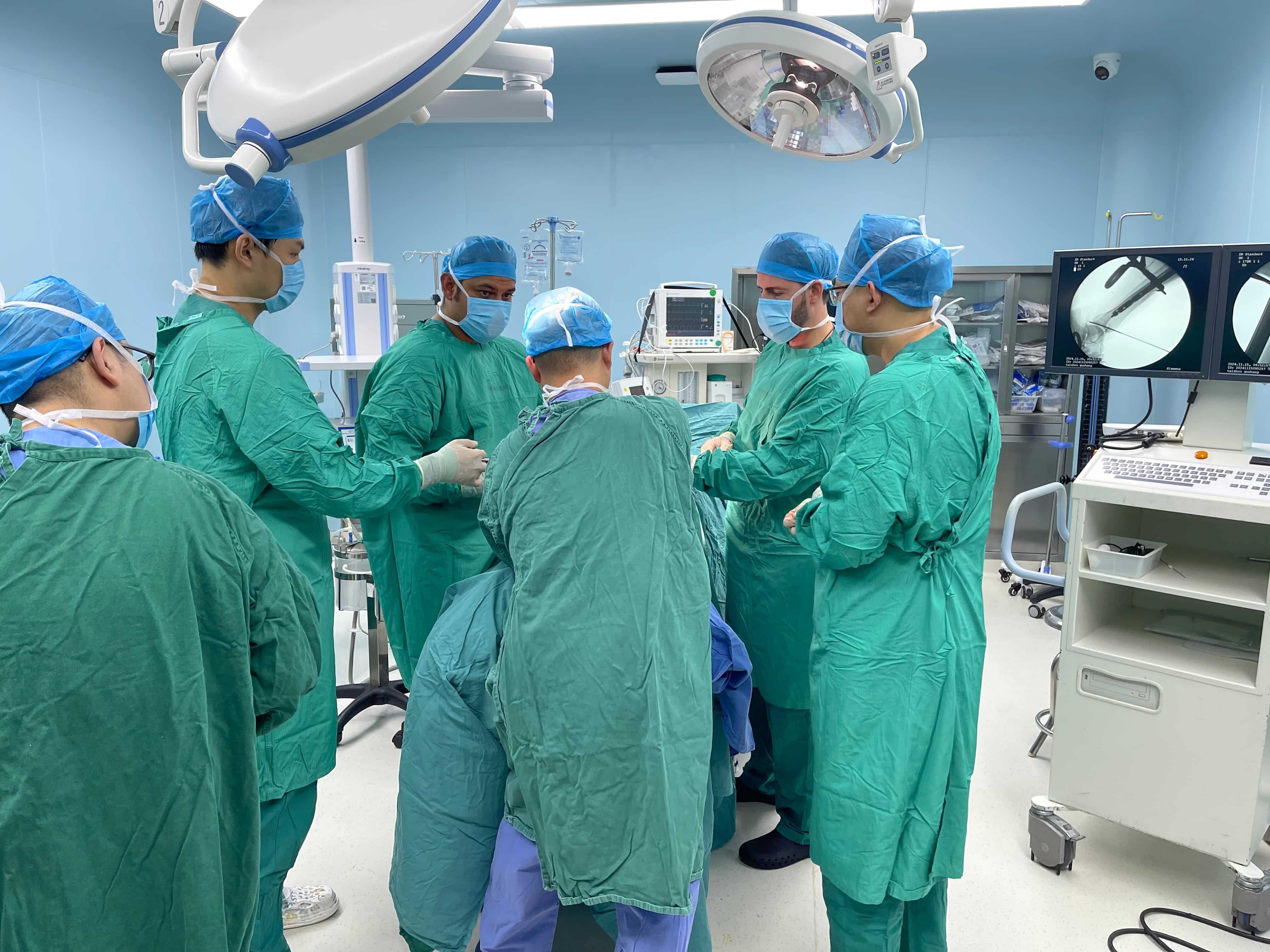
Radiographic Alignment: Foundational Key Performance Indicators for Anatomical Reduction
Radial height, inclination, and volar tilt—evidence-based thresholds and clinical relevance
Getting accurate X-ray measurements is absolutely critical when evaluating how well distal radius volar plate fixations are working. For proper healing, we need to restore radial height within about 2-3 mm compared to the opposite wrist, otherwise patients might end up with shorter wrists and weaker grips down the road. Maintaining at least 15 degrees of radial inclination helps spread forces evenly through the wrist joint, whereas keeping around 11-12 degrees of volar tilt maintains normal wrist movement patterns. These numbers aren't just arbitrary guidelines either. A big study published last year in the Journal of Bone and Joint Surgery looked at over 1,200 cases and found that going outside these ranges increases complications by nearly 27%. Worse still, it also leads to a 40% jump in post-traumatic arthritis cases and significantly slows down recovery times. That's why sticking closely to these parameters makes such a difference in patient outcomes.
Ulnar variance and its association with long-term wrist arthritis and functional decline
When there's more than 2 millimeters of positive alignment after fixation, it becomes pretty clear that degenerative changes are likely to happen. Looking at long term data from multiple studies, people who have over 2 mm of variance tend to develop radiographic arthritis about three times quicker compared to folks with normal or slightly negative variance measurements. The problem here is that this kind of misalignment messes up how the distal radioulnar joint works properly, which explains why many experience ongoing discomfort when rotating their wrists either inward or outward. For cases where the variance goes beyond 3 mm, patients typically score around 30 percent lower on the Patient-Rated Wrist Evaluation scale after two years of observation. Surgeons who correct these issues early on during volar plating procedures significantly cut down the chances of needing another operation later on by roughly two thirds. This makes ulnar variance measurement absolutely critical for anyone following evidence-based approaches to treating traumatic injuries effectively.
Clinical and Functional Key Performance Indicators: Measuring Patient-Centered Outcomes
Grip strength recovery and range of motion as objective surrogates for functional restoration
When looking at recovery from distal radius volar plating surgery, grip strength and range of motion (ROM) stand out as reliable indicators of how well someone is bouncing back functionally. Most folks who stick with their rehab program tend to get back around 80 to 90 percent of their original grip power within about six months, along with pretty much normal movement in their wrist and hand. These numbers matter because they translate directly into real-world abilities like picking things up, holding onto objects securely, or even managing something simple like opening a door. If someone hasn't reached at least 70% of their pre-injury grip strength by week twelve, doctors usually want to take another look at what might be going on beneath the surface. They check for possible issues with the implant not sitting right, improper bone healing, or maybe problems with following through on the rehab plan. Regular checks on wrist flexibility, especially when bending forward, backward, and rotating outward, can catch potential problems early before they become serious concerns related to stiffness, hardware causing discomfort, or tightness in surrounding tissues.
Patient-reported outcomes (DASH, PRWE) and return-to-activity benchmarks
The Patient Reported Outcome Measures (PROMs) like DASH for arm, shoulder, and hand issues and PRWE for wrist problems track important aspects of recovery such as pain levels, how well someone can function, and overall satisfaction something X-rays just can't show us. Most patients who score below 15 on DASH and under 20 on PRWE at six months tend to get back into activities pretty reliably around week six for lighter tasks and between weeks twelve to sixteen for manual work. Studies have found about an 85 percent link between these scores and whether people actually return to work after injury. This makes PROMs really valuable tools for judging how effective treatments are, not just looking at bones and joints but understanding real-life impact. They've become key performance indicators in modern trauma orthopedics where patient experience matters as much as medical results.
Implant-Related Key Performance Indicators: Stability, Complication Rates, and Revision Risk
Reduction loss, hardware prominence, and symptomatic implant failure—incidence, timing, and preventable factors
The key performance indicators specific to implants play a big role in getting good results when using volar plating for distal radius fractures. We see loss of reduction happening around 4 to 12 percent of the time, usually within the first six weeks after surgery. This tends to happen because of how the operation was performed, the quality of the bone, and whether the patient starts putting weight on the arm too soon. Hardware that sticks out beneath the skin is another problem, affecting between 8 and 20 percent of people, making it the main reason doctors have to go back in for second surgeries. Standard volar locking plates fail symptomatically about 4 percent of the time overall. Infections account for anywhere from 1 to 30 percent of these failures, depending on how complicated the fracture was and what other health issues the patient might have. Things we can actually do something about include placing the plate incorrectly, choosing the wrong kind of implant for someone with weak bones, and not giving clear enough instructions about moving the wrist after surgery. Problems that show up early, within six weeks, generally come down to technical mistakes during the procedure. But failures that happen later, beyond three months, tend to be more about biological factors like osteoporosis or just plain bad bone healing. Taking extra care with X-ray imaging during surgery cuts down on reduction loss by about a third, while following established protocols reduces the need for revisions by nearly 30 percent according to recent research published in BMC Musculoskeletal Disorders last year.
Time-Dependent Key Performance Indicators: Tracking Recovery Across the Trauma Care Continuum
Managing distal radius fractures effectively needs careful tracking of key performance indicators at different stages of treatment. In the acute phase, which covers the first six weeks, doctors focus on keeping wounds clean, controlling swelling, and getting patients started with gentle movement exercises. Around week six to twelve, attention shifts to checking how well bones are healing on X-rays, making sure range of motion happens without pain, and beginning strength training. The longer-term view from three to six months looks at whether someone can regain grip strength, get back to their regular activities, and complete standardized assessments like the DASH score and PRWE questionnaire. Healing doesn't follow the same timeline for everyone though. Factors such as bone density, overall health conditions, whether someone smokes, and how committed they are to physical therapy all play a role in recovery speed. Regular checkups using multiple evaluation methods help catch problems early like slow healing, issues with implants, or lack of progress. Catching these red flags sooner rather than later makes a big difference in preventing long-term complications and helping patients maintain their quality of life after injury.
FAQ
Why are radial height, inclination, and volar tilt important?
Radial height, inclination, and volar tilt are crucial because they promote proper healing and function of the wrist, reducing complications and post-traumatic arthritis.
How does ulnar variance affect wrist arthritis?
Positive ulnar variance can lead to quicker development of radiographic arthritis and functional decline due to disrupted distal radioulnar joint mechanics.
What indicators measure functional recovery after wrist surgery?
Grip strength recovery and range of motion are key indicators of functional recovery, determining the patient's ability to perform daily tasks.
What role do patient-reported outcomes play in recovery assessments?
Patient-reported outcomes, such as DASH and PRWE scores, track recovery aspects beyond physical measurements, providing insight into pain, function, and satisfaction.
Table of Contents
- Radiographic Alignment: Foundational Key Performance Indicators for Anatomical Reduction
- Clinical and Functional Key Performance Indicators: Measuring Patient-Centered Outcomes
- Implant-Related Key Performance Indicators: Stability, Complication Rates, and Revision Risk
- Time-Dependent Key Performance Indicators: Tracking Recovery Across the Trauma Care Continuum
- FAQ