 EN
EN
 FR
FR
 ES
ES
 AR
AR
Biomechanical Rationale: How Anatomical Contouring Improves Bone-Plate Integration
Reducing mechanical mismatch between plate geometry and complex craniofacial bone topography
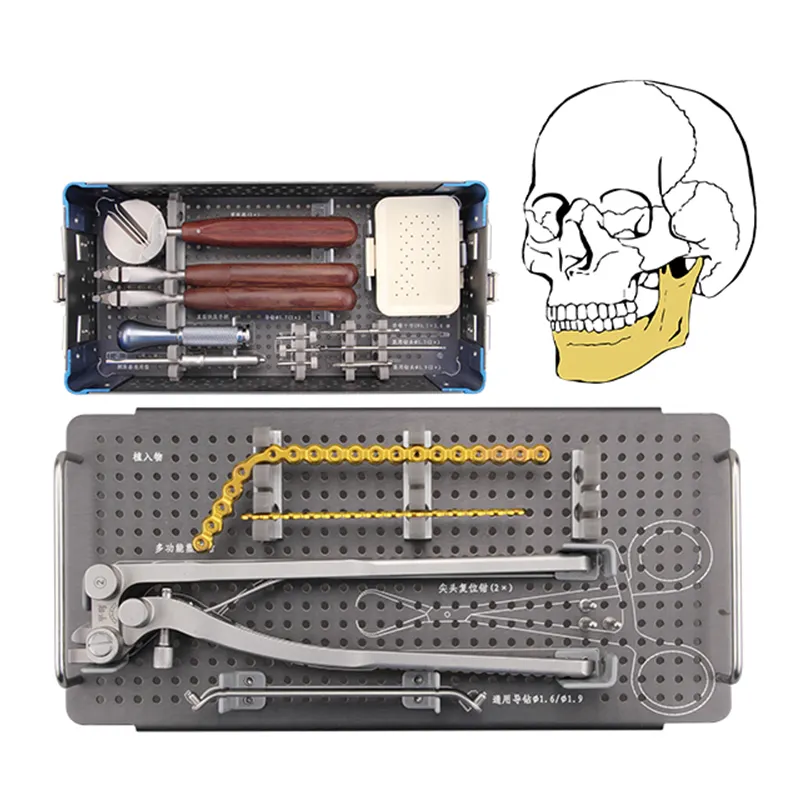
Maxillofacial plates shaped to match facial bone contours tackle one of the biggest problems in facial surgery: dealing with those naturally irregular bone surfaces. Traditional flat plates need a lot of bending during surgery to fit areas like the floor of the eye socket or cheekbone region. This bending creates small gaps between the plate and bone, leads to uncomfortable pressure spots, and spreads force unevenly across the face. The newer pre-shaped plates actually follow the unique shape of each person's skull and face, making contact with about 95 to 98 percent of the bone surface area compared to only around 60 to 75 percent when using standard plates. Better contact means no concentrated stress points that can lead to tiny fractures later on. Plus, chewing forces get spread out properly across all the attachment points, which is really important for getting good results after reconstructing the middle part of the face or jaw.
Minimizing stress shielding and promoting physiological load transfer at orbital, zygomatic, and mandibular sites
When rigid implants are used, they often cause something called stress shielding, which basically means the implant takes over too much of the workload from the healing bone tissue, making it weaker over time. That's where anatomically shaped plates come into play. These plates have been designed with different levels of flexibility built right in. The parts that sit in areas needing more movement, like the corner of the jawbone, are made thinner so there's just enough wiggle room for healthy micro movements during recovery. Meanwhile, the sections placed against stable structures such as the cheekbone area stay thick and strong to keep everything properly fixed in place. This kind of smart engineering actually mimics how our bodies naturally distribute forces across bones, helping maintain bone health while still providing necessary support. Studies indicate that when these contoured plates are used instead of regular ones, we see about 30 to 40 percent less bone loss happening around them. This reduction not only makes the implanted hardware last longer but also helps the body accept the implant better over time.
Operational Advantages: Efficiency, Accuracy, and Predictability in Surgery
Cutting intraoperative contouring time by up to 78%—evidence from Le Fort I osteotomies
The use of anatomically shaped plates takes away the need for bending during surgery, which can cut down on contouring time significantly during Le Fort I procedures. Surgeons have found that this makes operations faster overall because patients spend less time under anesthesia, there's less bleeding, and they handle implants fewer times, which naturally lowers the chance of infections happening. The benefits become really apparent when working on tricky areas such as around the eye socket and cheekbone region. Traditional metal plates just don't fit right there without lots of back and forth adjustments, something that nobody wants during delicate facial surgeries.
Enabling 'fit-and-fix' workflows through virtual surgical planning (VSP) and intraoperative navigation
Virtual Surgical Planning or VSP takes those diagnostic CT scans and turns them into custom plates that match the unique shape of a patient's face almost exactly. Pair this technology with real-time navigation during surgery, and surgeons can achieve what we call sub-millimeter "fit and fix" results without needing to adjust anything on the spot during the operation itself. The impact is pretty significant across several areas. For instance, when working on orbital floors and cheekbones, the fit gets much better. Surgeons report about a 40% drop in needing to redo procedures for patients who've suffered midface injuries. What makes all this so valuable? Well, these tiny differences in measurement matter a lot for both how well things function after surgery and how they look aesthetically speaking. Getting those measurements right changes everything for recovery outcomes.
Clinical Impact: Lower Complication Rates and Enhanced Patient Outcomes
3.2×—lower risk of soft tissue irritation and palpable hardware versus non-contoured plates
Clinical studies across multiple centers have found that using plates shaped to fit anatomy reduces soft tissue problems by about three times compared to standard approaches. These issues include things like feeling metal under skin, ongoing inflammation, and wounds reopening after surgery. When there are no gaps between the plate and bone, the hardware doesn't move around or rub against sensitive facial areas where the skin is really thin, such as around the eye socket and cheekbone region. Better compatibility with body tissues means doctors don't need to go back in for adjustments so often, which saves patients from extra procedures down the road.
Improved aesthetic symmetry and functional recovery in midface reconstruction
The pre-contoured plates help bring back the face's natural shape right away, which is really important when dealing with trauma cases or cancer reconstructions. When we get the orbital volume just right, it makes all the difference for vision and keeping the eye where it should be. Getting those cheekbones and jaw bones aligned properly also means patients can chew food better after surgery. These plates work so well because they cut down on how much bone moving happens during operations. This approach actually helps maintain blood flow to the area, which speeds up healing for both bones and surrounding tissues. Most people who have had this procedure notice they look more symmetrical and feel much better about their ability to talk, eat normally again, and express themselves through facial movements as time goes on.
Adoption Landscape: Balancing Innovation, Regulation, and Cost for Widespread Use
Getting anatomically shaped maxillofacial plates widely accepted depends on finding the right mix between cutting edge technology and what actually works in practice. The main hurdles? Manufacturing these plates is expensive, and getting them approved takes time through processes like FDA Class II clearance plus all the ISO 13485 requirements for biocompatibility testing. But surgeons are seeing real advantages that make these plates worth fighting for. Operating rooms run smoother when surgeries take less time, patients need fewer follow-up procedures, and tissues heal better around these custom shapes. This has led manufacturers to explore ways to cut costs, looking at things like 3D printing techniques and newer titanium alloys. Insurance companies are starting to catch on too. When there are fewer complications down the road, hospitals save money overall because they don't have to deal with so many repeat operations or extended recovery periods. As more data comes in from actual clinics and operating rooms across the country, it becomes harder to ignore the financial and medical benefits. More and more facial reconstructive specialists are beginning to see these contoured plates not just as a nice option but as something that should be standard practice for certain types of craniofacial work.
FAQ
What are the benefits of anatomically shaped maxillofacial plates? They offer better bone-plate integration, reduce intraoperative time, minimize complications, and improve both aesthetic and functional outcomes.
How do these plates minimize stress shielding? They mimic natural bone flexibility by having variable thickness to promote physiological load transfer, reducing bone loss around the implant.
Why are shaped plates considered operationally advantageous? They reduce surgery time, increase precision through virtual planning, and lower the risk of redo procedures with 'fit-and-fix' workflows.
What challenges exist for widespread adoption? High manufacturing costs and regulatory hurdles exist, but benefits in surgery efficiency and reduced complications make them increasingly popular.
Table of Contents
- Biomechanical Rationale: How Anatomical Contouring Improves Bone-Plate Integration
- Operational Advantages: Efficiency, Accuracy, and Predictability in Surgery
- Clinical Impact: Lower Complication Rates and Enhanced Patient Outcomes
- Adoption Landscape: Balancing Innovation, Regulation, and Cost for Widespread Use