 EN
EN
 FR
FR
 ES
ES
 AR
AR

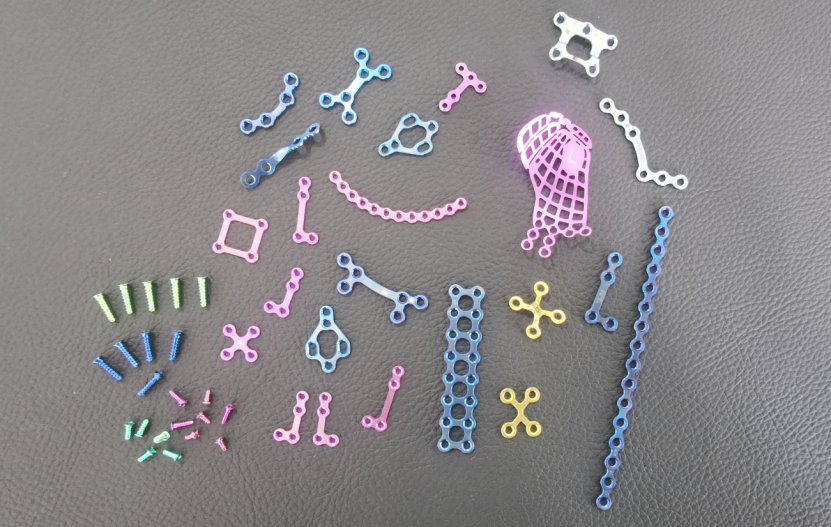
The Importance of Cleaning Validation for Orthopedic Implants
Ensuring patient safety through effective cleaning validation of trauma implants
Cleaning validation simply cannot be ignored when it comes to trauma implants such as the Synthes calcaneal plate. Leftover contaminants on these medical devices present serious risks to patients' health and safety. When surgical debris, biological material, or manufacturing particles remain on implant surfaces after processing, they can cause inflammation, slow down healing processes, or even lead to device failure. This becomes particularly problematic with implants that come into contact with bones or soft tissues since infection risks go up significantly in those situations. Proper validation ensures that the cleaning process actually works every time to eliminate these dangerous substances. According to FDA regulations, there needs to be clear documentation showing that cleaning procedures bring residue levels down to medically safe thresholds typically around 0.5 micrograms per square centimeter for organic materials and under 1 microgram per square centimeter for inorganic particles. Hospitals that skip proper validation run the real danger of putting contaminated devices into patients bodies, which not only harms individuals but also creates major problems with regulatory requirements.
Unique cleaning challenges posed by the geometry and use of the Synthes calcaneal plate
Cleaning validation for Synthes calcaneal plates poses serious challenges because of their complex design and how they're used clinically. The plates have multi-planar contours, tiny screw holes (some less than 2 mm), and rough surfaces that form little hiding spots for blood, bone bits, and fatty substances when fixing heel fractures. These physical characteristics make it really hard for cleaning solvents to get into all the nooks and crannies, and regular scrubbing just doesn't work as well as needed. Standard cleaning protocols fall short here, so special methods are required. What's worse, these plates endure massive stress in weight bearing areas of the foot. Any leftover cleaning chemicals can actually speed up metal corrosion or weaken the plate material over time. For proper validation, tests need to simulate the worst possible scenarios. This includes using artificial bone marrow mixtures and synovial fluid to mimic what happens in actual surgical settings.
ASTM F3206: Standard Framework for Cleaning Validation of Reprocessable Devices
Overview of ASTM F3206 and its relevance to Synthes calcaneal plate reprocessing
The ASTM F3206 standard offers a reliable way to check if cleaning works properly on medical devices that get used again and again, including things like orthopedic hardware such as the Synthes calcaneal plate. This guideline sets out clear methods for finding leftover proteins, blood components, and dangerous bacteria fragments that might still be stuck after cleaning. These tests matter because even tiny amounts can cause problems for patients later on. When facilities follow ASTM F3206 standards, they show regulators they're doing things right and also cut down chances of spreading infections between patients. The calcaneal plate presents special challenges since its design has lots of nooks and crannies where dirt tends to hide. That's why having this kind of validation process is so important for making sure the device stays clean through all those repeated sterilizations over time.
Applying residue limits and validation methods from ASTM F3206 to complex implants
Implementing ASTM F3206 for the Synthes calcaneal plate requires adapting core principles to address its structural complexity. Key adaptations include:
- Accelerated soil testing targeting worst-case retention areas (e.g., sub-2 mm screw holes)
- Specialized extraction techniques, such as enhanced swabbing and modified rinse volumes, to access micro-crevices
- Multi-metric verification, combining visual inspection, TOC analysis, and microbiological sampling to confirm comprehensive residue removal
| Validation Challenge | ASTM F3206 Adaptation |
|---|---|
| Residual protein detection | Enhanced swab techniques for micro-crevices |
| Endotoxin clearance | Modified rinse volume calculations |
Per FDA guidance, validated cleaning must consistently achieve residue levels below 6.4 µg/cm² across three consecutive successful cycles.
Critical considerations: Limitations of ASTM F3206 for intricate implant designs
ASTM F3206 provides some basic framework, but when it comes to really complicated implants such as the Synthes calcaneal plate, this standard just doesn't cut it. The problem is that the residue limits set by ASTM don't actually consider specific risks associated with certain devices. Think about things like those porous titanium coatings we see so often, how different alloys react with various cleaning agents, or what happens to materials over time when exposed repeatedly to chemicals. Because of these gaps, medical facilities need to go beyond what ASTM F3206 offers and implement additional protocols tailored specifically to their equipment and procedures.
- Device-specific worst-case testing that exceeds minimum requirements
- Material compatibility studies tracking corrosion, pitting, or surface roughness changes after repeated reprocessing
- Site-specific microbial challenge tests using biofilm-forming strains (S. aureus, P. aeruginosa) to reflect clinical contamination patterns
These enhancements ensure cleaning validation addresses the unique bioburden removal and material safety challenges inherent to complex trauma implants.
Residue and Bioburden Control in Synthes Calcaneal Plate Reprocessing
Defining Acceptable Residue Levels for Trauma Fixation Implants
Setting proper residue limits based on science is really important when it comes to cleaning standards for orthopedic implants. Take trauma fixation devices such as calcaneal plates for example. The challenge lies in finding the right balance between getting rid of organic stuff like blood and tissue, while also dealing with inorganic residues from detergents and other processing chemicals. According to ISO 19227 guidelines, we should aim for no more than 10 micrograms per square centimeter of cytotoxic substances. But this gets complicated with implants that have intricate shapes. Recent studies published in the Journal of Orthopedic Research back in 2023 found something interesting: those little crevices in calcaneal plates actually hold about 37 percent more protein residue compared to flat implants. This discovery highlights why manufacturers need to map out the worst case scenarios throughout the whole device surface. Techniques like FTIR spectroscopy and HPLC analysis become essential tools for measuring exactly where these residues end up sticking around.
Validating Effective Bioburden Removal in Calcaneal Plate Cleaning Protocols
For effective bioburden removal validation, it's essential to mimic actual contamination conditions found in practice. Standard protocols involve introducing known quantities of S. aureus and P. aeruginosa onto medical devices, followed by testing for reductions through methods like ATP bioluminescence assays and traditional microbial culture techniques. Research shows that calcaneal plates with their complex threading and textured surfaces tend to have about 22 percent less effective bioburden removal specifically in those screw hole areas compared to smoother sections according to a study published in Biomedical Instrumentation & Technology last year. Getting good results from these validations means constantly tweaking various cleaning factors such as how long we clean for, what temperatures are used, and the specific ultrasonic frequencies applied. The goal is always reaching at least a three log drop in pathogens while still keeping the device's structural strength intact and preserving its surface quality for proper function.
Synthes Calcaneal Plate as a Worst-Case Device in Cleaning Validation
Rationale for selecting the calcaneal plate as a worst-case scenario for validation testing
The Synthes calcaneal plate stands out as one of the toughest nuts to crack when it comes to cleaning validation because of how its design and function combine to create major challenges. Think about those overlapping edges, tiny screw holes (some less than 1mm wide), and all sorts of uneven surfaces that basically become little hiding spots for stubborn biological residue. Once this implant goes into the heel bone, which happens to be the biggest bone in the foot, it gets surrounded by thick bone marrow and really sticky soft tissues that just won't let go of metal surfaces. This makes the calcaneal plate far more difficult to clean properly compared to most other orthopedic implants we see around. Standards organizations have actually recognized this through guidelines such as ASTM F3206, which specifically recommend using these kinds of complicated devices for worst-case scenario testing. After all, if a hospital can successfully validate their cleaning processes against something as challenging as the calcaneal plate, they're showing they understand what's needed from a regulatory standpoint and are making smart investments too. And let's face it, nobody wants another incident where poor reprocessing leads to problems with trauma implants since these continue to be among the top causes of avoidable safety issues in patients.
FAQ
What is the purpose of cleaning validation for orthopedic implants?
Cleaning validation ensures that any leftover contaminants like surgical debris or biological materials are effectively removed from the implants, thus protecting patient health and reducing the risk of infections and device failure.
What are some unique cleaning challenges for the Synthes calcaneal plate?
The complex design of the Synthes calcaneal plate, with its multi-planar contours and tiny screw holes, makes it difficult to clean using standard protocols. Specialized methods are required to reach all areas to remove residues effectively.
How does ASTM F3206 standard apply to cleaning validation of orthopedic implants?
ASTM F3206 provides methods for detecting leftover proteins and bacteria on medical devices. It is particularly relevant for complex devices like the Synthes calcaneal plate to ensure thorough cleaning and compliance with regulatory standards.
Why is the Synthes calcaneal plate considered a worst-case device for validation testing?
Its intricate design and common use in weight-bearing areas make it challenging to clean, thus representing a worst-case scenario that ensures robust validation processes are in place when used as a testing model.
Table of Contents
- The Importance of Cleaning Validation for Orthopedic Implants
- ASTM F3206: Standard Framework for Cleaning Validation of Reprocessable Devices
- Residue and Bioburden Control in Synthes Calcaneal Plate Reprocessing
- Synthes Calcaneal Plate as a Worst-Case Device in Cleaning Validation
-
FAQ
- What is the purpose of cleaning validation for orthopedic implants?
- What are some unique cleaning challenges for the Synthes calcaneal plate?
- How does ASTM F3206 standard apply to cleaning validation of orthopedic implants?
- Why is the Synthes calcaneal plate considered a worst-case device for validation testing?