 EN
EN
 FR
FR
 ES
ES
 AR
AR

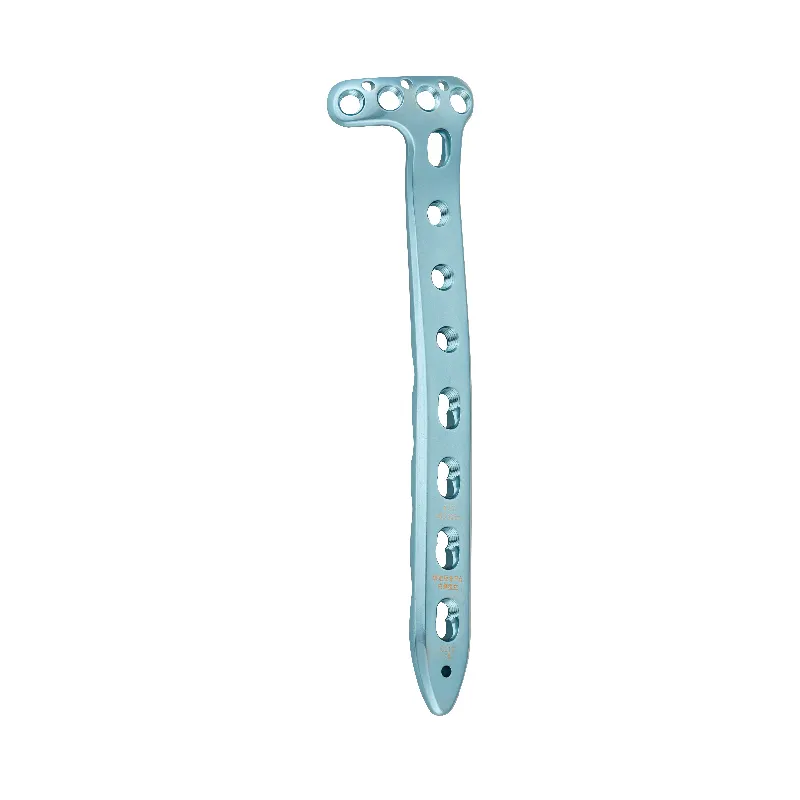
Reducing Soft Tissue Complications with Low-Profile Distal Tibia Medial Plates
Hardware Prominence and Its Link to Postoperative Irritation and Revision Surgery
The problem of hardware sticking out remains one of the main reasons patients face complications after fixing broken bones in the lower part of the tibia. Standard thick metal plates put pressure on the delicate soft tissues on the inside of the leg, causing ongoing irritation for around 12 to 18 percent of people who get them. This often means going back under the knife for another operation, which costs more money and slows down healing time according to recent studies from the Journal of Orthopaedic Trauma. Low profile plates designed specifically for the medial side of the distal tibia address this issue head on by keeping implants closer to the bone surface. These thinner plates create less rubbing against tendons and skin, so they help maintain better protection over soft tissues and reduce chances of infections developing. Clinical experience shows surgeons have seen about a third fewer repeat operations needed for soft tissue problems when using these newer plate designs instead of traditional ones during treatment of complex ankle fractures.
Improved Patient Comfort and Functional Outcomes via Reduced Implant Palpability
Low profile plates do more than cut down complications; they really make a difference in how comfortable patients feel during recovery. When shaped just right to match the bones, these plates lie flat against the inside of the ankle area, which takes pressure off the tendons, nerves, and skin above them. Patients can actually wear shoes without pain, move their ankles freely, and stick better to their physiotherapy routines because of this. Studies have found something interesting too: people with low profile plates tend to put weight on their feet about 22% sooner after surgery, which means getting back to normal activities much faster. Surgeons specializing in foot and ankle injuries now look at plate thickness as pretty important factor. It's not just about keeping things stable anymore; it plays a big role in whether someone will recover well and stay happy with the results months later.
Enabling Early Rehabilitation Through Biomechanical and Biological Advantages
Early Weight-Bearing Support Enabled by Low-Profile Distal Tibia Medial Plates
The low profile design of distal tibia medial plates allows patients to start putting weight on their legs sooner because they spread out pressure better around the broken bone area. These plates are thinner which means less stress on surrounding tissues while still keeping everything stable enough for proper healing. Most people who get these special implants can try walking with some weight on them about two to three weeks earlier compared to traditional metal plates. According to research published in the Journal of Orthopaedic Surgery last year, this leads to roughly 18 percent faster recovery times overall. The real benefit comes from how the screws and plate are positioned based on actual body mechanics principles. They hold up against sideways forces but leave enough room for normal ankle movement when needed.
Preservation of Periosteal Blood Supply with Limited-Contact, Low-Profile Design
Modern low profile plates have a smaller contact area which actually helps keep blood flowing to the bones during healing. Traditional plates tend to press down on large areas of bone and can block as much as 40% of the blood supply there. But the newer designs incorporate clever cutouts and only touch small parts of the bone surface, so they don't interfere with those important blood vessels. Some recent X-ray studies show that patients with broken lower leg bones heal about 31% quicker when using these new plates according to research published last year in Clinical Orthopaedics. These plates let doctors start getting patients moving sooner after surgery, which means less stiffness and fewer problems with joints locking up over time, all while still providing solid support for the healing bone.
Design Innovation: How Anatomy-Guided Engineering Meets Surgeon Needs
Contour-Matched Geometry for Optimal Fit Over Distal Tibia Medial Surface
Contour matching has become pretty much essential for those modern day low profile plates used on the medial side of distal tibias. With the help of advanced imaging techniques combined with detailed 3D models, engineers can now recreate the natural curve of this specific area down to almost exact measurements. When implants actually match the body's contours properly, there are no gaps between the metal plate and bone surface which would otherwise cause instability issues plus lots of soft tissue problems later on. Getting good contact between implant and bone does two things at once it makes the device less noticeable under skin while keeping blood flowing through surrounding tissues, so healing happens better mechanically and biologically speaking. Plus, getting rid of all those sharp corners and sticking out parts means patients experience far less pain after surgery, something surgeons really care about when looking at actual results from their procedures.
Balancing Mechanical Strength and Minimal Profile in Modern Foot Surgeon—Preferred Plates
The current generation of low profile distal tibia medial plates represents a carefully engineered compromise between strength and size. Made primarily from titanium alloys, these plates offer exceptional strength relative to their thickness, which is critical for holding bones together during normal body movements. Manufacturers have strategically reduced material in areas where weight bearing isn't required, and they position screw holes based on computer modeling to spread out pressure across the implant surface. This helps avoid problems like metal fatigue or bone weakening around the implant site. Modern versions now measure less than 2mm thick at important contact points with the bone, representing about a 40% improvement over older models from just a few years ago. Despite being so thin, they still provide enough stability for patients to start putting weight on their legs sooner after surgery. Surgeons increasingly rely on these plates because they combine solid mechanical performance with better healing outcomes for fractured ankles.
Frequently Asked Questions
What are low-profile distal tibia medial plates?
Low-profile distal tibia medial plates are thin metal implants designed to stabilize fractures on the medial side of the distal tibia while minimizing soft tissue irritation.
Why are traditional tibia plates more problematic?
Traditional thick metal plates can cause pressure on soft tissues, leading to irritation, increased risk of infections, and the need for revision surgeries.
How do low-profile plates improve patient recovery?
These plates reduce soft tissue irritation, allow for earlier weight-bearing, and support faster recovery due to their design that accommodates natural body mechanics.
What is the significance of contour-matching in these plates?
Contour-matching ensures the implant fits snugly against the bone, minimizing gaps that could lead to instability or tissue problems, while maintaining proper blood flow.