 EN
EN
 FR
FR
 ES
ES
 AR
AR

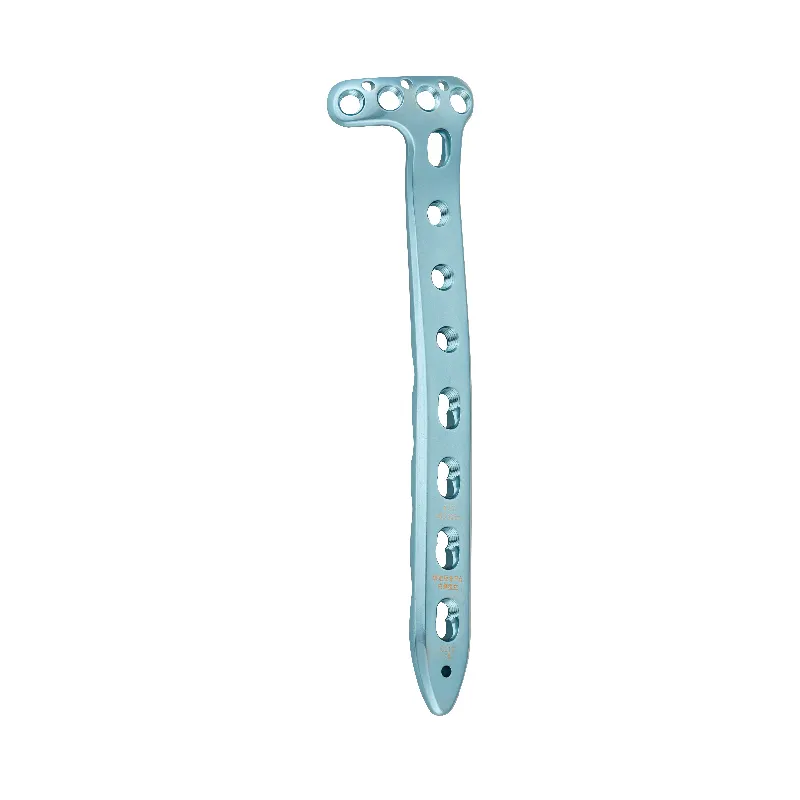
Ensuring Clinical Readiness in Trauma Emergencies
In trauma situations, getting hold of specialized implants such as distal tibia locking plates can mean the difference between life and death. Every minute counts, so hospitals need these devices right when they're needed most. That's where the consignment model comes in handy for distal tibia locking plates. Basically, hospitals keep stock of these plates on site but don't actually own them until they're used. This means surgeons can grab what they need instantly during emergency procedures without waiting for shipments. For orthopedic teams dealing with complex fractures that absolutely must be stabilized quickly, this system works wonders. It bridges the gap between the frantic pace of emergency medicine and the practical realities of hospital supply chains.
Unpredictable Demand for Distal Tibia Locking Plates in Emergency Settings
The number of orthopedic trauma cases varies all over the place, especially when we see spikes in distal tibia fractures during times when people are doing lots of high impact stuff or having accidents. These kinds of injuries just don't follow a schedule like regular surgeries do, which creates wild swings in demand that really mess with traditional inventory systems. That's where vendor managed inventory comes in handy because it can adjust stock levels as needed. Take one regional trauma center for instance; they saw their plate usage jump around by about 40% from month to month last year according to recent numbers. This kind of variation explains why keeping fixed amounts on hand simply doesn't work. With consignment models though, hospitals get what they need exactly when they need it without running out or ending up with too much stuff collecting dust in storage rooms.
Eliminating Procurement Delays During the Golden Hour of Trauma Care
We all know about the golden hour, that crucial first hour after someone gets injured when quick action really matters. But getting those implants into surgery is another story altogether. The usual way of ordering stuff through purchase orders, waiting for approvals, then dealing with shipping? That whole process can take well over ninety minutes, which means patients might miss their best chance at recovery. Enter consignment models. These systems keep surgical plates right at the hospital site, owned by manufacturers until they're actually used. No more waiting around for shipments. Just grab what's needed when it's needed. Some Level II trauma centers have seen amazing results from this approach, cutting down surgical delays by about 72 percent according to a recent study in 2024. When hospitals shift the inventory burden to suppliers instead, they save money upfront while making sure those plates are always ready to go in the operating room during emergencies.
Case Study: Reducing OR Delays at a Level I Trauma Center with Consignment
One major Level I trauma center saw their operating room delays drop dramatically from around 48 minutes down to just 12 minutes once they started using RFID tracking for consigned distal tibia plates. Before this change, surgeons would constantly run into problems finding the right implants during those late night or weekend emergency cases, which meant making frantic phone calls to vendors at all hours. The new consignment system basically works like a smart alert network that automatically notifies staff when inventory gets low enough to trigger restocking before it becomes an issue. Six months later, the hospital reported a 34% decrease in canceled surgeries and managed to cut down expired implant waste by nearly 20%. These results show why consignment makes such good sense not just for keeping inventory levels right but also for improving patient care speed. For busy trauma centers handling hundreds of critical cases each month, cutting those wait times can literally mean saving lives.
Optimizing Hospital Capital and Inventory Financials
Avoiding 18–24 Month Capital Lockup in Non-Consigned Implant Inventory
When hospitals buy distal tibia locking plates upfront, they end up tying up money for anywhere between 18 to 24 months just waiting for these devices to be used. The old way of buying in bulk locks away serious cash amounts too - we're talking over $740,000 each year according to the Ponemon Institute from 2023 research. All that money sits idle while some of these plates might actually expire or get outdated before anyone even gets around to using them. That's where consignment arrangements come in handy. With this model, hospitals don't pay until the actual surgery happens, which means their cash stays available for things that matter more right now like upgrading MRI machines or sending nurses to specialized training programs. Most hospital administrators find this makes better sense financially since it turns those big upfront costs into something more manageable spread out over time rather than huge lump sums sitting on shelves collecting dust.
Shifting Inventory Ownership Risk to Manufacturers Pre-Implantation
With consignment deals in place, manufacturers keep control over distal tibia plates right up until they're actually implanted in patients. This arrangement shifts important financial burdens away from hospitals including things like products expiring before use, becoming outdated, or facing unpredictable demand changes. According to research published in the Journal of Healthcare Finance back in 2024, trauma centers can save well over $220,000 each year by avoiding those costly write-offs for expired orthopedic equipment. Plus, these arrangements help ensure that all the plates being used are meeting today's medical standards. The way this works is pretty clever too. Suppliers manage their own inventory so they have every reason to keep stock at just the right level and push forward with better design innovations. What we end up with is a working relationship where everyone involved cares more about actual patient results than simply keeping track of boxes in storage rooms.
| Financial Factor | Traditional Purchase | Consignment Model |
|---|---|---|
| Capital Commitment | Upfront (100%) | Post-usage |
| Expiration Liability | Hospital bears | Manufacturer bears |
| Inventory Write-off Risk | High (23% waste) | Near-zero |
Mitigating Supply Chain Risks: Stockouts, Expiry, and Cost Instability
Reducing Waste from Expired Orthopedic Implants: 23% Reduction Post-Consignment
When hospitals switch to consignment models for those distal tibia locking plates, they really cut down on the problem of expired inventory that plagues traditional stockrooms. According to recent data from trauma centers across the country, there's been about a 23 percent drop in wasted orthopedic implants since making this change back in 2023 according to Orthopedic Materials Journal. The way these consignment arrangements work is pretty smart actually – manufacturers keep control of their products right up until they're implanted in patients, so if something expires before being used, they just replace it without charging the hospital anything extra. This saves money obviously, but more importantly keeps patients safe from getting outdated hardware. Plus, with all those barcodes scanning in real time now, surgeons rarely end up with plates in their trays that will expire within weeks anyway.
Balancing Clinical Needs and Inventory: Does Consignment Encourage Overstocking?
Some people worry that consignment models lead to too much inventory sitting around, but tiered stocking agreements actually help match how many plates are needed with the number of surgeries happening. Big Level I trauma centers tend to keep their stockpiles at much higher levels compared to smaller rural hospitals, which naturally avoids having too many unused items lying around. Most medical facilities sit down with their suppliers every three months to go over what's been used and tweak those minimum stock numbers according to real world surgery patterns. This kind of regular check-in helps hospitals save money they would otherwise tie up in excess inventory, all while making sure they have what they need when emergencies hit unexpectedly.
Technology-Driven Visibility and Control in Consignment Models
Mandating RFID and Barcode Tracking for Real-Time Distal Tibia Plate Monitoring
For hospitals using consignment models, RFID technology along with traditional barcodes are now essential when it comes to tracking distal tibia locking plates. These systems give staff real time views of where inventory is located throughout both storage areas and operating rooms, which means fewer instances where surgeons need to wait for critical implants during emergency trauma cases. The best part? Real time alerts pop up when plates are getting close to their expiration dates, so no one accidentally uses something past its prime. This kind of accuracy helps hospitals maintain optimal stock levels right when they need them most, and interestingly enough, it also transfers much of the financial risk back onto manufacturers who handle inventory management. Combine all this with vendor managed inventory programs and studies from orthopedic supply chains show around a 30% drop in inventory errors over the last few years.
Automation as a Foundation for Scalable Consignment Management
Inventory automation transforms consignment models into scalable frameworks. It reduces manual errors by 40% while enabling multi-facility expansion through standardized protocols.
FAQs About Consignment Models in Trauma Care
What are distal tibia locking plates?
Distal tibia locking plates are specialized implants used in orthopedic surgeries to stabilize fractures in the distal tibia, which is the lower section of the shin bone.
How does a consignment model benefit hospitals during emergencies?
Consignment models benefit hospitals by allowing them to have immediate access to essential implants without upfront purchases. They ensure that hospitals have necessary inventory during emergencies without waiting for shipments or dealing with procurement delays.
Do consignment models lead to overstocking?
Consignment models can avoid overstocking by implementing tiered stocking agreements based on surgical needs and regular reviews of inventory levels with suppliers.
What technologies are used to manage consignment inventory?
Technologies like RFID and barcode tracking are essential for managing consignment inventory. These systems enable real-time monitoring of inventory levels, reducing expired stock and ensuring timely restocking before shortages occur.