 EN
EN
 FR
FR
 ES
ES
 AR
AR

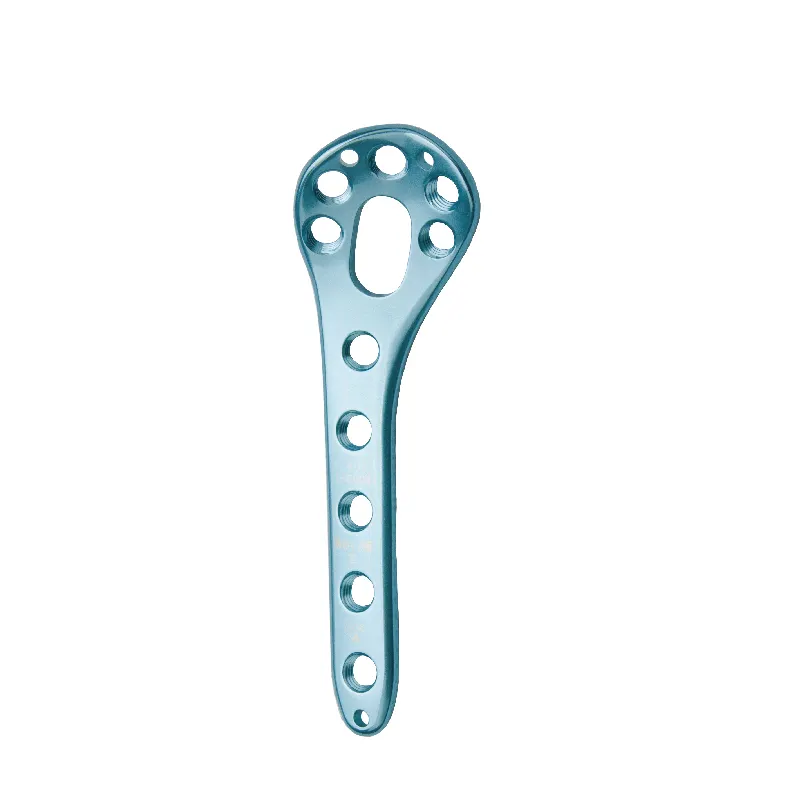
Understanding Total Cost of Ownership in Orthopedic Implant Procurement
The Shift from Sticker Price to Lifetime Value in Proximal Humerus Plate Selection
Most hospitals have started looking at the whole picture when it comes to proximal humerus plates instead of focusing solely on what they pay upfront. The truth is, those first purchase prices only cover around half to two thirds of what hospitals actually spend in the long run. This change in thinking came about because hospital administrators began tracking things like how often these plates need replacing, how long they last inside patients, and whether surgeries go smoothly or run into problems. When plates break down too soon because of weak materials or poor design, hospitals end up paying through their nose for extra operating room hours (which can cost over $1,200 every single hour!), having to sterilize equipment again on short notice, and dealing with patients who come back unexpectedly after discharge. Big orthopedic units want proof now from suppliers that their trauma implants will hold up over time. Many won't even consider new products unless there's solid evidence showing good results after five years of actual use in real patients.
How TCO Aligns with Hospital Value-Based Care and Cost-Containment Goals
TCO frameworks really help healthcare move away from old fashioned volume-based payments toward new value-based models. Hospitals can actually measure how choosing different implants affects what happens down the road. For instance, if complications stay under 5%, they might save about $18k on expensive revision surgeries. This gives hospitals two benefits at once better mobility results for patients and lower costs per case. The framework also works well with existing value analysis committees. Vendors need to show their stuff isn't just cheap but efficient across the whole supply chain too. Standardized scores for logistics become part of the conversation. What many hospitals find surprising is that things like sterilizing equipment, managing stockpiles, and proper storage account for roughly between 37% and 52% of actual implant expenses. With this information in hand, hospitals start talking to suppliers about getting bigger shipments less often or arranging timely deliveries exactly when needed. These changes line up procurement decisions with broader efforts to keep costs under control throughout the entire organization.
Uncovering Hidden Costs Behind Proximal Humerus Plate Implantation
Beyond the Invoice: Sterilization, Storage, OR Time, and Vendor Logistics
When it comes to proximal humerus plates, the real expense goes way beyond what's listed on the invoice. Hospital administrators need to factor in all sorts of hidden costs like repeated sterilization processes, the need for temperature controlled storage facilities, longer operating room preparation times because of complicated equipment, plus various issues with suppliers such as delayed restocking and rush deliveries when needed urgently. Every time these devices get cleaned and reused, they eat into staff hours, electricity bills, and consume other materials during the process. Plus, keeping them stored properly takes up precious real estate in those already crowded sterile supply rooms. The extra time spent setting everything up before surgery and making adjustments during operations ends up slowing down how many patients can be treated each day. All these behind the scenes challenges end up driving up overall costs in ways that most standard purchasing analyses completely miss out on.
How Hidden Operational Costs Inflate True Implant Spend by 37–52%
Research consistently shows that operational overhead increases the effective total cost of ownership for proximal humerus plates by 37–52% above invoice price. Key contributors include:
- Sterilization (15–20%): Repeated autoclaving degrades instruments and increases labor demands
- Storage (8–12%): Climate-controlled space requirements for implants and trays
- OR Efficiency (10–15%): An additional 8–12 minutes per procedure for tray preparation and implant handling
- Logistics (4–5%): Rush fees, emergency shipments, and inventory reconciliation
| Cost Factor | Impact Range | Primary Drivers |
|---|---|---|
| Reprocessing & Storage | 23–32% | Sterilization cycles, shelf space |
| Surgical Efficiency | 10–15% | Implant handling time, staff hours |
| Supply Chain Management | 4–5% | Emergency shipments, stockouts |
This systematic underaccounting obscures budget planning and weakens value analysis committee decision-making. Forward-thinking hospitals now audit these dimensions to reveal actual expenditure—and drive measurable supply chain efficiency for trauma plates.
Revision Rates and Clinical Outcomes as Key TCO Drivers
The Financial Impact of 8.3% 2-Year Revisions in Proximal Humerus Fracture Fixation
About 8.3% of patients need their surgery redone within just two years after fixing a broken upper arm bone near the shoulder. This leads to all sorts of extra expenses for hospitals and patients alike. Think about it: every minute spent in operating room costs between $120 and $180, while staying in hospital longer adds at least $2,500 per day. Then there's the cost of replacing implants plus all those follow-up rehab sessions. When we look at these numbers, the overall cost jumps anywhere from 37% to over half what was originally paid for the procedure. So hospitals aren't just looking at price tags anymore when they choose medical devices. Top facilities actually track how often complications happen with different implants and factor that into their purchasing decisions right alongside the sticker price.
Linking Complication Rates to Long-Term Cost Per Outcome Benchmarks
Forward-thinking institutions correlate complication data with cost-per-outcome benchmarks to guide procurement rigorously. For example:
| Outcome Metric | Low-Complication Implant | High-Complication Implant |
|---|---|---|
| Revision Surgery Rate | ≤ 4% | ≥ 10% |
| 2-Year TCO/Procedure | $18,200 | $27,800 |
| Patient Return-to-Function | 89 days | 142 days |
This analysis demonstrates how a $1,000 premium for implants associated with a 40% lower revision risk yields net savings—not only through avoided revisions but also via reduced follow-up care, faster functional recovery, and improved throughput. Value analysis committees increasingly mandate such cost-per-clinical-outcome assessments before approving new trauma implants.
How Leading Hospitals Apply TCO to Make Smarter Implant Decisions
Case Study: Mayo Clinic’s 22% Reduction in Per-Procedure Implant Spend Using TCO Models
At a major teaching hospital in Boston, researchers put together a detailed cost analysis looking at five different shoulder plate systems over around 200 surgical cases. They considered things like how much it costs to clean each system between surgeries, differences in operating room time needed, and how often patients needed follow-up procedures. What they found was pretty interesting: one particular locking plate actually saved money in the long run. Reprocessing costs were down by almost 20%, and surgeons could get implants in place 31% quicker than other options. That cut about 11 minutes off the average setup time for operations. Overall, this meant hospitals spent about 22% less on implants each year without seeing any increase in complications (they stayed under 3.7%). The study showed something important too: sometimes paying more initially makes financial sense if everything else adds up over time.
The Role of Value Analysis Committees in Standardizing TCO Evaluation
Hospital value analysis committees (VACs) now mandate TCO assessments for all trauma implants. These multidisciplinary teams—including surgeons, supply chain leaders, and financial analysts—use standardized scorecards evaluating:
- Revision Risk Impact: Projecting 10-year costs using facility-specific complication data
- Operational Burden: Measuring tray processing time, storage footprint, and sterilization frequency
- Vendor Reliability: Tracking delivery consistency, technical support responsiveness, and restock lead times
VACs establish evidence-based selection thresholds—such as requiring ≤12% projected lifetime revision risk or ≤45-minute average OR time—to shift procurement from transactional price negotiation to strategic, outcome-aligned decision-making. This standardization ensures implant choices advance both clinical quality and value-based care mandates.
FAQ Section
What is Total Cost of Ownership (TCO) in orthopedic implant procurement?
TCO considers the entire cost associated with procuring and using orthopedic implants, including initial purchase price, maintenance, and any additional operational costs such as sterilization, storage, and logistics.
Why is TCO important in selecting proximal humerus plates?
TCO provides a comprehensive view of costs, helping hospitals make informed decisions based on long-term value rather than just upfront costs, leading to better patient outcomes and cost savings.
How can hospitals reduce costs through TCO analysis?
Hospitals can reduce costs by optimizing logistics, improving storage and sterilization processes, and selecting implants based on their proven longevity and lower complication rates.
What roles do Value Analysis Committees (VACs) play in TCO?
VACs assess trauma implants using TCO models, ensuring that procurement decisions are aligned with both financial efficiency and clinical outcomes through rigorous evaluation standards.