 EN
EN
 FR
FR
 ES
ES
 AR
AR

The Role of the Value Analysis Committee in Orthopedic Implant Procurement
Mandatory VAC Review for High-Cost, Low-Substitutability Medical Devices
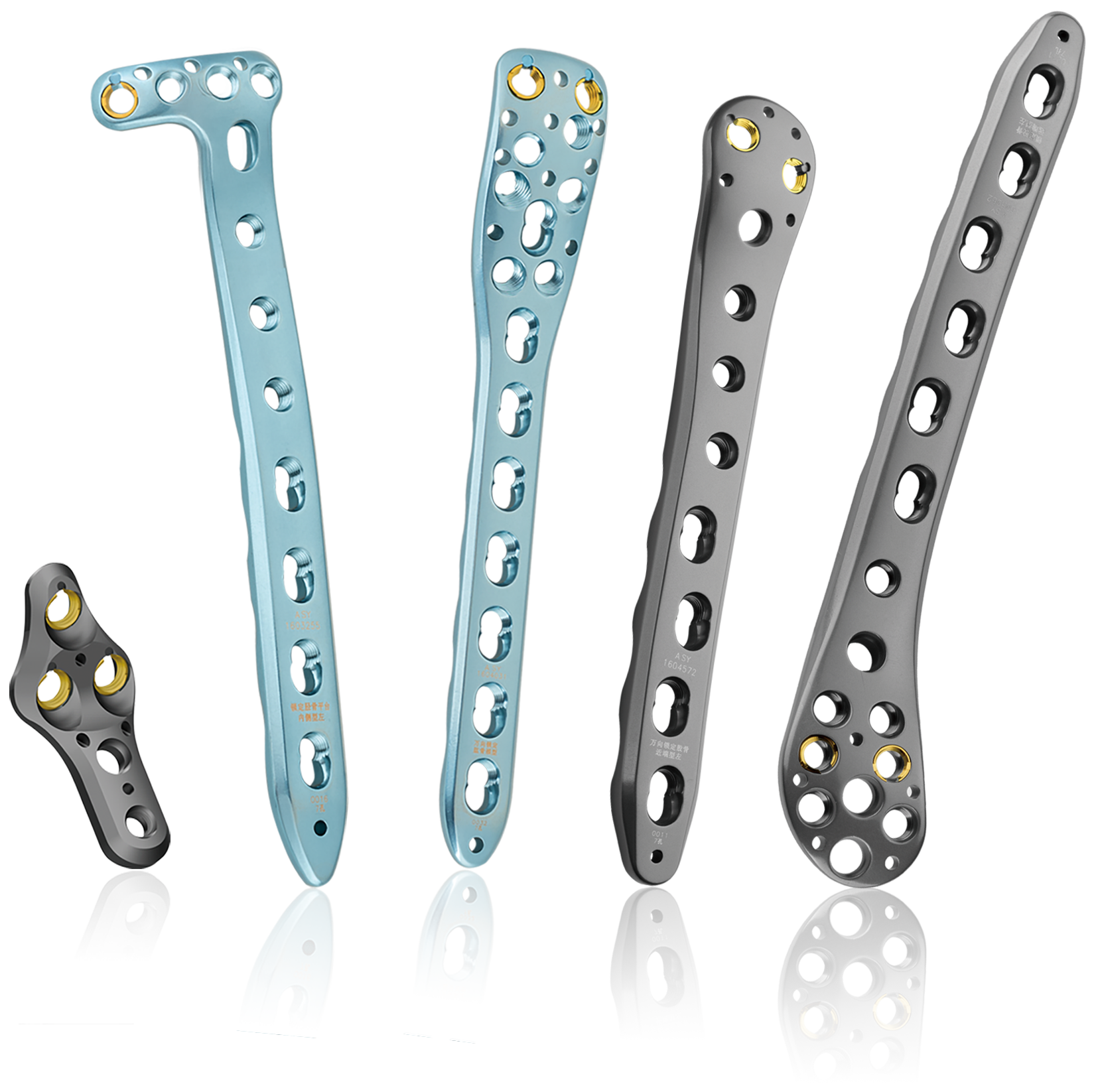
Most hospitals need approval from their Value Analysis Committee (VAC) before getting expensive orthopedic implants that don't really have good substitutes. Take volar locking plates for instance. Each one costs several thousand dollars, so when they're used in hundreds of surgeries every year, it really adds up on the hospital budget. The VAC looks at both what these implants cost versus how well they actually work clinically. This helps make sure doctors aren't ordering them just because they want something fancy. Hospitals put special focus on buying these kinds of medical devices since there's so much money involved and often only one supplier available. If nobody checks what's going on, hospitals might find themselves stuck paying through the nose for implants that could have been cheaper elsewhere. According to some recent financial reports from the healthcare industry, hospitals that do proper VAC reviews tend to save around 12 to maybe even 18 percent on implant costs without compromising patient care quality.
How Clinical Evidence and Safety Data Trigger Value Analysis Committee Oversight
Orthopedic implants that come onto the market need to go through VAC reviews whenever there are questions about their clinical effectiveness or safety issues pop up. The committees look for solid research published in reputable journals that shows these new implants actually work better than traditional methods such as casts or external fixators. Safety standards matter a lot too. For instance, if complications happen in more than 5% of cases involving nerve damage or problems with the implant itself, that becomes a major red flag for approval. Results from testing should clearly demonstrate faster healing times or improved functionality after surgery. Whenever companies bring out completely new implant designs or different materials, VACs want to see how they stack up against what's already available on hospital formularies. This whole system based on real evidence stops hospitals from jumping on bandwagons with gadgets that haven't been properly tested yet. Facilities that follow this approach tend to experience around 30% fewer product recalls later down the road, which makes it pretty clear why taking extra time for thorough evaluation before approving new medical devices really pays off in the long run.
Clinical Efficacy vs. Economic Value: Why Volar Locking Plates Face Rigorous Scrutiny
Outcomes Comparison: Volar Locking Plates Versus Casting, Pins, and External Fixation
When looking at medical equipment such as volar locking plates, value analysis committees have to weigh how well these devices work against what they cost. The plates do help achieve better bone alignment, which means fewer bad healing results. Some studies show malunion rates drop below 10% when using plates instead of casts, which typically see around 25 to maybe even 30% problems. But here's the catch – these plates can set hospitals back anywhere from ten to fifteen times what traditional treatment methods would cost. There's another option called percutaneous pinning that gives decent stability without surgery, though it does come with some risks like infections or possible nerve damage. Then there's external fixation for really complicated breaks, but this approach tends to cause stiffness in joints later on and usually requires multiple follow-up operations. A recent study published in 2024 looked specifically at older adults and found that after all this time, there wasn't much difference between plated bones and those treated with casts in terms of function down the road. Given how little extra benefit we get from these expensive options, hospitals need to be pretty strict about who actually needs them and make sure the money spent delivers real improvements in patient care.
The Standardized Value Analysis Process for New Orthopedic Implants
From Surgeon Request to Formulary Decision: A Five-Stage VAC Evaluation Workflow
Most hospitals have developed something like a five stage process when looking at new orthopedic implants. Surgeons typically start things off by putting together their reasons why they want these devices, backed up with actual results from previous cases. Then comes the finance folks who crunch numbers on how much each case would really cost versus what other options are out there. The third part gets pretty technical as sterile processing staff check if the equipment works properly with existing systems and whether it can be cleaned safely multiple times. Committees weigh everything against three main factors - how well it works clinically makes up 40%, overall costs account for another 30%, and then there's the question of training requirements which takes up around 15%. When everything checks out, the implant gets added to the hospital's approved list along with specific rules about when and how it should be used. This whole structured approach cuts down the time needed to evaluate new products by about a third without compromising patient safety or financial responsibility.
Resolving Conflict: Aligning Surgeon Preference with Value Analysis Committee Medical Devices Criteria
When surgeons want something different from what the VAC guidelines suggest, we usually settle it through talking about the actual evidence. Hospital committees show them numbers comparing things like how often patients need their volar plates fixed compared to just getting casts, plus they look at money matters too. Standardizing procedures actually helps free up funds for buying new robotic equipment or training staff members better. And when dealing with really complicated situations, there are special exceptions where doctors can pick specific implants if needed, but they have to track results afterwards. The whole system works pretty well actually. Most surgeons stay involved because they see the benefits, and hospitals report around a 22% cut in supply expenses overall.
Proven Impact: How VAC-Driven Standardization Reduces Costs Without Compromising Care
Value Analysis Committees have managed to cut down orthopedic implant expenses around 10 to maybe even 15 percent by standardizing what goes on the formulary list, all while keeping complication rates pretty much the same as before. When these committees focus on proven tech such as those special volar locking plates for certain cases, they can get rid of extra inventory sitting around and negotiate better prices because they're buying in bulk. Doctors still have access to whatever equipment patients actually need medically, and the money saved gets put toward other important areas within the hospital. The system keeps tabs on how many people come back after surgery or experience problems, which shows that saving money doesn't mean cutting corners when it comes to patient care. Basically, the VAC makes sure new medical gear makes it onto the market only if there's solid evidence behind its effectiveness, so hospitals can innovate responsibly without breaking the bank.
FAQ
What is the role of the Value Analysis Committee in orthopedic implant procurement?
The Value Analysis Committee (VAC) plays a critical role in evaluating the costs and clinical efficacy of high-cost, low-substitutability orthopedic implants like volar locking plates. VAC ensures that such purchases are justified based on clinical performance and cost-effectiveness to prevent unnecessary spending.
How does the VAC influence cost reduction in hospitals?
VAC influences cost reduction by setting standardized procedures for evaluating new implants, negotiating bulk purchases for better rates, reducing redundant supply, and focusing on clinically proven technologies. Hospitals adopting VAC reviews have witnessed reductions in implant costs by 10-18% without compromising patient care.
Why are volar locking plates scrutinized by VAC?
Volar locking plates undergo rigorous scrutiny by VAC because they are an expensive option compared to traditional treatments like casting, pins, or external fixation. VAC evaluates their clinical efficacy and cost-effectiveness to ensure the expenditure delivers real improvements in patient outcomes.
Table of Contents
- The Role of the Value Analysis Committee in Orthopedic Implant Procurement
- Clinical Efficacy vs. Economic Value: Why Volar Locking Plates Face Rigorous Scrutiny
- The Standardized Value Analysis Process for New Orthopedic Implants
- Proven Impact: How VAC-Driven Standardization Reduces Costs Without Compromising Care
- FAQ