 EN
EN
 FR
FR
 ES
ES
 AR
AR

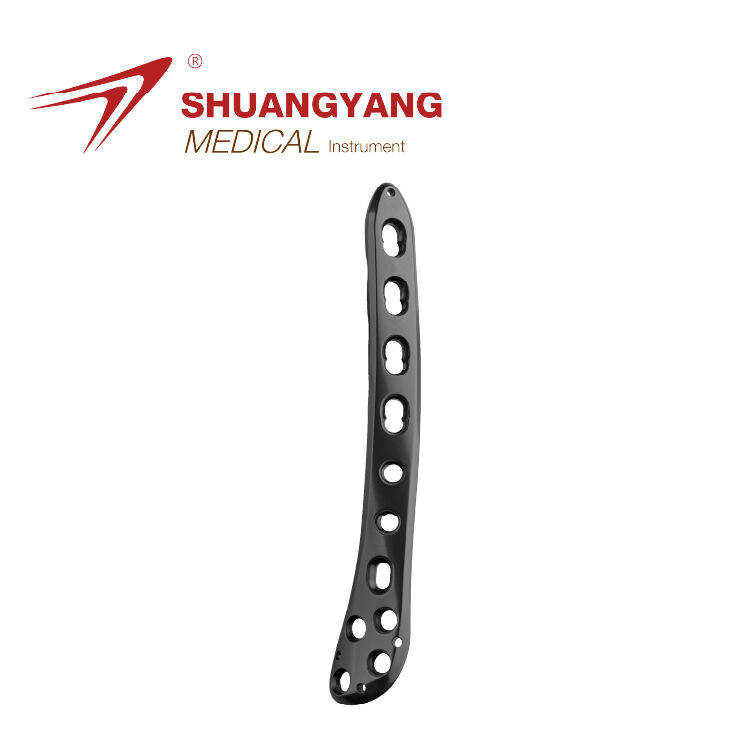
The Importance of Biocompatibility in Distal Tibia Locking Plates
Role of Biocompatibility in Orthopedic Implant Safety and Performance
The way distal tibia locking plates work inside the human body depends largely on biocompatibility factors. These determine everything from immune system reactions to inflammation levels and whether the implant integrates properly over time. When biocompatibility isn't right, problems happen. We've seen cases where patients experience toxic effects or ongoing inflammation around implants, which often leads to having to remove or replace them altogether. Looking at recent data from orthopedic surgery revisions back in 2023, about one out of seven complications had something to do with how the body reacted to the implant material itself. Most surgeons still go with titanium alloys because they tend to bond well with bone tissue and don't cause much reaction. But here's the catch: small tweaks in alloy composition or manufacturing processes can throw off this delicate balance completely. That's why manufacturers spend so much time testing these materials thoroughly before they ever make it into actual medical settings.
Key Material Properties Affecting Biological Response in Distal Tibia Locking Plates
Three critical material properties govern biocompatibility:
- Corrosion resistance: Prevents harmful ion release–titanium’s passive oxide layer reduces metallic diffusion by 92% compared to stainless steel
- Elastic modulus: Materials with stiffness close to cortical bone (10–30 GPa) reduce stress shielding and subsequent bone resorption
- Surface energy: Higher surface energy enhances protein adsorption, improving bone cell adhesion by 40–60%
Even chemically similar titanium alloys–such as Ti-6Al-4V versus Ti-6Al-7Nb–require separate biocompatibility testing due to differences in nickel release and inflammatory potential.
ISO 10993 Standards as the Foundation for Biocompatibility Testing
The ISO 10993 framework provides a systematic approach to evaluating implant safety through standardized tests:
- Cytotoxicity (ISO 10993-5): Assesses cell viability using material eluates
- Sensitization potential (ISO 10993-10): Evaluates allergic responses via validated animal models
- Chronic toxicity (ISO 10993-11): Involves long-term implantation studies (up to 12 months) to monitor systemic effects
A 2024 EU MDR audit revealed that 31% of submissions failed due to inadequate chemical characterization under ISO 10993-18. Any change in manufacturing–such as switching from traditional machining to additive manufacturing–requires retesting if it alters surface roughness beyond 0.5¼m, as this impacts biological response.
How Material Substitution Impacts Biocompatibility Profiles
Biological Implications of Changing From Titanium to Cobalt-Chrome Alloys
When replacing titanium implants with cobalt-chrome alternatives, there's a noticeable impact on how well they perform inside the body. Titanium generally doesn't corrode much at all, sitting around at about 0.13 micrometers per year according to some tests from ASTM back in 2023. But cobalt-chrome tells a different story. These alloys tend to break down faster when exposed to bodily fluids that contain lots of chloride ions. What happens next? More metal gets released into surrounding tissues. Some studies suggest this might be linked to problems like bone loss and slower healing after surgery, showing up in roughly 18 percent of cases where implants need replacing, as reported by the Journal of Orthopaedic Research last year. And then we get to those pesky cobalt and chromium ions floating around. Doctors worry these can damage nearby tissues and sometimes trigger allergic responses too.
Case Study: Altered Corrosion Behavior and Ion Release in Substituted Materials
Research from 2023 found that cobalt-chrome locking plates actually let out about 4.8 parts per billion of chromium ions after sitting in simulated implant conditions for a year, which is around 42% more than what we see with titanium alternatives. And it gets worse too – about one out of every seven samples ended up with pitting corrosion right where the screws meet the plate, creating tiny bits of metal debris that can cause problems inside the body. This kind of thing explains why medical device manufacturers need to follow ISO 10993-15 guidelines so closely when changing materials, even if they're only making small adjustments to composition. The slightest change can mess with how these implants interact chemically with bodily fluids over time.
Are Legacy Biocompatibility Data Sufficient After Material Changes?
Old data on titanium-based designs just doesn't cut it when proving new materials are safe enough for implants. When manufacturers change anything about their products—like composition, microstructure, or how they're made—the regulators want fresh chemical analysis according to ISO 10993-18 standards plus new tests for cell toxicity. The FDA has this thing called the equivalence threshold which basically means if changes touch at least ten percent of the implant's weight or mess with surface characteristics, then everything needs to be reevaluated from scratch. Companies that plan ahead with thorough biological testing tend to save around two thirds of the time spent waiting for regulatory approvals versus those who wait until problems arise (Orthopaedic Device Manufacturers Association reported similar findings in 2024).
Surface Characteristics and Their Effect on Biocompatibility Outcomes
Influence of Surface Coatings and Texturing on Immune and Tissue Response
The way surfaces are modified has a real impact on how cells interact and what happens with the immune system. When surfaces have roughness levels between 1 and 5 micrometers, studies from the Journal of Biomechanics in 2023 found that this can boost osteoblast differentiation anywhere from 18 to 22 percent. Plasma treatments work differently but are also beneficial as they tend to lower macrophage activation which is connected to inflammation issues. There's a catch though. Making surfaces too textured might actually weaken their ability to resist corrosion in metal implants. So there's always this balancing act between getting better mechanical fixation and managing those ions over time. The ISO 10993-1 guidelines basically say we need to look at both surface biocompatibility and structural integrity together if we want safe implants for patients.
Evidence from Clinical Studies on Surface-Modified Distal Tibial/Ankle Plates
Tests with around 240 participants showed that plates coated with hydroxyapatite reached about 94% osseointegration after just 12 weeks, which is roughly 15 percentage points better than regular titanium plates without coatings. The same study found these special implants cut down delayed healing cases by about 40% when treating fractures in the lower part of the shin bone. This seems to happen because the coating helps collagen fibers stick better where the implant meets the actual bone tissue. Still worth noting though, we don't have much information about how well these coatings hold up over time past the two year mark. For this reason, doctors should keep an eye on patients who receive modified implants and consider repeating tests if there are any concerns about surface integrity down the road.
Regulatory Requirements for Material Changes in Orthopedic Implants
FDA and EU MDR Guidelines on When New Biocompatibility Testing Is Required
When it comes to biocompatibility testing, both the FDA and EU MDR have strict requirements whenever there are changes to things like chemical makeup, surface features, or how something gets made. For the FDA specifically, they want complete ISO 10993 evaluations if modifications touch at least ten percent of what makes up an implant's weight. Over in Europe under the MDR rules, manufacturers need to do another round of risk assessments anytime there's anything that might impact biological safety concerns. A recent report from last year showed pretty clearly that around three out of four cases where titanium was swapped out for cobalt chrome ended up needing extra tests because these materials release different ions into the body (as published in the Journal of Orthopedic Materials back in 2022). At the end of the day, these regulatory frameworks are all about keeping patients safe. They insist on solid documentation proving that modified medical devices won't corrode over time, won't poison cells directly, and won't cause harmful effects throughout the body once implanted.
Gap Analysis Under Evolving Regulatory Standards and Testing Expectations
The latest changes to ISO 10993-1 from 2021 set much tighter restrictions on how much nickel and chromium ions can be released by load bearing implants, which has revealed some serious shortcomings in older data sets. According to third party checks, around 62 percent of distal tibia plates submitted right now don't meet the new requirements for nano scale surface analysis mandated by the FDA's Chemistry and Manufacturing Controls guidelines. Things are getting even tougher in Europe where the Commission's 2024 harmonization plan under MDR Annex XIV requires manufacturers to collect 18 months worth of longitudinal data on any material substitutions they make. This triples what was expected before as noted in Orthopedic Regulatory Review last year, making compliance significantly harder than it used to be.
Balancing Innovation and Compliance: The Industry Challenge of Material Substitution
When companies try adding new polymers or composite materials to distal tibia locking systems, they usually face delays of around 12 to 18 months because of the lengthy biocompatibility testing required. The ASTM F382-23 standard does allow for computer modeling as a first step in screening these materials, but most manufacturers still end up doing animal tests according to ISO 10993-2 requirements. About 94 percent of all material changes need live testing despite the newer standards. To handle this problem, top manufacturers have started creating special material change control boards and using ISO 14971 risk management approaches to get ahead of potential issues. These proactive steps help cut down on requalification expenses by roughly 40%, according to data from the Medical Materials Innovation Report published last year.
FAQs
Why is biocompatibility important in distal tibia locking plates?
Biocompatibility ensures that implants integrate properly with bodily tissues and do not cause adverse immune reactions. This leads to better performance and fewer complications.
What are the risks of changing implant materials from titanium to cobalt-chrome alloys?
Titanium is more corrosion-resistant, whereas cobalt-chrome may release more ions into tissues, potentially causing bone loss and allergies.
Why do manufacturers need to retest biocompatibility with material changes?
Material changes can affect how implants interact chemically with bodily fluids. Retesting ensures safety and compliance with regulatory standards.
What role do surface coatings and texturing play in implant performance?
They enhance cell adhesion and reduce inflammation but can impact corrosion resistance. Finding the right balance is key for optimal implant performance.
How have regulatory requirements evolved to ensure implant safety?
Regulatory bodies require extensive testing and documentation, especially when materials or manufacturing processes change, to protect patient safety.
Table of Contents
- The Importance of Biocompatibility in Distal Tibia Locking Plates
- How Material Substitution Impacts Biocompatibility Profiles
- Surface Characteristics and Their Effect on Biocompatibility Outcomes
- Regulatory Requirements for Material Changes in Orthopedic Implants
-
FAQs
- Why is biocompatibility important in distal tibia locking plates?
- What are the risks of changing implant materials from titanium to cobalt-chrome alloys?
- Why do manufacturers need to retest biocompatibility with material changes?
- What role do surface coatings and texturing play in implant performance?
- How have regulatory requirements evolved to ensure implant safety?