 EN
EN
 FR
FR
 ES
ES
 AR
AR

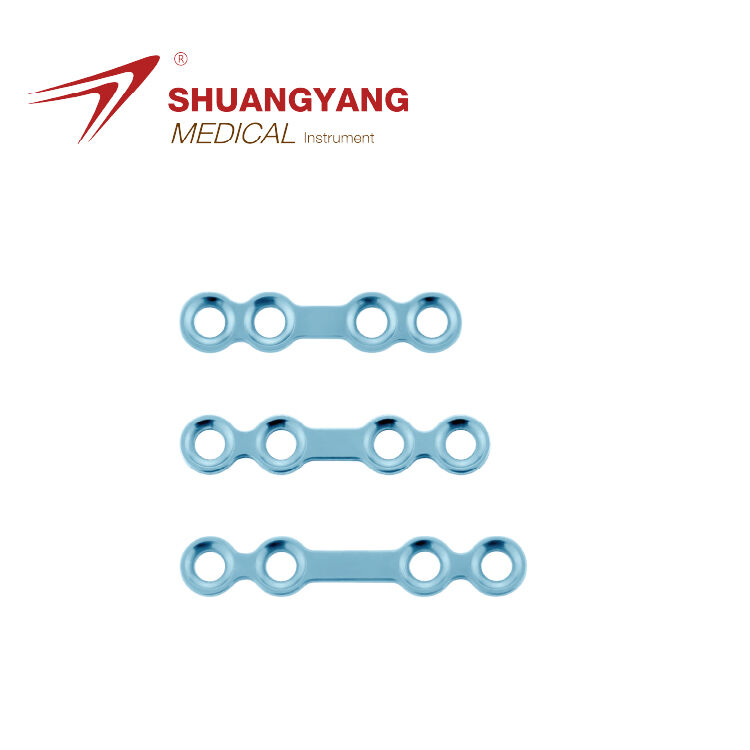
Overview of ISO 10993 and Its Application to Maxillofacial Implants
The Importance of Biocompatibility in Craniofacial Fixation Devices
The materials used for maxillofacial plates and screws need to pass rigorous tests for biocompatibility if they are going to keep patients safe and satisfy regulatory bodies. After all, these implants come into contact with bones, skin tissues, and various body fluids, so their composition needs to be stable without causing reactions. Recent research published in 2024 by Jurczak and colleagues showed that nearly one out of five complications after implant surgery actually comes down to how our bodies react to trace metals released from the implant materials. That's why standards like ISO 10993 exist - they require manufacturers to test for things like cell toxicity, allergic reactions, and whether the material will cause problems over time. These standards work hand in hand with both EU MDR regulations and FDA requirements to protect public health.
Structure and Scope of the ISO 10993 Series for Medical Device Evaluation
The ISO 10993 framework consists of 20 interconnected standards focusing on:
- Chemical safety (ISO 10993-18 for extractables analysis)
- Biological testing (ISO 10993-5 for cytotoxicity, ISO 10993-10 for irritation)
-
Long-term performance (ISO 10993-15 for metallic degradation)
For maxillofacial implants, ISO 10993-6 (local tissue effects) and ISO 10993-11 (systemic toxicity) are prioritized due to direct bone contact and prolonged implantation durations.
Developing a Biological Evaluation Plan (BEP) According to ISO 10993-1
A compliant BEP for titanium or cobalt-chrome maxillofacial plates requires:
- Material characterization quantifying ion release rates
- Risk assessment of degradation products per ISO 10993-17 thresholds
- Tiered testing strategy combining in vitro assays (cell viability tests) and in vivo implantation studies
Recent updates to ISO 10993-1 (2023) emphasize manufacturer-specific risk analysis over generic checklists, reducing unnecessary testing by 31% while maintaining safety benchmarks (Medical Materials Journal, 2024).
Key Biological Testing Requirements for Metallic Maxillofacial Plates and Screws
Medical devices like titanium maxillofacial plates and screws must pass rigorous biological evaluations under ISO 10993 to ensure patient safety. These standards address critical biocompatibility testing requirements through four interconnected assessments.
Cytotoxicity Assessment (ISO 10993-5): Evaluating Cell Viability in Response to Leachables
Cytotoxicity testing identifies harmful chemicals released by implants. Compliant devices must demonstrate 99% cell viability (ISO 10993-5:2023), with metal ion concentrations kept below 5 ppm to prevent cellular damage.
Sensitization and Irritation Testing (ISO 10993-10, ISO 10993-23): Preventing Allergic Reactions
These protocols evaluate immune responses to nickel, chromium, or cobalt ions. Extended exposure simulationsâsuch as 72-hour extract applicationsâensure implants cause <10% skin sensitization rates, minimizing allergic reactions in sensitive patients.
Systemic Toxicity Evaluation (ISO 10993-11): Assessing Whole-Body Effects of Metal Ions
Animal models measure organ impacts after prolonged exposure. Safe thresholds for titanium alloys require cumulative ion release <0.2 mg/kg/day over 90 days (ISO 10993-11:2021), ensuring no systemic toxicity arises during long-term implantation.
Local Tissue Response and Implantation Testing (ISO 10993-6)
A 12-week implantation study assesses inflammation and fibrosis. Compliant devices show:
- Fibrous capsule thickness <0.03 mm
- No granuloma formation
- Neutrophil counts within baseline ranges
This multi-tiered approach ensures metallic craniofacial fixation devices meet ISO 10993 guidelines while maintaining mechanical performance.
Chemical Characterization and Toxicological Risk Assessment (ISO 10993-18 and ISO 10993-17)
Identifying Extractables and Leachables from Metallic Implants
The ISO 10993-18 standard requires thorough chemical analysis of maxillofacial implants including plates and screws. This testing looks for two main things: extractables, which are substances that come out when materials are exposed to harsh lab conditions, and leachables, compounds that migrate into surrounding tissues during actual medical use. Modern labs rely on sophisticated techniques such as ICP-MS and GC-MS to spot tiny amounts of metals like nickel or chromium that might slowly break down from titanium alloys used in these devices. Recent updates from 2023 have pushed for even stricter standards, asking researchers to measure these chemicals at incredibly low levels around 0.1 micrograms per liter to properly evaluate how safe they really are before patients receive them. Take cobalt ions for instance. These show up frequently in cobalt-chromium alloys and need to stay well under 0.14 micrograms daily limit to prevent harmful effects throughout the body when used in facial reconstruction procedures.
Conducting a Toxicological Risk Assessment: Thresholds, Dose-Response, and Margin of Safety
Under ISO 10993-17, toxicological risk assessment evaluates whether identified leachables exceed permissible exposure limits (PELs) for patients. This involves:
- Threshold Analysis: Comparing measured ion release levels against established safety limits (e.g., 250 μg/L for aluminum in bone implants)
- Dose-Response Modeling: Predicting adverse effects like inflammation or osteolysis based on cumulative exposure over decades
-
Margin of Safety (MoS): Maintaining a â¥10:1 ratio between PELs and actual exposure levels for high-risk populations
Modern titanium maxillofacial plates achieve MoS values exceeding 50:1 for most metallic byproducts when tested under ISO 10993-23 simulated physiological conditions (2023), ensuring long-term safety even for pediatric patients requiring permanent craniofacial fixation.
Degradation and Long-Term Safety Considerations (ISO 10993-15, ISO 10993-3)
Maxillofacial plates and screws must demonstrate long-term biocompatibility under ISO 10993 standards, particularly through rigorous evaluation of degradation risks and systemic toxicological effects. Manufacturers face increasing scrutiny as studies show up to 12% of implant revisions stem from material degradation issues (Ponemon 2023), emphasizing the need for proactive safety assessments.
Evaluating Degradation Products from Corrosion in Metallic Implants
The latest edition of ISO 10993-15 from 2023 requires manufacturers to perform speeded-up corrosion tests using various electrochemical techniques including something called potentiodynamic polarization. These tests basically try to mimic what happens when implants stay in the body for many years. When looking at actual numbers, titanium alloys typically shed less than 1.5 micrograms per square centimeter each week as they degrade naturally in bodily fluids. Cobalt chromium materials behave quite differently though they tend to release around 2.3 times more ions into surrounding tissues especially when exposed to acidic conditions inside the body. This kind of information is crucial for conducting proper cytotoxicity evaluations according to guidelines set out in ISO 10993-5. The goal here is simple enough make sure that whatever gets released during metal breakdown stays well within safe limits so it doesn't start damaging cell membranes or triggering programmed cell death processes.
Genotoxicity Testing (ISO 10993-3): Mitigating Carcinogenic Risks
According to the ISO 10993-3 standard from 2014, there are three main tests that need to be done together when looking at possible cancer risks. These include the Ames test which checks if something causes genetic changes, the in vitro micronucleus test that looks for chromosome damage, and the mouse lymphoma assay that detects gene mutations. Industry reports indicate that around 94 percent of companies following these guidelines get negative results on genotoxicity testing for their stainless steel facial implants after applying special surface treatments. All this information goes into calculating safety margins. Basically, the rate at which ions come off the implant material during breakdown needs to stay over 100 times lower than what would cause DNA damage in bone cells. This creates a buffer zone between normal operation and potential harm.
FAQ Section
What is ISO 10993?
ISO 10993 is a set of standards for evaluating the biocompatibility of medical devices, ensuring they do not cause adverse reactions in the body.
Why is biocompatibility important for maxillofacial implants?
Biocompatibility is crucial because these implants contact skin tissues, bones, and body fluids, requiring stability and non-reactivity to prevent complications.
What are the key aspects of ISO 10993 for maxillofacial implants?
Key aspects include chemical safety, biological testing, long-term performance, and toxicity assessments specific to metallic implants used in craniofacial surgery.
How are degradation products evaluated in metallic implants?
Degradation products are evaluated through accelerated corrosion tests, measuring ion release rates to ensure they remain within safe limits and don't cause cellular damage.
What tests are performed to mitigate carcinogenic risks?
Tests like the Ames test, in vitro micronucleus test, and mouse lymphoma assay are performed to assess genetic changes, chromosome damage, and gene mutations.
Table of Contents
- Overview of ISO 10993 and Its Application to Maxillofacial Implants
-
Key Biological Testing Requirements for Metallic Maxillofacial Plates and Screws
- Cytotoxicity Assessment (ISO 10993-5): Evaluating Cell Viability in Response to Leachables
- Sensitization and Irritation Testing (ISO 10993-10, ISO 10993-23): Preventing Allergic Reactions
- Systemic Toxicity Evaluation (ISO 10993-11): Assessing Whole-Body Effects of Metal Ions
- Local Tissue Response and Implantation Testing (ISO 10993-6)
- Chemical Characterization and Toxicological Risk Assessment (ISO 10993-18 and ISO 10993-17)
- Degradation and Long-Term Safety Considerations (ISO 10993-15, ISO 10993-3)
- FAQ Section