 EN
EN
 FR
FR
 ES
ES
 AR
AR

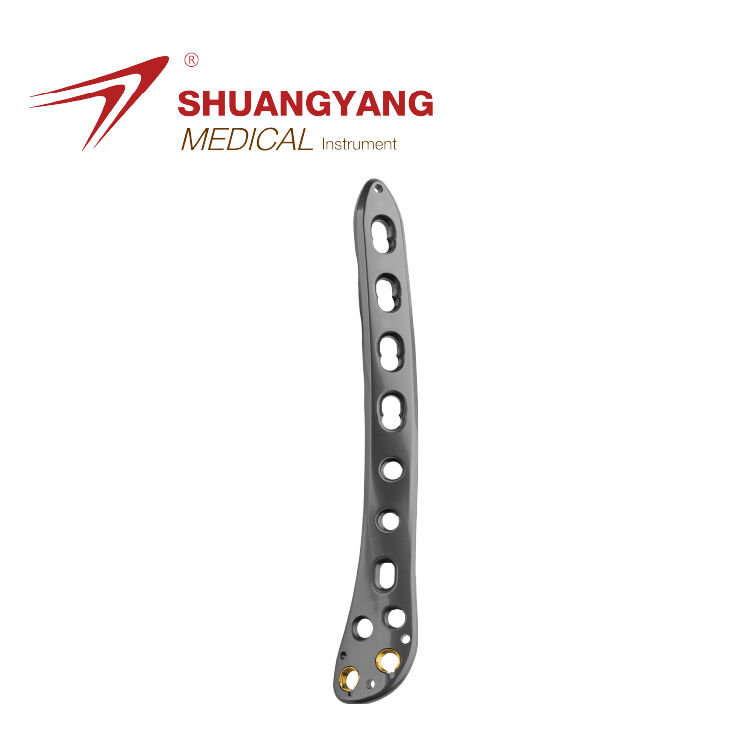
Modular Junction Fracture: The Primary Driver of Modular Implant Failure
Mechanical stress concentration at the modular interface
When plates are connected in modular fashion, they create what engineers call a stress concentration point where all the force gets focused during normal body movements. What happens next is pretty straightforward physics really. The pressure builds up until it goes beyond what the material can handle, and tiny cracks start forming in the implant itself. Monoblock designs don't have this problem because they're one solid piece from end to end. Modular connections just aren't as strong at those join points. Studies using computer modeling show something alarming too. Stress levels at these weak spots can jump three times higher than surrounding areas when someone lifts their arm sideways. And guess what? About 15 to 35 percent of implants actually fail catastrophically because of this issue according to research published last year in Frontiers in Bioengineering.
Fatigue failure from cyclic micromotion and interfacial wear
When there's repetitive movement at the modular interface, it creates something called fretting wear which breaks down the structural integrity in two main ways. First, tiny particles get generated that cause abrasion between surfaces. Second, as materials keep wearing away, the gaps between connections just keep getting bigger. What happens next is pretty straightforward but concerning. The actual area that can resist stress gets smaller over time, so the whole thing becomes much more prone to fatigue failure. Some experiments on cadavers where they simulated normal daily activities showed significant material loss at these joints after only a few weeks of 5,000 plus abduction movements each day. This matches what doctors see clinically too, with fractures appearing earlier than expected in more active patients. The real problem here though is that these mechanical connections don't integrate with living tissue. Without that biological link, our bodies can't compensate by rebuilding bone around the implant, which would help stabilize everything else.
Biomechanical Mismatch: How Bone Quality and Screw Fixation Amplify Modular Implant Failure
Osteoporotic bone-implant stiffness mismatch leading to screw cut-out
When bones become osteoporotic, meaning they lose density and their internal structure breaks down, they simply can't handle normal implant pressures anymore. What happens next is pretty problematic. The stiff modular plates used in these cases actually push too much force onto already weak bone tissue. This causes problems because the bone just isn't strong enough to hold up against all that pressure, leading to screws pulling out from their positions. Studies indicate about one out of four patients with osteoporosis who suffer proximal humerus fractures experience this issue, which is almost three times higher than what we see in people with healthy bones. Basically, when there's this kind of mismatch between implant rigidity and bone fragility, the weight distribution gets messed up completely. Forces build up right at those tiny screw points until eventually, the bone gives way under pressure.
Limited screw trajectory options compromising proximal fragment stability
The problem with modular systems is they really limit how screws can be angled, which makes it hard for surgeons to get into those tougher bone areas where stability matters most. Anatomical plates work differently since they allow screws to go in multiple directions, but modular designs basically push doctors into using less ideal paths through the weaker parts of bones near joints. We've seen testing show that this setup cuts down on pullout strength by about 40 percent when working with osteoporotic bone samples versus systems that let screws angle freely. And when there aren't enough good screw paths going into solid bone structures, something interesting happens: the small pieces at the top start moving around more than they should. This extra movement speeds up implant failure rates and also leads to cracks forming right at the connections between different parts of the modular system.
Design-Induced Instability: Contouring Constraints and Rigidity in Modular Systems
Non-anatomic plate contouring reducing interfragmentary compression
The problem with modular proximal humeral plates is they just don't conform well to different patient anatomies. When there's this shape mismatch between the implant and actual bone structure, it leaves spaces where the plate doesn't touch properly. These gaps reduce the compression between bone fragments that keeps fractures stable during healing. Studies show something pretty alarming too. Just a tiny 1mm space left after surgery can actually raise the chance of displacement by almost half when normal body forces are applied. What happens next? Without good contact all around, those modular connections start moving microscopically. This movement concentrates stress right at the weakest point of the construct. Eventually, the screws end up taking on way more load than they should handle, especially in patients with already weakened bones. This leads to early screw failure which nobody wants to see in their operating room.
Overly rigid fixed-angle constructs inhibiting physiological load transfer
Fixed angle screws definitely offer good initial stability but their locking mechanism creates some pretty unnatural ways that loads get distributed through the body. Flexible systems allow stress to slowly move into the bone over time, whereas these rigid constructs basically pile all the repetitive stresses right at the modular connection point which is just asking for trouble. The problem with such rigidity is that it stops the tiny movements our bones need for proper healing and actually causes stress shielding effects on nearby bone tissue. Research from Orthopaedic Biomechanics last year showed around 29% more bone loss compared to non locking systems, plus those twisting forces end up concentrated exactly where they shouldn't be at the screw plate interface. In practice what happens clinically is either screws come loose or plates snap completely, particularly bad outcome for folks who already have weak bones since their bodies rely so much on controlled deformation to maintain stability over time.
Clinical Validation: Evidence Linking Modular Implant Failure to Higher Reoperation Rates
The research keeps showing that people who get modular proximal humeral plates tend to need more surgeries later on than those with non-modular versions. When looking at locked plating systems specifically, around 15 to 35 percent experience some kind of mechanical failure, and this happens most often among older patients with osteoporosis according to Frontiers in Bioengineering from last year. The main problems we see are screws cutting through bone, implants moving out of place, and fractures at the joints between different parts of the plate. These issues come back to the basic design flaws we discussed earlier. Looking at recent data from Springer in 2023, about 10 out of every 100 patients end up needing their hardware taken out completely, and roughly 1 percent face full surgical revisions. That's not just numbers on paper it represents real challenges for doctors and patients alike. With our aging population and increasing rates of osteoporosis worldwide, unless manufacturers fix these fundamental weaknesses in how modular components connect, we can expect these repeat surgery rates to keep climbing.
FAQ
- What causes modular implant failure? The primary drivers include mechanical stress concentration, fatigue failure from cyclic micromotion, biomechanical mismatch, rigid constructs that inhibit physiological load transfer, and design-induced instability.
- Why do modular junctions increase stress levels? Modular junctions create stress concentration points that can lead to significantly higher levels of stress compared to surrounding areas, especially under certain movements like lifting the arm sideways.
- How do osteoporotic bones affect implant stability? Osteoporotic bones have reduced density and can lead to a mismatch between the bone’s ability to handle implant pressures, often resulting in screw pull-out and increased rates of failure.
- What are the clinical implications of modular implant failure? Patients with modular implants often require more surgeries, with a significant rate experiencing mechanical failure, which is troubling, especially in older patients.
- How can manufacturers improve modular implants? Addressing fundamental weaknesses like stress concentration and rigidity in modular systems can help reduce failure rates and subsequent surgeries.
Table of Contents
- Modular Junction Fracture: The Primary Driver of Modular Implant Failure
- Biomechanical Mismatch: How Bone Quality and Screw Fixation Amplify Modular Implant Failure
- Design-Induced Instability: Contouring Constraints and Rigidity in Modular Systems
- Clinical Validation: Evidence Linking Modular Implant Failure to Higher Reoperation Rates
- FAQ