 EN
EN
 FR
FR
 ES
ES
 AR
AR

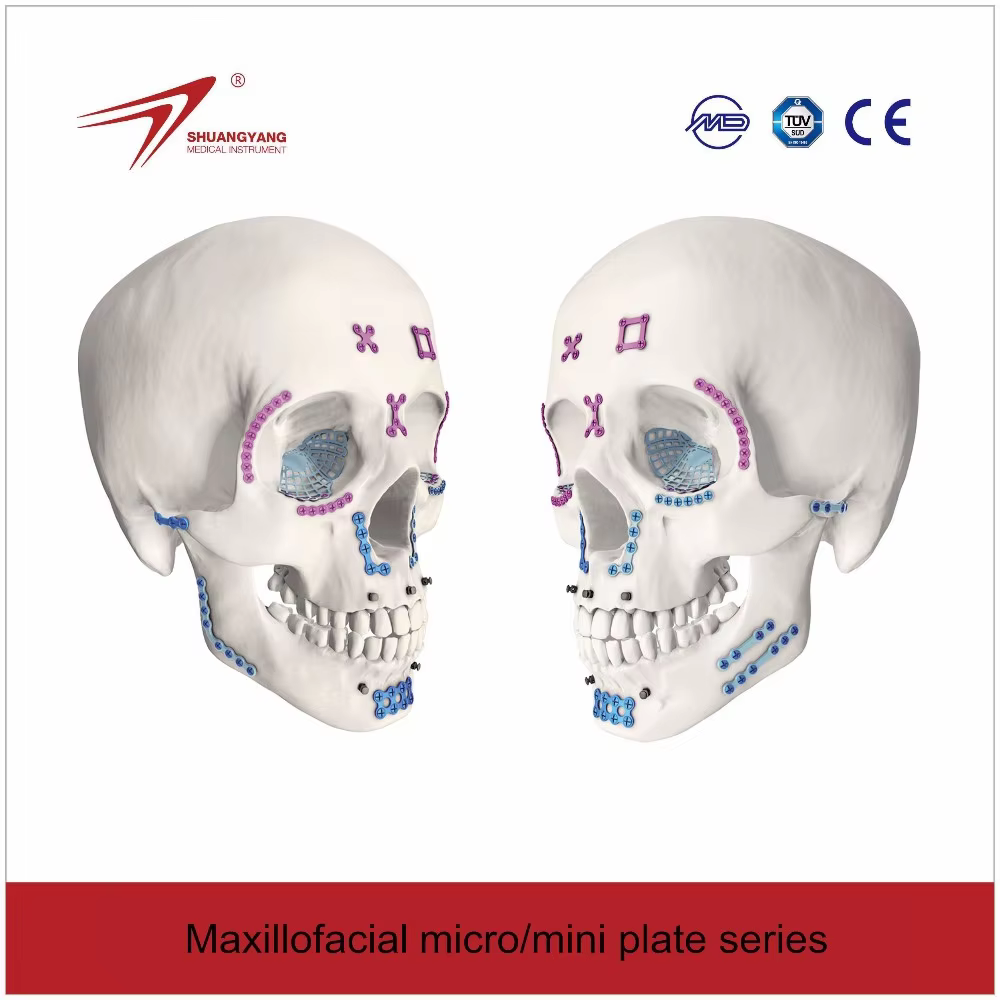
The Biomechanical and Biological Rationale for Specialized Surface Topography in Maxillofacial Prosthodontics
How hierarchical surface roughness (macro/micro/nano) directs osseointegration and soft-tissue integration
The surface texture in maxillofacial prosthodontics works at three different levels to help tissues integrate properly. At the macro level, which ranges from 1 to 100 micrometers, these textures create mechanical bonds with the bone structure. This helps implants stay stable initially and distribute forces evenly across the jaw. Moving down to micro scale features between 1 and 10 micrometers, we see how they actually guide bone cells to differentiate and build their supporting matrix. Then there are those really tiny nano features under 1 micrometer that speed up protein sticking to surfaces, especially important proteins like fibronectin and vitronectin. These microscopic details also help skin cells attach quickly to the implant surface. There's an interesting trade off here though. When surfaces get too rough, they might actually slow down cell growth at first even as they improve long term integration. Studies show that when engineers fine tune these multi level surfaces just right, they can get osseointegration started about two thirds quicker compared to regular smooth or uniformly rough surfaces used in traditional approaches.
| Scale | Primary Function | Biological Impact |
|---|---|---|
| Macro (1–100 µm) | Mechanical interlocking | Bone stability and load distribution |
| Micro (1–10 µm) | Cell differentiation guidance | Enhanced osteoblast maturation |
| Nano (<1 µm) | Protein adsorption & cell signaling | Faster epithelial sealing and integration |
Clinical consequences of mismatched topography: A review of early failure modes in facial implants and obturators
When surfaces don't match properly, it often leads to problems showing up much sooner than expected in clinical settings. Nano-level roughness that isn't balanced with good water attraction tends to mess up how tissues seal against implants, making bacteria stick about 30 percent more according to research from Papa and colleagues back in 2023. This increases the chances of developing peri-implantitis significantly. On the flip side, when there's too much roughness where soft tissues meet, we see chronic inflammation happening in roughly a fifth of all cases, which can eventually lead to issues with prosthetics coming loose. Looking at the bigger picture, these kinds of mistakes are responsible for nearly 4 out of every 10 early onset peri-implantitis instances and about a quarter of all obturator adjustments needed later on. The problem gets worse because when osteoblasts aren't functioning right, bone mass decreases in areas that need to support weight, causing implants to loosen faster over time. All these complications point to one thing: surface texture needs careful planning based on actual biological functions rather than just applying random textures during manufacturing.
Hydrophilicity and Wettability as Functional Extensions of Surface Topography
Synergy between nanoscale texture and surface energy: Accelerating protein adsorption and epithelial sealing
At the nanoscale level, surface topography works hand in hand with surface energy properties. The rough texture actually makes surfaces more wettable, while the hydrophilic nature influences how living tissues react. When we combine microscopic and nanoscopic roughness with just the right chemical makeup, water spreads out much better across these surfaces according to what's known as the Wenzel model. Research from Pellicer and colleagues back in 2023 showed this combo can boost protein sticking to surfaces by around 40 to 60 percent really quickly, creating a sort of biological foundation that cells can latch onto almost instantly. Three main things happen when epithelial tissue starts to seal over these surfaces: proteins like fibronectin and vitronectin stick better to those tiny features, fibroblasts move faster along the hydrophilic paths, and collagen builds up into a dense network within about three days. Looking at actual clinical results, titanium surfaces with this kind of nano-texturing achieve proper epithelial coverage in just 7 to 10 days instead of taking over three weeks with regular surfaces. This not only cuts down on infection risks but also makes patients more comfortable during healing. Plus, these surfaces repel microbes about 35 percent better than their hydrophobic counterparts, which means better integration with surrounding soft tissues and nicer looking results over time.
| Parameter | Hydrophilic Nano-Textured | Conventional Surface | Clinical Impact |
|---|---|---|---|
| Protein Adsorption | Immediate (<5 min) | Gradual (30 min) | Faster cell recruitment |
| Epithelial Sealing | 7–10 days | 21+ days | Lower infection risk |
| Bacterial Adhesion | Reduced by 35% | High | Fewer revisions |
In compromised hosts—especially irradiated patients—failure to synchronize topography and wettability increases peri-implantitis risk by 50%. Surface energy optimization is therefore not ancillary but foundational to predictable biological sealing in maxillofacial prosthodontics.
Surface Topography Maxillofacial Prosthodontics in Compromised Host Conditions
Optimizing Sa and Sdr parameters for osteoporotic, irradiated, or diabetic patients
People suffering from conditions like osteoporosis, issues after radiation treatment, or diabetes need surface profiles customized for their particular biological problems rather than just generic rough surfaces. For bones affected by osteoporosis, research shows that average roughness values between 1.5 and 2 micrometers work pretty well. This level helps create better mechanical connections while also boosting osteoblast activity even though the bone mineral content is lower. When dealing with areas that have been irradiated, we're looking at places with poor blood supply and slow healing. Here, surfaces with Sa above 1.8 micrometers tend to integrate better with bone tissue, but only if combined with an interfacial area ratio over 50%. This combination actually helps move fluids through tiny capillaries and creates better seals in the epithelial layers. Diabetic individuals face different challenges because their bodies struggle with proper protein attachment and new blood vessel formation. They generally respond better to surfaces that are both hydrophilic and have nano textures where the interfacial area ratio exceeds 60%. These special surfaces allow faster capture of fibronectin proteins and better organization of collagen structures, even when metabolism isn't working right. What all this means is that instead of randomly picking surface roughness levels, doctors now base their choices on specific measurements related to bone stability (Sa) and how well tissues integrate (Sdr).
Emerging Standards and Clinical Decision Frameworks for Surface Selection
Surface topography in maxillofacial prosthodontics has evolved quite a bit lately, focusing more on measurable decisions tailored specifically to each patient. We've moved away from guesswork when it comes to assessing surfaces. Instead of relying on what looks good or feels right, we now have standardized metrics like Sa and Sdr that give us real numbers to work with. These replace those old fashioned methods where doctors would look at something or run their fingers over it and make a judgment call. Recent industry standards actually define different surface profiles. One works best for patients with weak bones because it focuses on Sa values for better integration with the bone. Another profile is designed for creating better seals with soft tissues, paying attention to Sdr measurements and how surfaces interact with moisture. Computational models help take this even further by showing exactly how certain microscopic features relate to success rates over time in various biological environments. What we're seeing now is a shift toward looking at things systematically. It's not enough to check if the implant integrates properly at first; we need to understand how these surface characteristics will hold up through years of use, support tissue changes, and maintain appearance. Getting the best results really depends on matching the surface design to what's happening inside the body. Things like bone density, blood flow, metabolism levels, and how well someone heals aren't just extra details anymore. They form the foundation for choosing the right surface treatment for each individual case.
FAQ
What is surface topography in maxillofacial prosthodontics? Surface topography refers to the specialized textures on implants that help them integrate with bone and soft tissues effectively, ranging from macro to micro and nano levels.
Why is surface texture important for osseointegration? Surface texture enhances mechanical interlocking, guides cell differentiation, and accelerates protein adsorption, all crucial for faster and secure osseointegration.
Are there specific surface profiles for compromised hosts? Yes, compromised hosts like osteoporotic, irradiated, or diabetic patients require customized surface profiles based on their biological challenges for successful implant integration.
How do hydrophilic surfaces affect prosthodontic implants? Hydrophilic surfaces improve wettability, accelerate protein adsorption, and decrease bacterial adhesion, which lowers infection risks and enhances tissue integration.
Table of Contents
- The Biomechanical and Biological Rationale for Specialized Surface Topography in Maxillofacial Prosthodontics
- Hydrophilicity and Wettability as Functional Extensions of Surface Topography
- Surface Topography Maxillofacial Prosthodontics in Compromised Host Conditions
- Emerging Standards and Clinical Decision Frameworks for Surface Selection