 EN
EN
 FR
FR
 ES
ES
 AR
AR

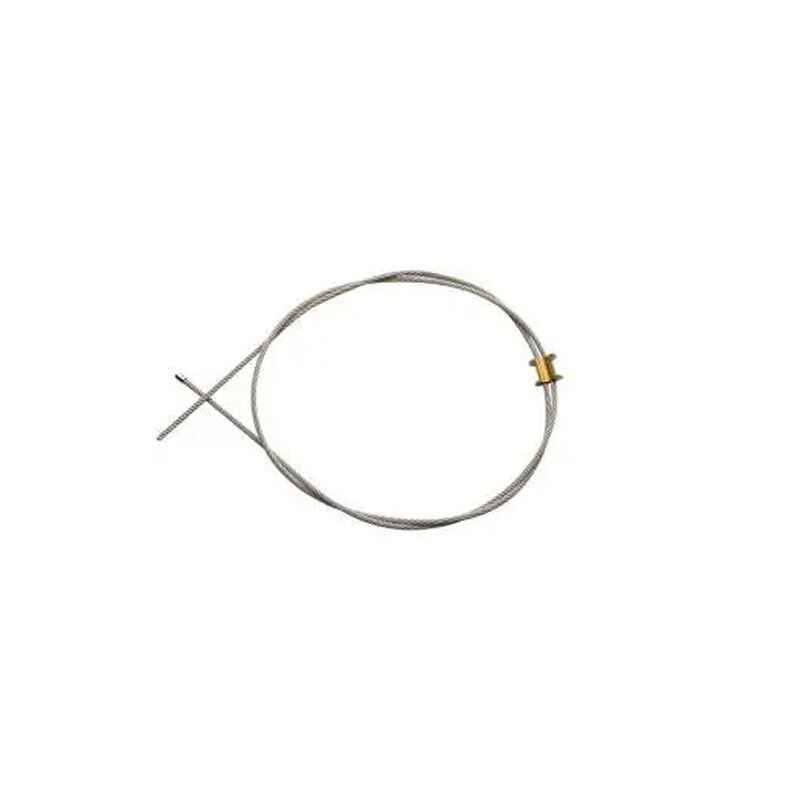
Closed-Loop Recycling of Titanium Scrap
Recovering machining swarf and offcuts through integrated closed-loop systems
Closed loop systems for titanium machining collect waste materials right where they're created. These systems grab things like metal shavings and leftover pieces during processing, then sort them out and send them back into production all within the same building. The result? Manufacturers depend about 40 percent less on fresh titanium from mines when making precision parts, yet still meet those strict quality requirements needed for aerospace components and medical devices. Top tier operations actually recover over 95% of their materials thanks to special filters and vacuum arc purification methods. This matters a lot because it stops different metals from mixing together, which is critical for stuff like hip replacements where even tiny amounts of contamination can cause serious problems down the road.
Economic and environmental ROI of titanium scrap recovery in medical cable lines
For medical cable makers, recycling titanium scrap brings both financial benefits and environmental advantages. The numbers tell the story pretty clearly - facilities that implement this practice typically save around $740k each year according to recent industry reports from 2024. Plus, carbon emissions fall dramatically, hitting about 75% less than when working with brand new titanium materials. What's interesting is how much energy gets saved too. Roughly 30% of what companies normally spend on operations gets cut just from those efficiency gains. Looking at full product lifecycles shows another benefit: every plant manages to keep roughly eight tons out of landfills yearly. Beyond the bottom line impact, these results really boost ESG scores and help meet FDA tracking standards without any issues regarding material safety or meeting regulations that govern medical devices.
Energy Optimization and Low-Carbon Melting Technologies
Titanium’s high melting point and reactivity make its processing energy-intensive—accounting for over 60% of total production emissions, according to clean manufacturing studies. Strategic energy optimization is therefore essential to decarbonizing medical-grade titanium cable manufacturing.
Lifecycle assessment: Vacuum arc remelting vs. plasma melting for Ti-6Al-4V cable stock
The titanium industry has two main methods for creating Ti-6Al-4V cable stock: vacuum arc remelting (VAR) and plasma melting. VAR typically requires around 8 to 10 kilowatt hours per kilogram and produces better microstructural consistency, which matters a lot for how well surgical cables hold up over time. On the other hand, plasma melting cuts down on energy consumption by roughly 25 to 30 percent thanks to those powerful ionized gas jets. When renewable power sources are used, this method slashes carbon dioxide emissions by about 40%, which makes it pretty attractive for manufacturers focused on green practices in orthopedic implant production. Plus there's an added benefit of improved material yield rates between 7 and 9 percentage points, meaning less waste going back up the supply chain and saving money in the process.
Renewable energy integration in forging, heat treatment, and wire-drawing stages
Downstream thermal and mechanical processes offer major decarbonization leverage:
- Forging: Hydropower-driven presses eliminate 1.2 tons of CO₂ per ton of titanium processed
- Heat treatment: Solar-thermal systems supply 70% of annealing energy needs
- Wire-drawing: Wind-powered direct drives reduce grid dependence by 45%
Smart energy management systems synchronize intermittent renewable generation with continuous production demands. Facilities deploying this integrated approach report 50—60% reductions in cradle-to-gate emissions for surgical cables—proving that deep decarbonization is operationally viable for high-integrity implant materials.
Green Machining Practices for Titanium Cable Production
Minimum quantity lubrication (MQL) in CNC wire-drawing and swaging
Minimum Quantity Lubrication or MQL delivers tiny amounts of lubricant (usually under 0.1 liters per hour) right where it's needed at the cutting interface during operations like wire drawing and swaging. This approach gets rid of traditional flood cooling methods but still keeps things cool enough and maintains good surface quality on parts. According to research published in the Journal of Cleaner Production back in 2019 by Gajrani and colleagues, companies using MQL can cut their lubricant usage by around 90 percent. They also save about 83% on getting rid of used fluids and see roughly a 50% improvement in how smooth surfaces turn out when working with titanium alloys. Medical cable manufacturers especially benefit because they don't have to deal with expensive cutting fluid filtration systems anymore. The shop floors stay cleaner too, which matters a lot since any contamination might affect biocompatibility standards. Parts made this way won't degrade over time either, so there's no risk of compromised implant safety down the road. Most businesses that switch to MQL start seeing their money back within just 18 months thanks to savings on buying new lubricants and treating wastewater.
Responsible Sourcing and Supply Chain Transparency
Traceability frameworks for conflict-free, low-carbon titanium sponge
Blockchain technology is creating stronger tracking systems that follow titanium sponge all the way from mines to processing plants, checking where materials come from and how much carbon gets emitted along the way. With this kind of visibility, we can stop unethical practices happening in mining areas and cut down on greenhouse gases throughout the supply chain by around 30% compared to traditional methods. The system gives clear evidence that products have a low carbon footprint, which helps companies meet requirements like those set out in the EU Battery Directive and builds confidence among partners who manufacture medical devices. What's really valuable too is that these tracking systems highlight real improvements that manufacturers can implement, such as switching from coal powered processes to ones driven by hydroelectric energy when making the raw material needed for surgical cables used in hospitals worldwide.
FAQ
What is closed-loop recycling in titanium processing?
Closed-loop recycling is a process where waste materials like metal shavings and offcuts generated during production are collected, sorted, and returned to the same production cycle. This approach reduces reliance on new titanium and ensures quality by preventing material contamination.
How does titanium recycling benefit medical cable manufacturers?
Recycling titanium scrap in medical cable production results in significant cost savings and environmental benefits. By recycling, manufacturers save millions annually, cut carbon emissions by 75%, and reduce energy consumption by 30%, all while meeting regulatory standards.
What are the advantages of plasma melting over vacuum arc remelting?
Plasma melting uses ionized gas jets to reduce energy consumption by 25–30% compared to vacuum arc remelting, and it decreases carbon emissions by 40% when renewable energy is used. Plasma melting also improves material yields, reducing waste.
How do renewable energies contribute to titanium manufacturing?
Integrating renewable energy sources such as hydropower, solar, and wind into processes like forging, heat treatment, and wire drawing substantially decreases carbon emissions and operational costs while maintaining production efficiency.
What is Minimum Quantity Lubrication (MQL) and its benefits in CNC machining?
MQL is a method of applying tiny amounts of lubricant directly at the cutting interface, reducing lubricant usage by 90%, enhancing surface quality by 50%, and lowering waste disposal costs by 83% in titanium processing.
How does blockchain enhance traceability in titanium supply chains?
Blockchain provides a transparent tracking system from mines to processing, reducing unethical practices and greenhouse gas emissions by 30%. It verifies low-carbon product claims, improving compliance with global regulations.
Table of Contents
- Closed-Loop Recycling of Titanium Scrap
- Energy Optimization and Low-Carbon Melting Technologies
- Green Machining Practices for Titanium Cable Production
- Responsible Sourcing and Supply Chain Transparency
-
FAQ
- What is closed-loop recycling in titanium processing?
- How does titanium recycling benefit medical cable manufacturers?
- What are the advantages of plasma melting over vacuum arc remelting?
- How do renewable energies contribute to titanium manufacturing?
- What is Minimum Quantity Lubrication (MQL) and its benefits in CNC machining?
- How does blockchain enhance traceability in titanium supply chains?