 EN
EN
 FR
FR
 ES
ES
 AR
AR

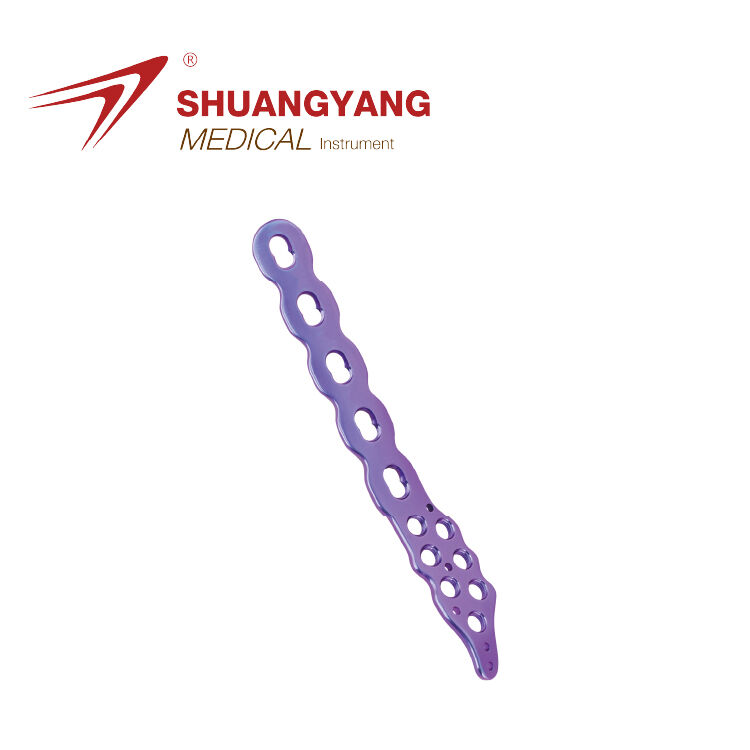
Regulatory Expectations for CAPA in Fibula Plate Manufacturing
The Role of CAPA in Ensuring Patient Safety and Device Quality
Effective Corrective and Preventive Action (CAPA) systems reduce fibula plate failure risks by 58% in post-market surveillance data (Medical Device Vigilance Report 2023). Regulators prioritize CAPA because unresolved manufacturing deviations directly correlate with increased surgical revisions. A robust CAPA process:
- Links material nonconformances to biological response risks
- Prevents repeat deviations in sterilization validation or mechanical testing
- Documents design changes impacting implant fatigue resistance
FDA Requirements for CAPA Under 21 CFR 820.100
Fibula plate manufacturers must follow eight specific CAPA requirements set by the FDA. These include setting statistical controls for machining tolerances, making sure corrective actions get verified in a closed loop within 60 days, and ranking nonconforming material reports based on risk factors. The regulatory landscape is changing fast too. More inspectors are turning to AI powered audit systems these days. These tools help track when companies implement their CAPA plans properly. Statistics show this tech has been used in about 72 percent of orthopedic device inspections since early 2022, marking a significant shift in how compliance is monitored across the industry.
Global Compliance: Aligning CAPA with ISO 13485 Standards
ISO 13485:2016 requires manufacturers to demonstrate CAPA effectiveness through three interlocking systems:
| System | Regulatory Purpose | Compliance Metric |
|---|---|---|
| Risk Management | Links CAPA actions to clinical harm | FMEA updates per defect pattern |
| Production Controls | Validates process changes | Dimensional stability R&R tests |
| Management Review | Tracks CAPA-driven QMS improvements | 12-month nonconformance trends |
This alignment reduces audit findings by 41% compared to siloed compliance approaches (Global Harmonization Task Force Data 2023).
Root Cause Analysis: The Foundation of Effective CAPA for Orthopedic Implants
Identifying True Root Causes in Fibula Plate Defects
The folks who do regulatory checks really stress about how effective CAPA systems are since roughly two thirds of implant recalls happen because companies didn't get to the bottom of what actually went wrong according to FDA numbers from last year. When things break down, it's usually not just one problem but several connected issues. Think about tiny cracks in materials that slip past inspection, changes in metal properties when sterilization goes off track, or poor designs that create weak spots around those little screw holes. Recent research shows something pretty telling too: almost four out of five manufacturers blame their problems on operators making mistakes at first glance, completely missing bigger system issues. This points to why we need better collaboration across departments looking at all sorts of data including production records, what suppliers certify, and even computer models that simulate how implants behave under real conditions.
Avoiding Common Pitfalls in Root Cause Investigations
Four recurring errors compromise CAPA effectiveness:
- Premature closure: Accepting "lack of training" without verifying actual knowledge gaps
- Single-source bias: Overreliance on production records instead of clinical feedback
- Temporal confusion: Mistaking sequence for causation
- Threshold blindness: Ignoring cumulative effects of minor process drifts
Regulatory citations show 42% of FDA Form 483s cite inadequate root cause evidence in post-market surveillance. Use fishbone diagrams alongside statistical process control charts to isolate variables in plate thickness or surface finish issues.
Case Study: Misdiagnosed Material Failures in Fibula Plates
A manufacturer recalled 12,000 units after 14 revision surgeries revealed fractures. Initial CAPA blamed "improper surgical technique" based on limited clinician interviews. A re-investigation using finite element analysis (FEA) identified the true causes:
| Factor | Initial Finding | Validated Root Cause |
|---|---|---|
| Fracture Location | Distal screw hole | Thread design flaw |
| Material Property | Within ASTM specs | Hydrogen embrittlement |
| Usage Data | "Normal" loading | Off-axis loading pattern |
This $2.7M recall could have been prevented with biomechanical simulation during CAPA verification. The case illustrates why ISO 13485:2016 requires validating corrective actions under real-use conditions.
Verifying and Validating CAPA Effectiveness in Production
Using Trend Analysis, Audits, and Sampling to Verify CAPA Success
Effective CAPA verification requires three complementary strategies:
- Trend analysis of nonconformance data over 6â12 months to detect systemic patterns like porosity or dimensional variance
- Process audits comparing observed practices against SOPsâFDA investigators identify procedural gaps in 27% of orthopedic inspections (2023 MedTech Compliance Report)
- Statistical sampling plans aligned with ANSI/ASQ Z1.4 to confirm defect reduction post-CAPA
Documentation and Recordkeeping Aligned with FDA Expectations
FDAâs 21 CFR 820.100 requires CAPA records showing:
- Root cause verification via engineering evaluation
- Action implementation timelines
- Effectiveness metrics across at least three production lots
A 2022 analysis of warning letters shows 43% of quality system citations arise from undocumented CAPA closure criteria, especially in post-market surveillance of orthopedic implants.
Key Metrics and Long-Term Monitoring for Sustained CAPA Performance
Top manufacturers track:
| Metric | Target | Monitoring Frequency |
|---|---|---|
| Recurrence rate | â¤0.5% per quarter | 24 months post-CAPA |
| Audit finding closure | <30 days | Biannual review |
| Customer complaint correlation | 10% reduction YoY | Trend analysis |
Balancing Documentation Depth with Real Verification Outcomes
While 89% of FDA-cleared CAPA protocols include comprehensive documentation, only 62% link records to demonstrated process improvements in ISO 13485 audits. Leading firms focus on:
- Replicating failure modes during validation testing
- Cross-departmental review panels for action sign-off
- Real-time production dashboards over static monthly reports
Common CAPA Implementation Gaps and Their Regulatory Impact
Recurrent Nonconformances Due to Inadequate CAPA Effectiveness Checks
When companies do only surface level CAPA reviews, they end up getting hit with regulatory citations all the time in the fibula plate manufacturing sector. A lot of manufacturers just look at whether defects drop off quickly in a single production run as their main success metric, completely overlooking bigger problems throughout the system. Take stress fractures in titanium plates for instance. If these aren't properly analyzed during quality checks, what happens? The company applies quick patch solutions that hold up fine in controlled testing environments but fall apart when subjected to actual patient loads. According to recent regulatory filings, about 62 percent of FDA Form 483 observations point directly to corrective actions that weren't properly validated. And let's not forget the financial impact either. Companies dealing with recurring compliance issues face around $3.8 million each year in fines across the orthopedic device industry.
Compliance Risks in Underperforming CAPA Systems: Lessons from Orthopedic Device Firms
Four major compliance risks emerge when CAPA systems lack rigor:
- Delayed production approvals: 33% of FDA premarket submissions face delays due to unresolved CAPA queries during quality system inspections
- Material specification conflicts: Cases where updated ASTM standards for cobalt-chromium alloys weren’t integrated into CAPA protocols, triggering ISO 13485 nonconformities
- Escalated legal exposure: Class III recalls of bone fixation devices rose 27% in 2023, primarily due to undocumented effectiveness checks on welded joint improvements
- Loss of EU MDR certifications: Five orthopedic manufacturers lost CE marks in Q1 2024 after audits revealed CAPA timelines exceeded MDR’s 60-day remediation requirement
Proactive alignment with 21 CFR 820.100(h) mitigates these risks by requiring cross-functional reviews of corrective actions across design, production, and post-market surveillance teams.
FAQ
What is CAPA and why is it important in fibula plate manufacturing?
Corrective and Preventive Action (CAPA) is a system implemented to identify and rectify errors or issues within a manufacturing process. In fibula plate manufacturing, CAPA is crucial as it minimizes failure risks and ensures patient safety.
How do FDA requirements influence CAPA systems?
The FDA sets specific requirements under 21 CFR 820.100 for CAPA systems, which include statistical controls and risk-based evaluations. Compliance with these requirements ensures that manufacturers adhere to quality standards and mitigate potential risks.
What role does ISO 13485 play in CAPA?
ISO 13485 stipulates how manufacturers should demonstrate CAPA effectiveness through risk management, production controls, and management review systems. It ensures a structured approach to compliance and reduces audit findings.
What are common pitfalls in root cause investigations?
Common pitfalls include premature closure of investigations, single-source bias, temporal confusion, and threshold blindness, all of which can compromise CAPA effectiveness.
How can trend analysis and audits improve CAPA verification?
Trend analysis and audits help identify systemic patterns and procedural gaps, ensuring CAPA systems effectively reduce defects and adhere to compliance standards.