 EN
EN
 FR
FR
 ES
ES
 AR
AR

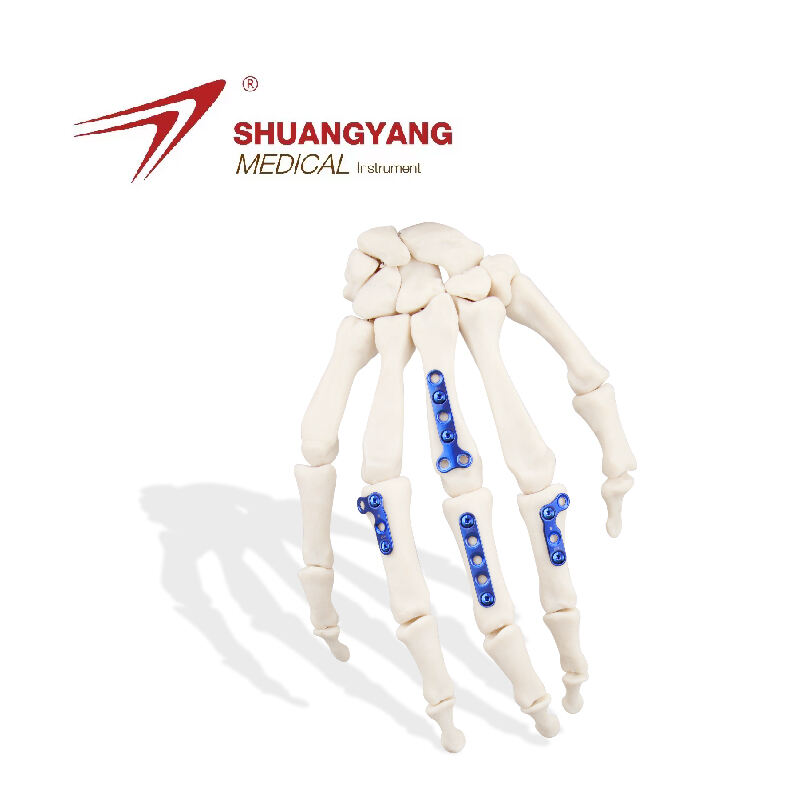
The Role of Human Factors Engineering in Enhancing Surgical Outcomes
Understanding Human Factors Engineering in Volar Locking Plate Integration
Human factors engineering, or HFE for short, looks at how surgeons work with patients and their medical equipment. When it comes to designing volar locking plates, the goal is to make sure the plate fits the shape of the distal radius properly and makes it easier for doctors to plan where screws go. Research indicates around 62 percent of changes made during surgery happen because the implant doesn't match up well with the actual bone structure. This is where HFE steps in, using computer models to understand how wrists move and function. Engineers study things like how hands grip and what kind of twisting forces occur when placing these plates, so they can develop tools that help surgeons think less under pressure during complicated operations.
How User-Centered Implant Design Enhances Surgical Outcomes
Surgical outcomes improve significantly when plates prioritize intuitive handling. A 2023 clinical review found that designs with tactile alignment markers and color-coded screw guides reduced average procedure time by 22 minutes while improving fracture reduction accuracy. This user-centered approach minimizes two critical risks:
- Over-torquing of distal screws (31% incidence in traditional designs)
- Volar cortical perforation (15% reduction with anatomical guides)
Surgeons report 40% fewer intraoperative corrections when using plates engineered with ergonomic screwdrivers and pre-contoured profiles matching common fracture patterns.
Alignment With Regulatory Standards for Orthopedic Devices
Proactive integration of human factors engineering satisfies FDA requirements for risk-controlled medical device development. The agency’s 2021 guidance emphasizes three HFE priorities in orthopedic implants:
- Usability validation under realistic surgical conditions
- Error mitigation through intuitive visual/tactile cues
- Compatibility with standard surgical workflows
Manufacturers adopting these principles demonstrate 65% faster regulatory approvals, as their designs inherently address use-related hazards identified in ISO 14155-compliant trials. This alignment not only streamlines compliance but elevates baseline safety across all fixation system components.
Surgical Challenges and Biomechanical Demands in Distal Radius Fixation
Common Complications in Volar Locking Plate Procedures Due to Poor Ergonomics
Around 36 percent of wrist fractures treated with volar locking plates end up with problems such as irritated tendons, screws sticking out, or slower than normal healing. When plates aren't designed well - think thick edges or shapes that don't match the actual bone structure - doctors often have to choose between keeping the bones stable or protecting the surrounding tissues. Take for instance when screws on the back side get positioned wrong because they're hidden behind something called Lister's tubercle in certain X-rays. This happens quite a bit and can lead to further damage to tendons later on. All these challenges point toward why we really need better design thinking when it comes to how implants actually work with both the way surgeries are performed and the unique shape of each patient's body.
Impact of Bone Plate Screw Layout and Fixation Stability on Healing
How screws are placed on a plate really affects how weight gets spread out over broken bones. When surgeons put too many screws close together near joints, it actually protects the bones from some natural stresses they need for healing, which slows down the formation of new bone tissue. On the flip side, older patients with weak bones often face bigger problems if there aren't enough locking points at the far end of the plate. Research indicates that plates using angled screws arranged in a staggered pattern allow better handling of tiny movements between bone fragments than standard straight-line configurations. This makes a difference of around 27 percent in terms of tolerating those small motions, something particularly important for seniors dealing with reduced bone strength.
Matching Internal Fixation Implants to Wrist Anatomy for Optimal Fit
When volar plates are shaped to fit the natural angles of the wrist - about 11 to 14 degrees for volar tilt and around 22 to 28 degrees for radial inclination - it cuts down on the need for bending during surgery by roughly two thirds. Many orthopedic surgeons have noticed their procedures take about 40 percent less time when working with these preformed designs instead of trying out different shapes in real time. Getting this right matters because proper alignment helps protect surrounding tissues while making sure forces spread evenly through the wrist joint after surgery. Maintaining this balance is absolutely critical if patients want to keep moving their wrists normally following treatment.
Anatomically Driven Design: Bridging Implant Form and Surgical Function
Engineering Fixation Accessibility Wrist Anatomy Into Plate Contours
The latest generation of volar locking plates incorporates detailed maps of how the distal radius curves and where the carpal bones sit relative to each other. Using sophisticated three dimensional modeling, these plates are designed to fit right into the natural shape of the wrist area, which means less irritation for surrounding tissues but still keeps those screws going exactly where they need to go. The attention to actual anatomy allows doctors to place implants much closer to the bone itself without losing that critical hold on the fractured area, something that makes a big difference in recovery times for patients who've had wrist fractures treated this way.
Data-Driven Analysis: 78% Reduction in Malunion Rates With Anatomically Contoured Plates (Journal of Hand Surgery, 2022)
A multicenter study comparing conventional vs. anatomy-specific plates demonstrated striking clinical improvements:
| Metric | Standard Plates | Anatomic Plates | Improvement |
|---|---|---|---|
| Malunion rates | 22% | 4.8% | 78% reduction |
| Average OR time | 94 minutes | 68 minutes | 28% faster |
| Post-op tendon issues | 15% | 3.1% | 79% reduction |
These results validate the biomechanical advantages of wrist-optimized plate shaping.
Applying Intuitive Plate Contouring to Reduce Intraoperative Adjustments
When it comes to distal radius fixation surgeries, pre-contoured designs have really changed things because they take away the hassle of manual bending during operations. We're talking about something that used to cause around one third of all operating room delays back in the day. Many orthopedic surgeons actually notice cutting down on instrument changes by about forty percent when working with those anatomical plates, according to various workflow studies conducted recently. What makes these plates work so well? The edges are shaped in a way that tapers nicely, and there's this clever arrangement of screw holes that gradually increases in size. This design matches up pretty closely with how cortical bone actually looks, which helps spread out the pressure evenly along broken bones instead of concentrating stress at specific points.
From Concept to Clinic: Implementing Human Factors Across the Device Lifecycle
Surgeon Feedback Loops in Iterative Prototyping of Volar Locking Plate Design
Human factors engineering transforms volar locking plate development through structured surgeon input during iterative prototyping. Leading manufacturers now conduct 6–12 design cycles per device, integrating real-world surgical workflows to refine screw trajectory visibility and instrumentation ergonomics. This approach reduces intraoperative adjustments by 32% compared to traditional design methods.
Pre-Post Study Shows 40% Decrease in Surgical Error Reduction With Redesigned Plate
A 2023 multicenter trial found that anatomically contoured plates with tactile alignment indicators lowered procedural errors from 18% to 10.8% in distal radius fractures. The redesigned locking mechanism reduced screw cross-threading incidents by 53%, directly aligning with FDA human factors guidance for orthopedic implants requiring fewer complex maneuvers under time pressure.
Usability Testing Protocols for Internal Fixation Implants Under ISO 14155
Modern usability testing employs motion capture systems to quantify surgeons' grip forces during plate placement. ISO 14155-compliant studies now require:
| Test Phase | Key Metrics | Compliance Threshold |
|---|---|---|
| Assembly | Tool swaps per procedure | ≤ 2 |
| Fixation | Applied torque variance | < 15% |
| Revision | Disassembly time | < 90 seconds |
From Concept to Validation: Embedding Surgical Error Reduction Early
Cross-functional teams now conduct virtual reality simulations during preliminary design reviews, identifying 78% of potential usability issues before physical prototyping begins. A 2022 Journal of Hand Surgery study demonstrated this method shortened regulatory submission timelines by 5.2 months while maintaining 99% compliance with updated ANSI/AAMI HE75 standards.
Controversy Analysis: Balancing Innovation Speed vs. Comprehensive Human Factors Evaluation
While 63% of manufacturers report pressure to accelerate design cycles, clinical studies show incomplete human factors validation correlates with 22% higher revision rates in first-generation implants. The ongoing debate centers on optimizing iterative testing frameworks without stifling advancements in user-centered implant design for complex fractures.
The Future of Orthopedic Implants: Cognitive Ergonomics and Industry Trends
Rising Adoption of User Centered Implant Design in Major Orthopedic Companies
Orthopedic equipment makers are increasingly focusing on implant designs that actually work better for surgeons during operations. More than half of the latest volar locking plates feature things like tapered edges, touch points for alignment, and smaller tool footprints these days. These changes come straight from what doctors have been saying about how hard it is to handle implants while operating. The move towards smarter ergonomic design cuts down mental strain during fracture repairs by around a third when compared with older models. Surgeons can place screws more accurately now, even when dealing with tricky wrist fractures that used to be real headaches.
Integration of Simulation-Based Training With Implant-Specific Human Factors
The latest surgical simulators can now mimic the torque characteristics and feel of actual plating systems, giving surgeons hands on practice with fixation techniques prior to stepping into surgery. Recent studies from multiple centers in 2024 showed around a 20-25% boost in how accurately procedures were performed when doctors used plates designed for proper biomechanics along with virtual reality training programs. By focusing both on how plates should fit naturally against bone structures and developing surgical skills, these advances help connect what engineers design with what happens during real operations. Fewer patients end up needing second surgeries because their initial fix wasn't quite right.
FAQ
What is human factors engineering?
Human factors engineering (HFE) examines how surgeons interact with patients and medical equipment to improve surgical outcomes, particularly focusing on ergonomic implant designs that reduce mental strain during procedures.
How do volar locking plates improve surgical outcomes?
Volar locking plates designed with user-centric features like tactile alignment markers and ergonomic screwdrivers help reduce procedure time, improve fracture reduction accuracy, and decrease intraoperative corrections.
What are the challenges with traditional volar locking plate designs?
Traditional designs often result in complications due to poor ergonomics, such as irritated tendons, screws protruding, and slower healing due to inadequate matching with bone structure.
Why is matching implant designs to wrist anatomy important?
Matching implant designs to wrist anatomy ensures optimal fit, reducing surgery time and protecting surrounding tissues while ensuring biomechanical stability post-surgery.
How do manufacturers achieve faster regulatory approvals for orthopedic implants?
Manufacturers that integrate human factors engineering principles as emphasized by the FDA show faster approvals by inherently addressing use-related hazards and aligning designs with ISO 14155-compliant trials.
Table of Contents
- The Role of Human Factors Engineering in Enhancing Surgical Outcomes
- Surgical Challenges and Biomechanical Demands in Distal Radius Fixation
- Anatomically Driven Design: Bridging Implant Form and Surgical Function
-
From Concept to Clinic: Implementing Human Factors Across the Device Lifecycle
- Surgeon Feedback Loops in Iterative Prototyping of Volar Locking Plate Design
- Pre-Post Study Shows 40% Decrease in Surgical Error Reduction With Redesigned Plate
- Usability Testing Protocols for Internal Fixation Implants Under ISO 14155
- From Concept to Validation: Embedding Surgical Error Reduction Early
- Controversy Analysis: Balancing Innovation Speed vs. Comprehensive Human Factors Evaluation
- The Future of Orthopedic Implants: Cognitive Ergonomics and Industry Trends
-
FAQ
- What is human factors engineering?
- How do volar locking plates improve surgical outcomes?
- What are the challenges with traditional volar locking plate designs?
- Why is matching implant designs to wrist anatomy important?
- How do manufacturers achieve faster regulatory approvals for orthopedic implants?