 EN
EN
 FR
FR
 ES
ES
 AR
AR

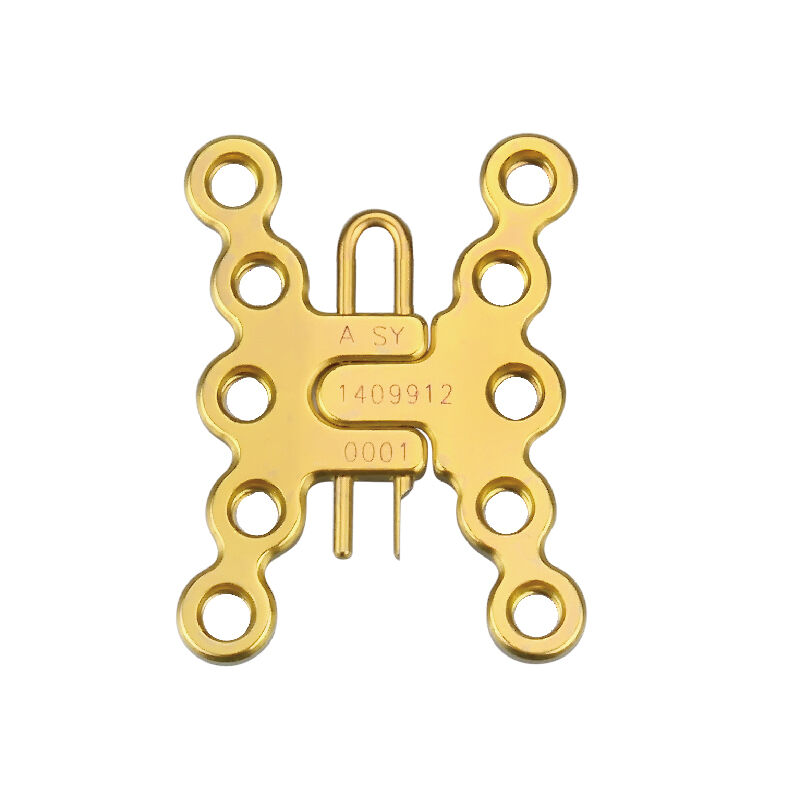
Complying with FDA Human Factors Guidance for Surgical Rib Fixation Instruments
The FDA's human factors guidelines insist that validation studies show rib fixation tools work properly when real users handle them during important procedures. According to research published in JAMA Surgery last year, around seven out of ten recalled surgical devices end up back on shelves because people made mistakes using them. That's why thorough testing of how these tools actually perform matters so much. When developing rib plating systems specifically, manufacturers need to check if their instruments function correctly in simulated trauma situations. They also have to ensure doctors get enough tactile feedback to place screws accurately, plus test what happens when someone needs to remove a plate quickly during an emergency. Looking at recent applications submitted to regulatory bodies, there seems to be growing focus on hitting at least 95% success rate for basic operations like reducing fractures and shaping plates to fit patients' unique anatomy. Getting close to that mark isn't just about meeting standards it's about saving lives too.
Securing IRB Approval for Usability Studies Involving Healthcare Professionals
Getting approval from an Institutional Review Board (IRB) really comes down to three main things: making sure participants stay safe, keeping their data private, and showing that the research matters clinically. Researchers often need to show they've set up mock operating rooms complete with emergency plans, collected anonymized videos, and created realistic test situations designed by actual surgeons. A recent survey published in the New England Journal of Medicine back in 2024 found something interesting too. About two thirds (that's 68%) of thoracic surgeons say they rely heavily on studies that have gone through the IRB process when looking at new rib stabilization tech. This makes sense because these boards help maintain standards that everyone in medicine respects, ensuring both ethical practices and trustworthy results for patients.
Identifying Critical Tasks Through Use-Related Risk Analysis (URRA)
The Use-Related Risk Analysis approach focuses on those tricky moments during rib fixation procedures where things can go wrong. Think about how plates are placed compared to broken bones, controlling screw depth when dealing with weak osteoporotic bone, and making sure equipment stays sterile between surgeries. Real world evidence after products hit the market suggests that implementing URRA cuts down on mistakes made during trauma surgery tool usage by around 80 percent according to research published last year in Annals of Surgery. The FDA has recently emphasized something pretty important too - surgeons need to map out their entire workflow from planning what they'll do before surgery all the way through assessing results afterward as part of validating these systems. This helps catch risks across every stage of treatment rather than just looking at isolated parts.
Designing the Usability Test: Tasks, Participants, and Simulation Environment
Defining Realistic Surgical Tasks for Rib Plating Device Evaluation
Test scenarios should mirror high-stakes conditions such as periosteal stripping under time constraints or contouring plates for complex fractures. Task complexity directly influences error rates; a 2023 URRA identified improper screw placement as the most frequent critical task requiring validation. Scenarios must reflect real-world demands to uncover latent design flaws.
Recruiting Representative Users: Thoracic Surgeons, Residents, and OR Staff
Participants should reflect actual operating room dynamics: 60% attending surgeons, 30% residents, and 10% scrub technicians, per FDA human factors guidance. Including both experienced users and those unfamiliar with the device generation helps assess learnability and training efficacy across user types.
Creating a Simulated Use Environment That Mirrors Trauma and Surgical Conditions
Realistic simulation setups now incorporate detailed anatomical models that accurately reflect variations in rib cartilage density. These environments also feature background noise levels between 68 and 72 decibels, similar to what's heard in actual emergency operating rooms. Time constraints are built into the simulations too, creating scenarios that mimic the chaos of treating multiple injuries at once. Research from last year found something interesting when looking at how people perform under blood loss stress situations. The study noted around 23 percent more mistakes made during these stressful tests compared to regular lab conditions. This highlights why it's so important to test medical procedures in realistic settings if we want to spot potential problems before they happen in real life.
This structured approach ensures usability testing yields actionable insights while meeting regulatory expectations for human factors validation.
Developing and Executing the Usability Test Protocol
Writing a Comprehensive Test Protocol with Moderator Guides and Screening Criteria
The protocol follows FDA human factors guidelines pretty closely and comes with standard moderator guides so everyone gets similar results when working with different user groups. When selecting participants, we look for people with at least two years experience in trauma surgery and also check what kind of devices they've worked with before. There are several important parts to this setup. First, there's the order of tasks during both emergency situations and regular procedures. We also have safety lists for dealing with sharp parts of the equipment. And finally, we rate how serious problems might be using those ISO 62366-2 risk matrices from 2023. This helps us understand potential risks better.
Conducting Usability Sessions Through Observation and Real-Time Interaction
Data collection happens across three main areas according to trained observers. First there are behavioral metrics, looking at things like how long it takes surgeons to complete rib reduction maneuvers. A recent 2023 simulation study found the average completion time was around 4.2 minutes with some variation. Then we get into ergonomic feedback, which includes observations about grip adjustments when placing sternal screws. The third stream focuses on cognitive aspects, analyzing what surgeons actually say during simulated pneumothorax scenarios through verbal protocols. Putting all these together gives researchers a comprehensive view of not just what surgeons do, but also how they think through complex situations in real time.
Capturing Performance Data During Simulated Rib Fixation Procedures
Performance is quantified using high-resolution metrics:
| Metric | Validation Threshold | Measurement Protocol |
|---|---|---|
| Device preparation time | 90 seconds | TÜV SÜD certified timing equipment |
| Reduction attempts | Single-pass success 85% | Motion capture during synthetic rib manipulation |
| Hazard notifications | 100% recognition | Eye-tracking of warning indicators |
Devices meet validation benchmarks when surgeons achieve error-free plate contouring in at least 95% of test cases under moderate hemorrhage simulations, consistent with the 2023 AAMI/UL usability benchmark.
Evaluating Usability: Goals, Metrics, and Surgeon Workflow Analysis
Setting Clear Usability Goals: Safety, Efficiency, Learnability, and Accuracy
Usability testing must target measurable outcomes aligned with FDA expectations. Most validation studies focus on four core goals:
- Safety: Minimize use-related risks during plate and screw placement
- Efficiency: Reduce time-to-completion for fracture reduction by 30% versus legacy systems
- Learnability: Enable 90% of first-time users to reach competency within two simulated procedures
- Accuracy: Maintain 2mm deviation in implant positioning across anatomical models
These objectives address key risks identified in URRA, such as improper screw angulation and plate misalignment, which contribute to 34% of thoracic trauma complications (FDA Human Factors Guidance Document 2023).
Measuring Task Success Rates and Performance Metrics for Rib Plating Devices
Outcomes are assessed across three performance tiers:
| Metric | Target Threshold | Data Collection Method |
|---|---|---|
| Procedural success rate | 95% | Video analysis of plating sequences |
| Error-free executions | 85% | Observer checklists |
| Time per fixation | 8.5 minutes | Simulated OR timestamps |
Recent studies indicate advanced plating systems achieve 91% first-attempt success in flail chest simulations, though 23% of users still require corrections during posterior rib access, revealing opportunities for design refinement.
Assessing Integration into Surgeon Workflow During Validation Testing
The final assessment looks at how fixation tools actually fit into surgical workflows during real operations. Important factors to consider are when instruments get passed between team members, how often they need to be moved around during minimally invasive surgeries, and whether they work well with regular thoracotomy trays used in operating rooms. According to a recent simulation study from 2024, any device that causes three or more interruptions in the normal workflow tends to add about 19 extra minutes to the surgery time, which is statistically significant. Today's video analysis technology can track no fewer than 14 different points where these tools interact with the overall process, starting right before the operation begins all the way through to after everything has been cleaned up. This detailed tracking gives surgeons valuable information about how well these medical devices truly integrate into their daily routines.
FAQ
What is FDA human factors guidance?
The FDA human factors guidance outlines how medical devices should be tested to ensure they are effective and safe for real-world use by healthcare professionals.
Why is IRB approval necessary for usability studies in healthcare?
IRB approval is necessary to ensure the safety of participants, the confidentiality of data, and the clinical relevance of the research.
What are the main usability goals in surgical instrument testing?
The primary goals include ensuring safety, efficiency, learnability, and accuracy during the use of surgical tools.
How is performance measured during usability testing of surgical devices?
Performance is measured through various metrics, including device preparation time, reduction attempts, hazard notifications, and task success rates.
Table of Contents
- Complying with FDA Human Factors Guidance for Surgical Rib Fixation Instruments
- Securing IRB Approval for Usability Studies Involving Healthcare Professionals
- Identifying Critical Tasks Through Use-Related Risk Analysis (URRA)
- Designing the Usability Test: Tasks, Participants, and Simulation Environment
- Developing and Executing the Usability Test Protocol
- Evaluating Usability: Goals, Metrics, and Surgeon Workflow Analysis
- FAQ