Shuangyang Building, Yangshe Town, Zhangjiagang City, Jiangsu Province, China.
Shuangyang Building, Yangshe Town, Zhangjiagang City, Jiangsu Province, China.
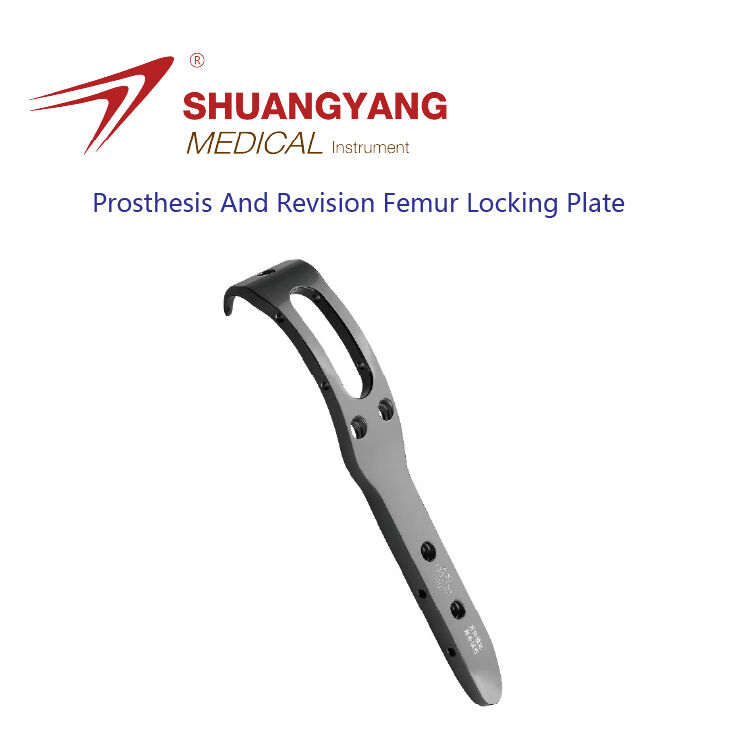
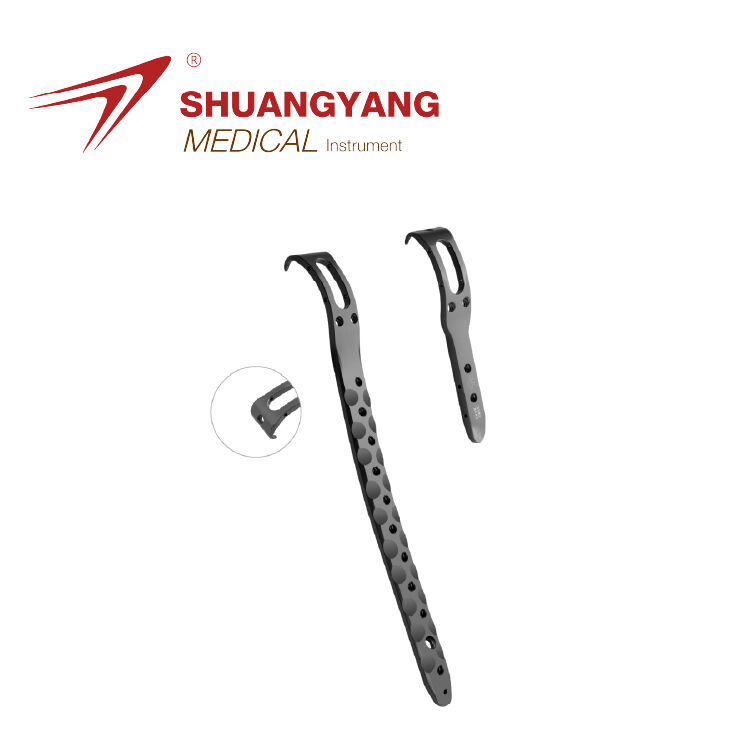
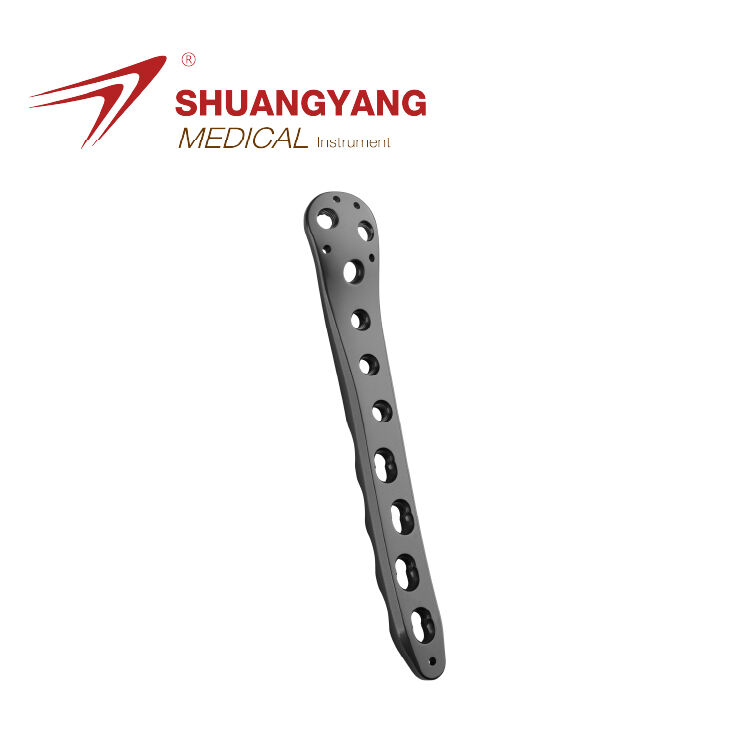
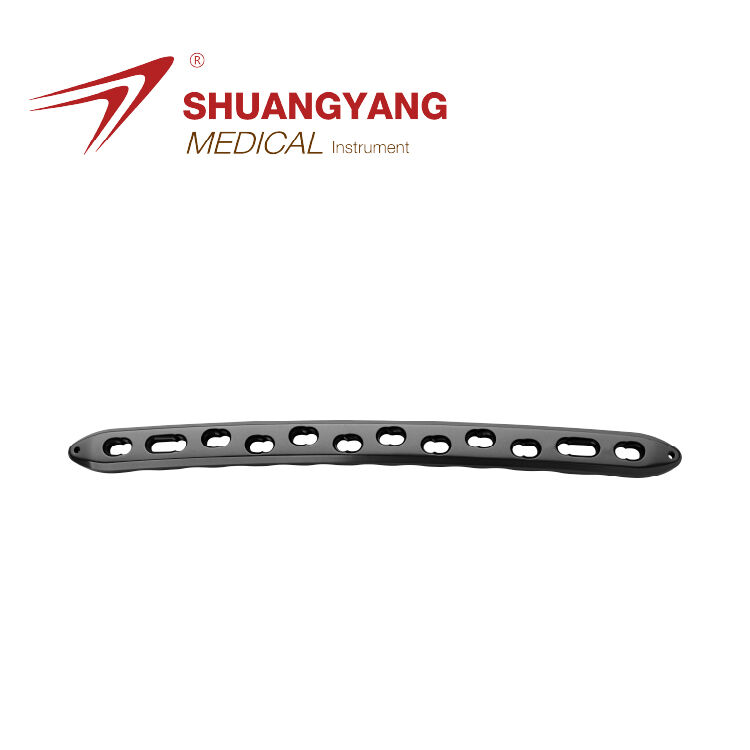
Prosthesis and revision femur locking plate
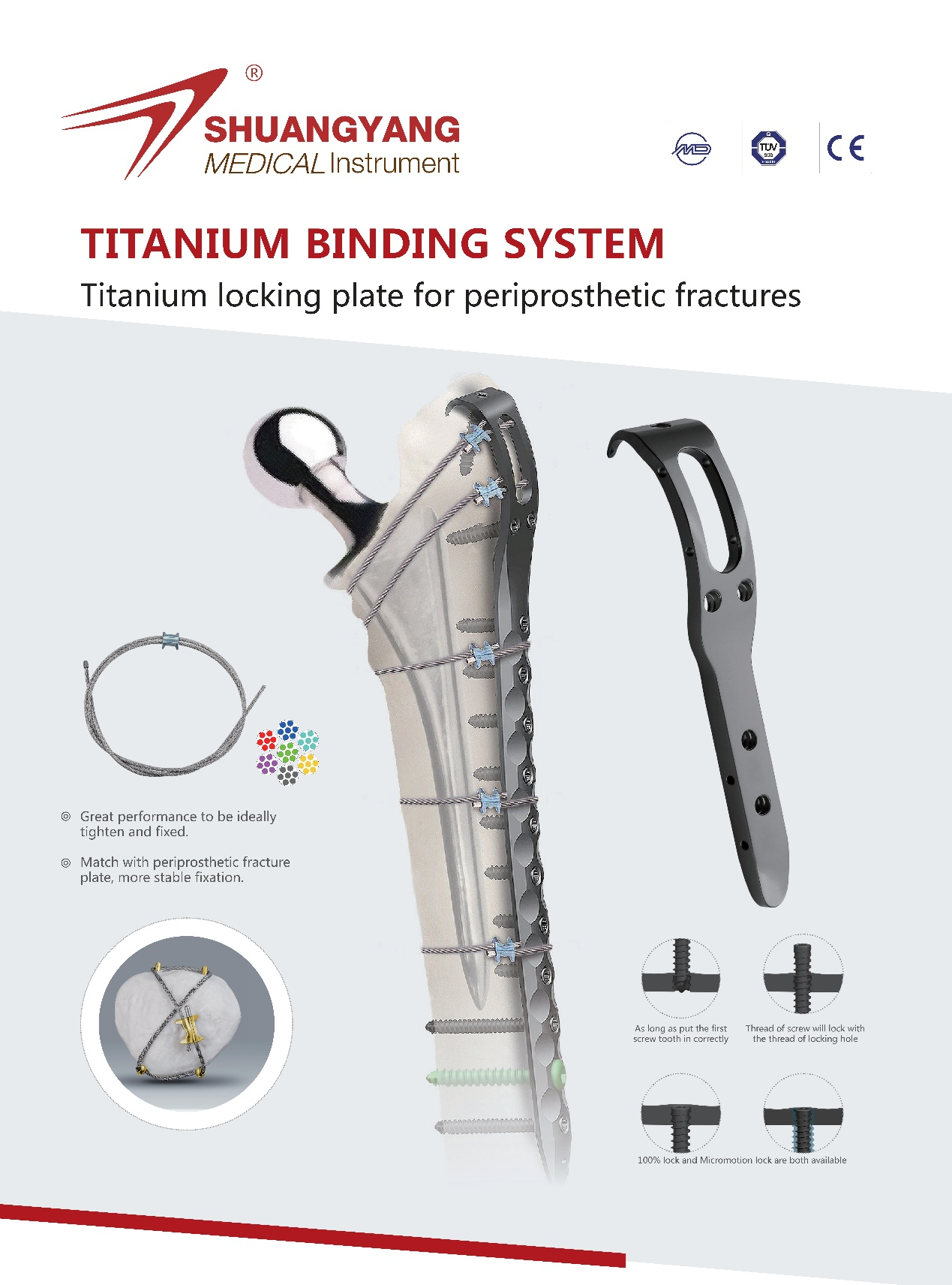
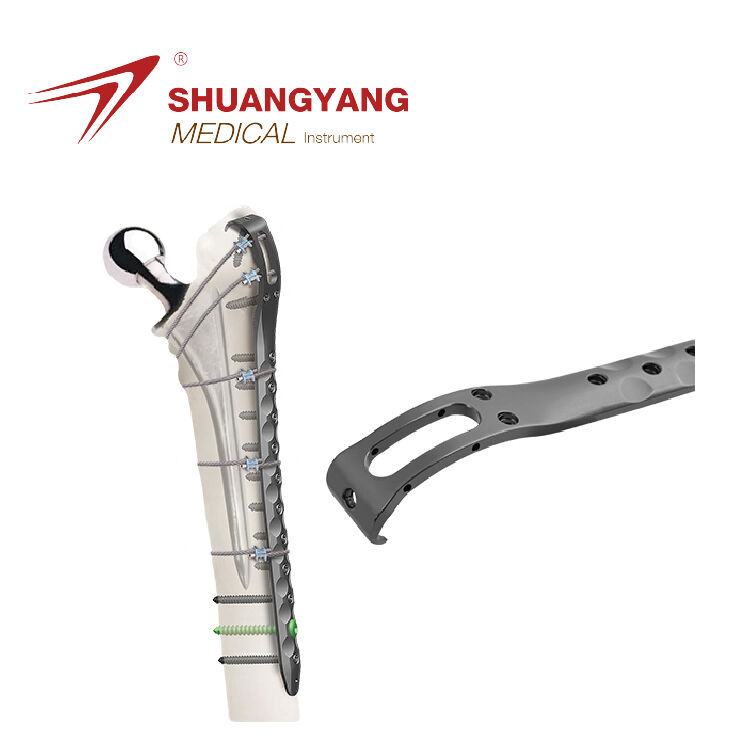
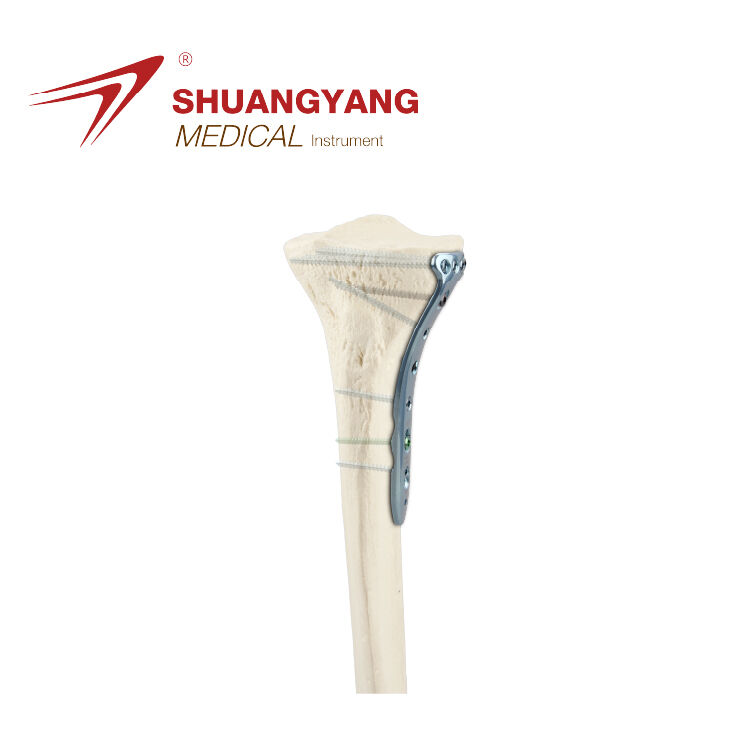
The Locking Femoral Prosthesis Revision Plate is a highly specialized internal fixation system designed for revision surgery following total hip arthroplasty, addressing cases involving prosthesis loosening, osteolysis, bone defects, or periprosthetic fractures. It must overcome three core challenges: the presence of the original prosthesis, severe bone defects, and an unfavorable biological environment.
Features:
Features:
1. Core Design Objective
Achieve ultimate stability in cases of prosthesis coexistence and bone defects.
2. Proximal Design
Asymmetrical or branched design allows the plate to “bypass” or “wrap around” the prosthesis shoulder, providing additional fixation points.
3. Screw Hole Design
Multi-axial/universal locking holes with specially planned screw trajectories to avoid prosthesis stems, anchoring into valuable residual bone.
4. Prosthesis Compatibility
Designed to coexist with multiple prosthesis stems (especially cementless types) while preventing impact.
5. Auxiliary Fixation
Often integrated or compatible with circumferential holes/wings for securing titanium cables to counteract rotation.
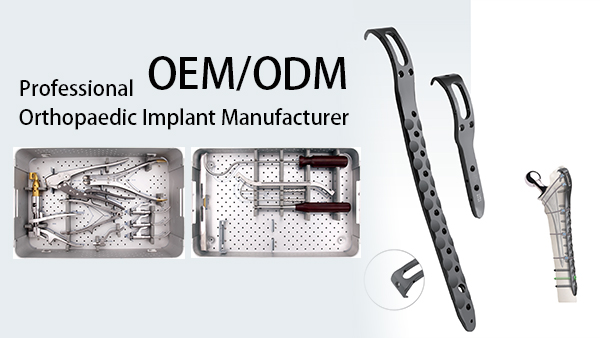
Technical Specifications:
Operative Procedure:
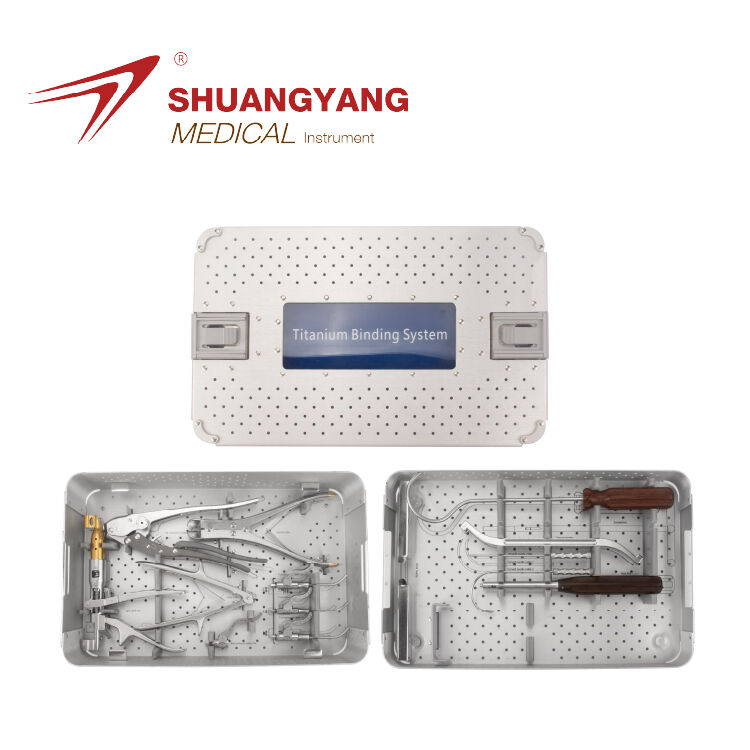
Take prosthesis and revision femur locking plate for example to introduce titanium
binding system
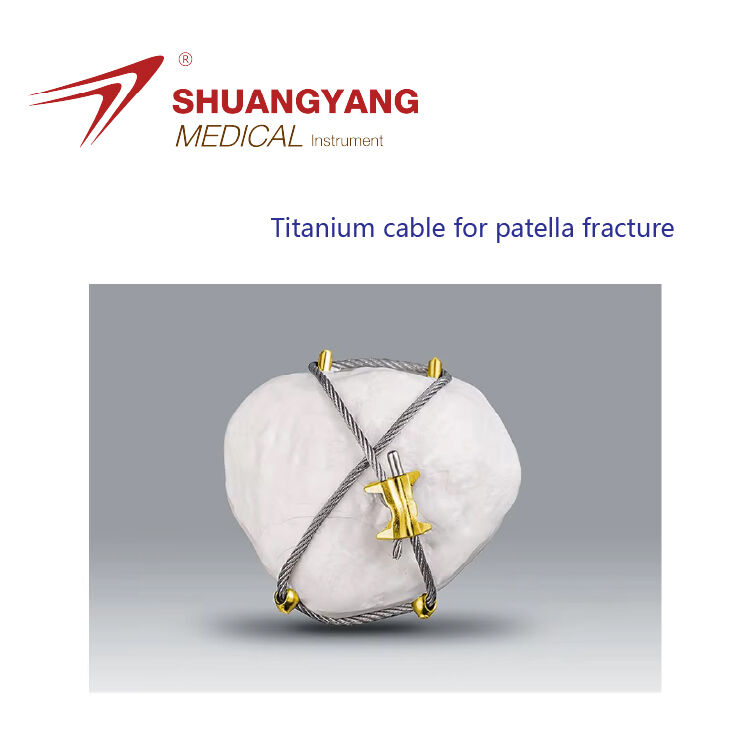
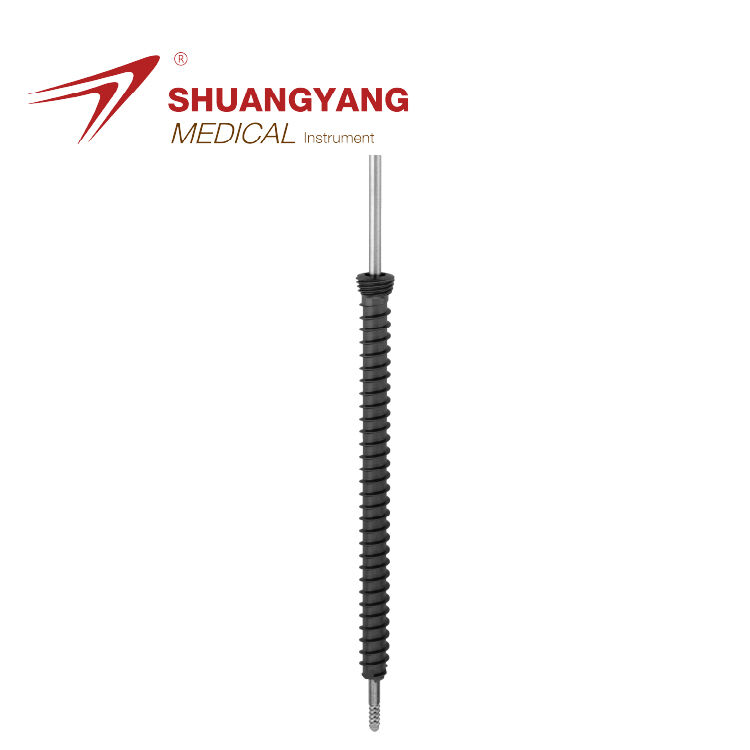
Prosthesis and revision femur locking bone plate (here in after referred to as bone plate) has four specifications --- When the 2 holes bone plate is used with titanium cable, 4 pieces cables need pass through the plate's cable holes and bind; When the other three specification bone plate is used with titanium cable, cables on the trochanter of femur need pass through the plate's cable holes, and cables on the femur backbone need match the R grooves.
For titanium cables that need to be bound through the plate's cable holes, the recommended technique is to pass the titanium cable through the plate's cable holes before connecting the bone plate to bone surface. Otherwise, it may be hard to pass cables later owing to the soft tissues.
NO1.Insert titanium cable
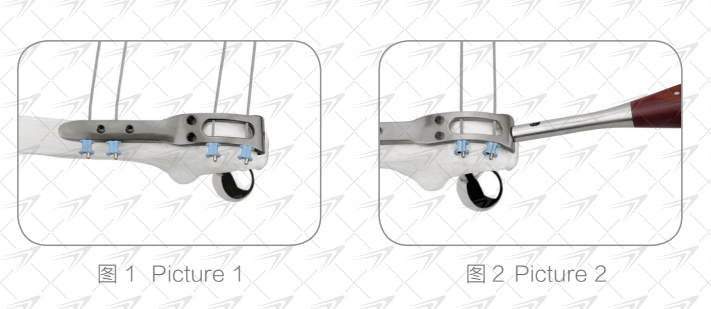
φ1.8 titanium cable (φ1.9 flat connector) can pass through the plate's cable hole from both side. When apply to the common femoral lateral approach, recommend passing from the back to front (picture 1). Use beat tool to knock the hook into greater trochanter (picture 2 ).
NO2.Use cable guide
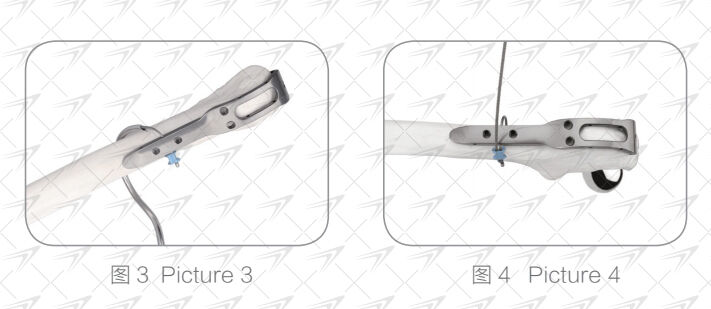
Lead cable guide against bone surface from back to front(avoid injury of soft tissue and blood vessels). Insert cable into the cable guide head, then withdrawal the guide (picture 3). Forward the cable through another hole of flat connector(flat connector has four claws to hold bone surface). The left cable will be in front (picture 4).
NO3.Tighten cable
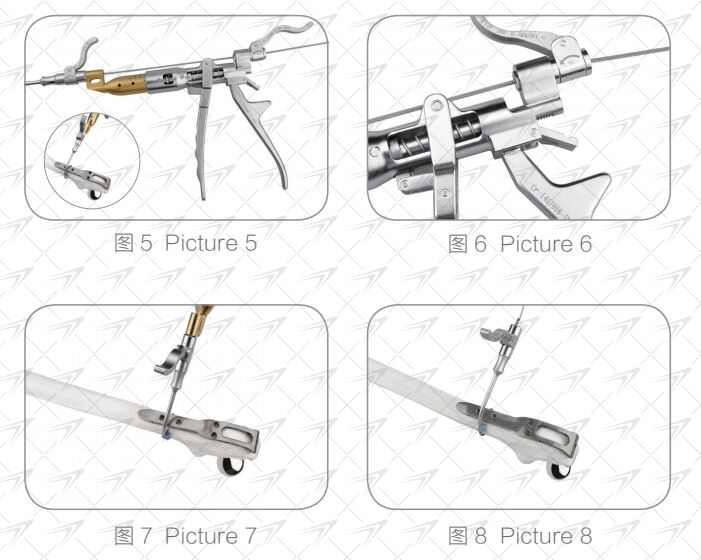
Pass all the left cable from front pressure cable lock to the back one. Straighten cable and lock the later pressure lock, press the trigger (picture 6). Lock the front pressure lock upon getting the expected tension (picture 7). Open the back pressure lock, remove the tighten tool (picture 8). (Remark: don't remove the front pressure lock!)Pay attention to the angle of tighten tool and flat connector, as parallel as possible. To avoid the cable stuck and guarantee getting expected tension.
NO4.Tighten/Tighten again
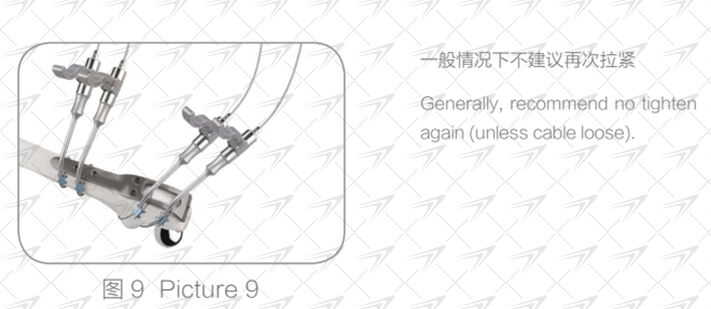
After finishing all cables, owing to the front pressure cable locks remain locked. Please
tighten again according to above steps if needed to get satisfying tension.
NO5.Fixed titanium cable(compress flat connector)
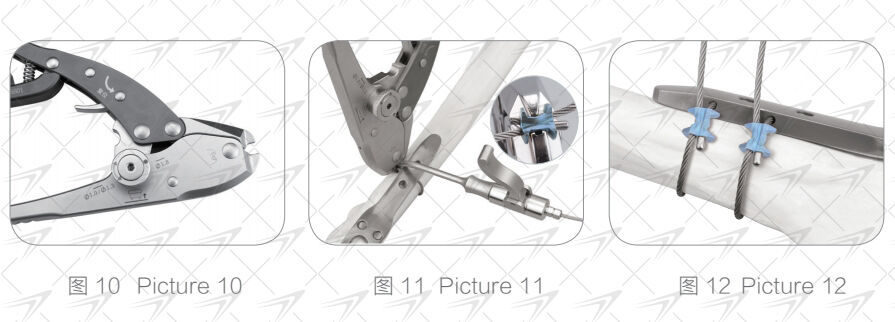
Adjust the gear to φ1.8 (picture 10), compress all flat connectors one by one(keep compressing over 10 seconds. picture 11). Then open the front pressure cable lock and remove (picture 12).
NO6. Cut titanium cable
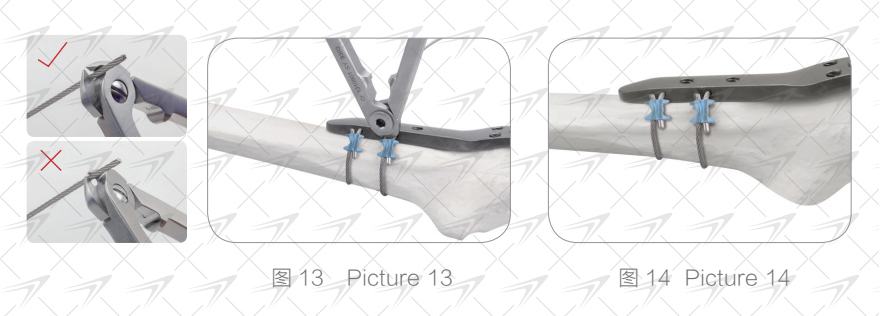
Cut titanium cable along the edge of flat connector(please cut one-time, if cut again, must lay gauze to avoid scraps of titanium cable). Then screwing in φ5.0 locking screws according to specific circumstances (matching φ5.0 locking instrument set).
Conclusion
The locking femoral prosthesis revision osteosynthesis plate stands as one of the ultimate tools for addressing the most complex scenarios in hip revision surgery. Its advantage lies not in replacing the prosthesis, but in rescuing a failing hip joint through sophisticated lateral engineering reconstruction—without requiring or permitting prosthesis removal.
A: Our products comply with international regulations and meet the necessary industry certifications. We are also certified to CE,ISO13485, ISO9001 and others. You can view more details of the certifications on the home page of our website.
A: shuangyang has a reliable shipping and logistics network to ensure prompt and secure delivery. Our team works closely with reputable carriers to provide efficient shipping services in around 120 countries.
A: The minimum order quantity may vary depending on the product and customizationrequirements, Pleasecontact our customer support team for specifc details related to your desired products.
 EN
EN
 FR
FR
 ES
ES
 AR
AR