 EN
EN
 FR
FR
 ES
ES
 AR
AR

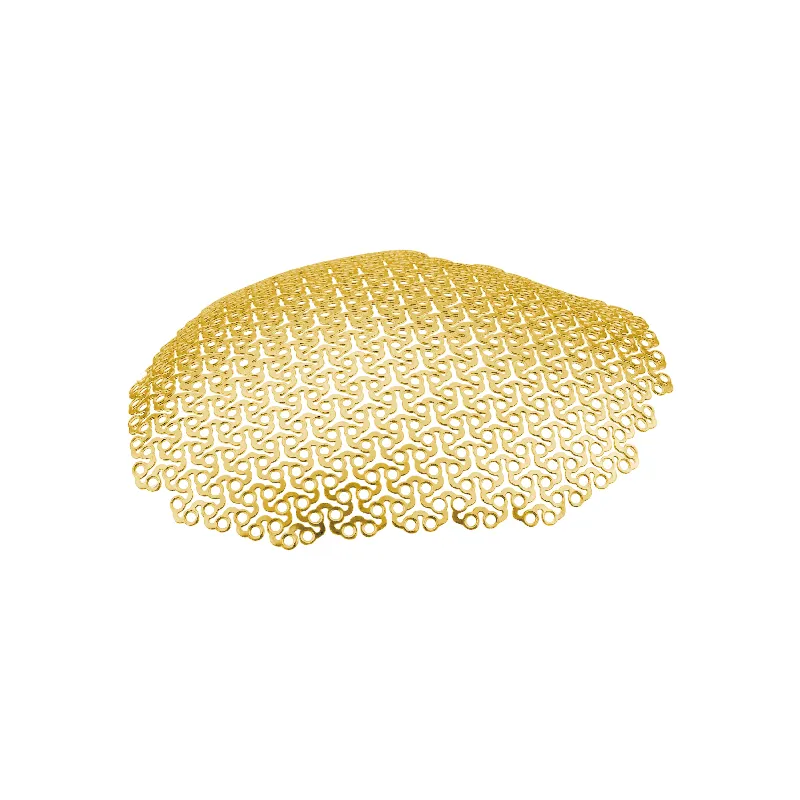
Why Surface Roughness Directly Governs Osseointegration in Titanium Mesh
Biomechanical Mechanism: How Microroughness (Ra 1.0–2.5 µm) Enhances Osteoblast Adhesion and Early Bone Bonding
Titanium mesh works best when its surface has a roughness in the Ra 1.0 to 2.5 micrometer range. This kind of texture actually makes the surface area bigger by about 40 to 60 percent compared to what we see on polished surfaces. And that matters because it helps proteins stick better and gets those osteoblast cells attached faster. When these bone-forming cells meet up with these tiny surface features, something interesting happens. They start changing really quickly. Tests show alkaline phosphatase activity jumps around three times higher and collagen production goes up nearly 80 percent just 72 hours later. The way bone tissue locks into place with this textured titanium also gives much better initial stability. Studies indicate it stabilizes about 2.3 times quicker than regular smooth implants would. But there's a catch. If the roughness goes beyond Ra 2.5 micrometers, things get worse. Cell growth actually slows down by about 35 percent. That shows why staying under this limit is so important for making sure the bone bonds properly over time.
Clinical Consequence: Suboptimal Ra or Rz Values Leading to Fibrous Encapsulation vs. Direct Bone Apposition
Deviations from optimal surface parameters trigger divergent biological responses with clear clinical implications:
| Roughness Profile | Tissue Response | Failure Rate |
|---|---|---|
| Ra < 1.0 µm (Smooth) | Fibrous encapsulation | 62% |
| Ra 1.0–2.5 µm | Direct bone apposition | 12% |
| Rz 10 µm (Overscaled) | Chronic inflammation | 57% |
When surfaces are too smooth, they actually encourage fibroblasts to grow out of control, creating those fibrous barriers between 200 to 500 microns thick that end up separating implants from the surrounding bone tissue. On the flip side, if the surface roughness (Rz) gets too high above 10 microns, it creates tiny pockets where bacteria can hide and multiply, which raises the infection risk almost five times over. Looking at actual craniofacial reconstruction cases, we see around 91 percent of implants still working after five years when the Ra stays around 1.8 plus or minus 0.2 microns and Rz remains below 8 microns. This careful balance results in much smaller gaps between bone and implant, typically under 50 microns compared to 300 microns when the surface profile isn't right. Getting these measurements just right stops problems caused by tiny movements and helps new blood vessels form through the Haversian canals in about six weeks time.
Surface Roughness Optimization Methods for Titanium Mesh
Grit Blasting + Acid Etching: Standardized Microroughness (Ra ~1.8 µm) with ISO 13356 Compliance
When grit blasting is combined with acid etching, we get consistent microroughness within the clinically preferred range of around 1.0 to 2.5 micrometers. Most often, the surface ends up with an average roughness (Ra) of about 1.8 micrometers. Research shows this level works best for osteoblasts to stick to surfaces and meets the requirements set out in ISO 13356 standards for biomaterials. Using hydrochloric and sulfuric acid together helps clean away tiny debris particles while also creating deeper grooves in the material. These features form little hooks where bone can actually grow into the implant over time. Looking at what clinical trials have found, implants treated this way see mineralization happening roughly 34 percent quicker compared to those without any treatment when they reach this specific Ra level.
Electrochemical Anodization: Achieving Biomimetic Nanotopography (TiO₂ nanotubes) for Enhanced Surface Roughness Osseointegration Synergy
The process called electrochemical anodization creates those neat little vertical titanium dioxide (TiO2) nanotubes, about 30 to 100 nanometers across, right on top of titanium mesh surfaces. What makes these structures special is how they resemble the natural patterns found in bone collagen. This biomimetic design actually boosts the surface area by around four times compared to regular surfaces, yet still keeps that important roughness level between 1.5 and 2.2 micrometers. When we look at the bigger picture, this dual scale texture helps deposit calcium much faster than just using grit blasted surfaces alone, roughly 48% faster according to tests. Another big plus is that these tiny tubes can hold drugs locally where needed most. For things like craniofacial grafts where infections are a real concern, this feature stands out as a major benefit without weakening the overall structure of the material.
Validating and Controlling Surface Roughness in Clinical Practice
Intraoperative Verification: Portable Profilometry and ISO 4287-Compliant Ra/Rz Thresholds for Craniofacial Titanium Mesh
Checking titanium mesh implants during surgery helps them reach the right levels of integration with bone tissue when doing facial reconstructions. With portable profilometers, doctors can take Ra and Rz measurements on site as they work, making sure the surface roughness stays between 1.0 and 2.5 micrometers where new bone grows best. Following ISO 4287 standards means everyone measures things the same way using 0.8 mm samples and specific filters, so there's no guesswork involved anymore. The numbers matter too: surgeons need to confirm Ra is at least 1.2 micrometers for proper cell attachment, while keeping Rz below 10 micrometers prevents problems from movement and eventual scar tissue formation around the implant. Studies published in the Journal of Biomaterials last year showed this approach cuts down on needed follow-up surgeries by about a quarter compared to just looking at the implant visually. When surfaces are properly shaped, bones actually grow onto them successfully.
| Verification Parameter | ISO 4287 Requirement | Clinical Impact |
|---|---|---|
| Ra (Arithmetic Average) | ≥1.2 µm | Ensures osteoblast adhesion |
| Rz (Maximum Height) | ≤10 µm | Prevents micro-motion instability |
| Sampling Length | 0.8 mm | Eliminates measurement outliers |
Non-contact profilometry methods minimize tissue disruption while delivering sub-micron accuracy—balancing surgical efficiency with rigorous quality control. Strict adherence transforms surface roughness from a manufacturing variable into a predictable, controllable driver of osseointegration.
Balancing Surface Roughness and Structural Integrity in Load-Bearing Titanium Mesh Grafts
Getting the right surface roughness for osseointegration involves making tough choices between how well something integrates with bone versus how strong it needs to be when bearing weight. Microrough surfaces around 1.0 to 2.5 microns really help bones grow into them because they stick better to osteoblast cells. But going too far with surface treatments tends to weaken things over time, especially in those thin mesh structures we see so often. Thicker meshes at least 0.2mm thick hold up much better in bigger defects where strength matters most, though they become harder to shape during surgery and actually increase the chance of puncturing soft tissues while trying to fit them properly. On the flip side, ultra thin versions conform better to anatomy but just aren't sturdy enough to handle normal chewing forces without collapsing. That's why engineers tweak these surface treatments like grit blasting or chemical treatments through computer models and real world testing to keep the basic material qualities intact. Finding this balance is what makes craniofacial grafts work quickly with the body while still lasting years despite all the stresses they encounter day after day.
FAQ
What is the optimal range for surface roughness in titanium mesh for osseointegration?
The optimal surface roughness range for titanium mesh is between Ra 1.0 and 2.5 micrometers. This range enhances osteoblast adhesion and early bone bonding.
Why is too much surface roughness detrimental to titanium mesh implants?
Exceeding a surface roughness of Ra 2.5 micrometers slows down cell growth by about 35%, hindering proper bone integration.
What are the clinical consequences of suboptimal surface roughness in titanium mesh?
Suboptimal surface roughness can lead to fibrous encapsulation with smooth surfaces or chronic inflammation with excessive roughness, compromising implant stability.
How do grit blasting and acid etching optimize titanium mesh surface roughness?
Grit blasting combined with acid etching creates a microroughness within the preferred Ra range, facilitating osteoblast adhesion and bone growth.
What is the benefit of electrochemical anodization in titanium mesh surface treatment?
Electrochemical anodization creates nanotubes resembling natural bone collagen patterns, enhancing calcium deposition and offering local drug storage to reduce infection risk.
Table of Contents
- Why Surface Roughness Directly Governs Osseointegration in Titanium Mesh
- Surface Roughness Optimization Methods for Titanium Mesh
- Validating and Controlling Surface Roughness in Clinical Practice
- Balancing Surface Roughness and Structural Integrity in Load-Bearing Titanium Mesh Grafts
-
FAQ
- What is the optimal range for surface roughness in titanium mesh for osseointegration?
- Why is too much surface roughness detrimental to titanium mesh implants?
- What are the clinical consequences of suboptimal surface roughness in titanium mesh?
- How do grit blasting and acid etching optimize titanium mesh surface roughness?
- What is the benefit of electrochemical anodization in titanium mesh surface treatment?