 EN
EN
 FR
FR
 ES
ES
 AR
AR

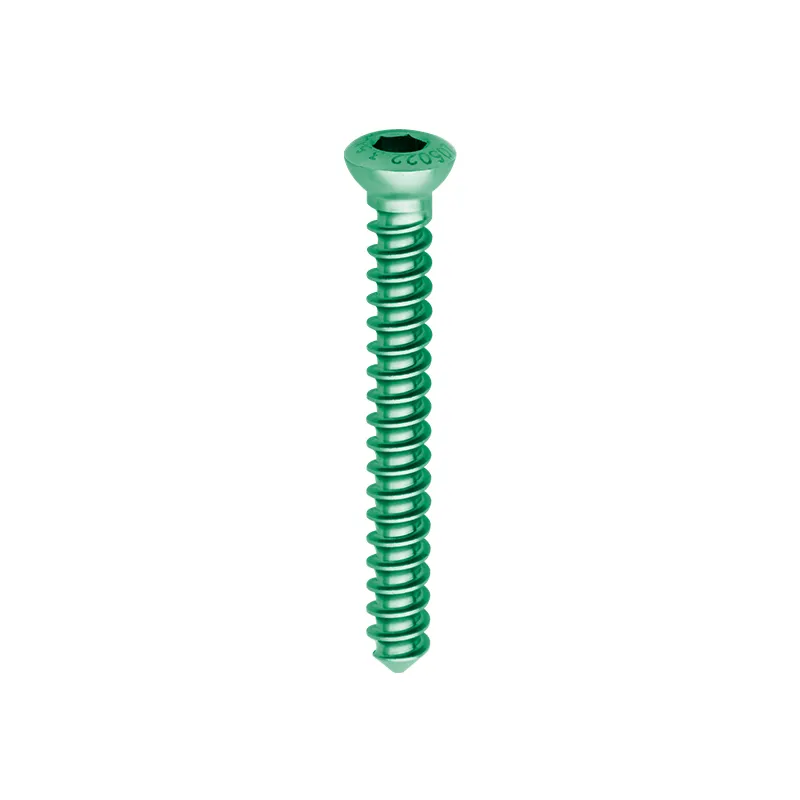
Biomechanical Necessity of Torque Control in the Cervical Spine
The cervical spine’s unique biomechanics—characterized by high mobility, variable bone quality, and proximity to critical neurovascular structures—demand precise torque control during screw insertion. Without dynamic adaptation of insertion force, fusion constructs risk mechanical failure, regardless of implant design or surgical technique.
Variable bone density and cortical thickness across C2—C7 vertebrae
The cervical vertebrae show significant differences in their anatomy. Specifically, C2 and C7 have about 30 to 40 percent thicker cortex and more compact trabecular structures compared to the middle segments (C3 through C6) where the cortex tends to be thinner and mineral content drops off. These variations matter a lot when placing screws. Applying too much torque on the weaker C4-C5 areas can lead to serious cortical fractures, but not enough pressure in the dense C2 region might actually cause the hardware to come loose. That’s why modern torque tools need to adjust based on what they feel during insertion at each specific level. Adjusting torque according to the site isn’t just good practice it’s absolutely essential for maintaining stable interfaces throughout the entire cervical spine during surgery.
Torque—preload—stability relationship in anterior cervical plate fixation
The amount of compression created when tightening screws at the bone implant junction, known as screw preload, plays a major role in how stable anterior cervical plates actually are. When applied correctly, around 1.2 to 2 newton meters of torque generates about 500 Newtons of force, which helps keep things from moving too much during normal neck movements back and forth. If not enough torque is applied, there’s simply not enough grip between components, leading to loose screws down the road. But go too far on the torque side and we start seeing problems too. Excessive force can warp the bone threads themselves, completely removing that preload effect and making nonunion three times more likely according to research data. Modern devices now include safety features like clutches that disengage automatically once maximum capacity is reached, helping surgeons hit that sweet spot where everything works together without damaging surrounding tissue. Getting this right matters a lot in practice since weak pullout strength continues to be one of the main reasons patients need their cervical fusions fixed again later on.
Clinical Risks of Inadequate Torque Control in Cervical Fusion
Under-torquing: Pseudarthrosis, Screw Loosening, and Radiographic Instability
When torque isn’t applied properly during spinal fixation procedures, it can seriously compromise the mechanical stability needed for successful outcomes. Research into biomechanics indicates that when screws are not tightened enough, there tends to be around 40 to 60 percent more movement at where the screw meets the bone surface. This increased motion leads to significantly reduced pullout resistance, sometimes dropping as much as 70%. From a clinical standpoint, what we see over time includes progressive instability visible on X-rays, unexpected changes in screw angles seen during follow-up scans, and in some cases, pseudarthrosis development which affects approximately 5 to 15% of patients who undergo multiple level fusions. These complications frequently result in the need for additional surgeries down the road. Fortunately, using precision torque control instruments helps reduce these risks because they provide consistent clamping forces that take into account both the quality of the vertebrae bones and the specific design characteristics of the plates being used.
Over-torquing: Cortical Breach, Screw Stripping, and Vertebral Body Fracture
The cervical spine has such a narrow and delicate structure that applying too much torque during procedures can cause serious problems both structurally and neurologically. The vertebral bodies are only around 14 to 18 mm wide on average, and when someone has osteoporosis, those cortical walls get down to just 0.5 mm thick. Going beyond what’s considered safe torque levels leads to major issues. When the cortex gets breached, the immediate pullout strength drops by about 90%. There’s also risk of anterior wall blowout if torque exceeds 2.5 N·m, which could result in fragments moving into the spinal canal or neural foramina areas. Looking at data from 2023 implant retrieval studies, doctors found that stripped screws were present in nearly a quarter (22%) of all symptomatic revision cases they examined. That’s why modern torque-limiting drivers have become so important lately. These tools simply stop working once they hit their preset limits, which helps maintain bone integrity while still providing good fixation for implants.
Precision Torque Tools and Evidence-Based Protocols for Cervical Fusion
Calibration standards and clinical validation of cordless torque drivers (e.g., Synthes ACP, DePuy Atlas)
The top cordless torque drivers for cervical fusion procedures meet ISO 7886-1 standards and typically offer around 5% accuracy in the crucial range between 0.2 and 0.8 Newton meters. These tools have been tested extensively using cadaver spines that mimic the actual forces at work from C3 down to C7 vertebrae. What makes them stand out is their ability to apply proper pressure to the cervical plates without damaging the bone cortex during surgery. Research shows that surgeons who use these devices instead of traditional hand tools experience about a two thirds reduction in cases where screws strip out during operations. Features like digital displays showing exact torque values and automatic shut off mechanisms help ensure the right amount of force gets applied consistently. But there are still factors that affect how well they perform in real operating rooms. Things like thick surgical gloves or awkward angles when inserting screws can throw off results, which means good technique remains just as important as having advanced equipment available.
Bench-to-bedside gap: Real-world torque delivery variance under surgical load
Even after careful calibration on test benches, the actual torque delivered during surgeries often strays quite far from what’s expected. Several surgical realities create this problem: tissues resist differently than anticipated, doctors can’t always see exactly what they’re doing, and their body position affects how force is applied. Studies show that these real world conditions lead to about 20% variation in torque compared to lab results. The consequences matter most when working with weak bones. A small mistake in tightening screws there can mean the difference between successful healing and complications later on. Some seasoned surgeons get better at feeling when something feels right, but hospitals are starting to push for specific checks before procedures. They want surgeons to verify their tools against standard measuring devices first, especially for complex operations involving multiple levels. New technologies are coming online too. These smart driver tools provide instant feedback as the surgeon works, helping them adjust pressure mid-procedure based on what’s actually happening inside the patient’s body.
FAQ Section
What is torque control in cervical spine surgery?
Torque control refers to the precise regulation of force applied during screw insertion in cervical spine surgeries to ensure stable constructs without compromising nearby neurovascular structures.
Why is torquing important for cervical fusion?
Proper torque ensures secure screw fixation, minimizing risks of loosening, pseudarthrosis, and instability while maintaining structural integrity during spinal fusion procedures.
What are the risks of inadequate torque control?
Inadequate torque can lead to complications such as pseudarthrosis, screw loosening, cortical breach, screw stripping, or vertebral body fracture, necessitating additional surgical interventions.
How do precision torque tools enhance surgical outcomes?
Precision torque tools like cordless drivers provide consistent and accurate force application, reducing the risks of screw stripping and ensuring proper fixation tailored to individual patient anatomy.