 EN
EN
 FR
FR
 ES
ES
 AR
AR

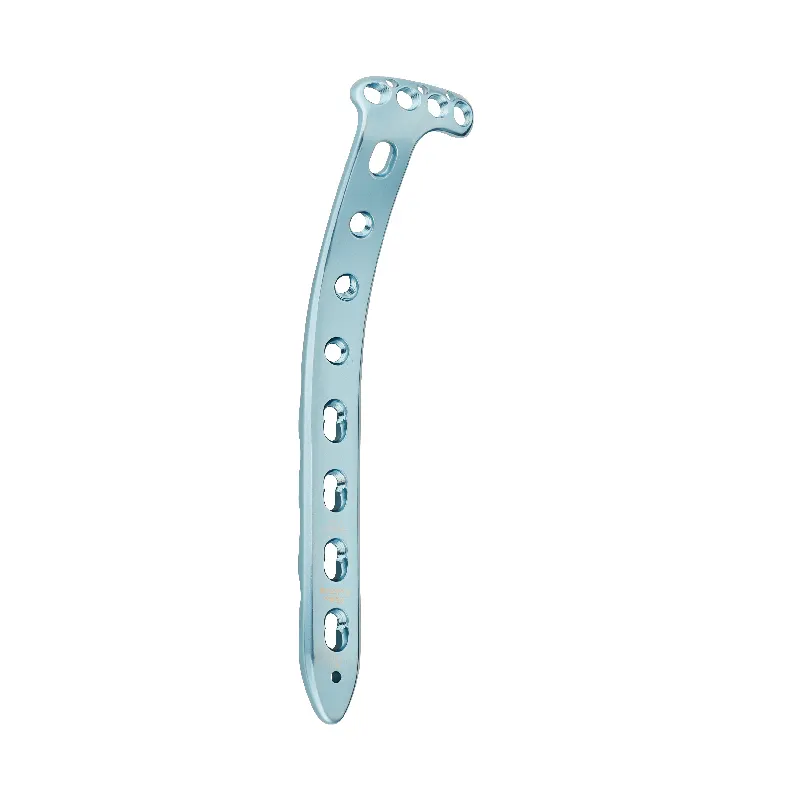
Why Sustainability Metrics Matter in Distal Humerus Plate Development
Integrating sustainability metrics into distal humerus plate engineering is no longer optional—it's a strategic imperative. Leading orthopedic manufacturers achieve 34% reductions in manufacturing costs through sustainable design optimizations (Sustainable MedTech Report 2023). These metrics reshape decision-making across three core domains:
- Material science — Shifting from traditional titanium alloys to high-recyclability composites reduces CO₂e emissions by 18 kg per kilogram of material
- Production efficiency — Applying Design for Sustainability (DfS) principles like dematerialization cuts raw material use by 27% without compromising biomechanical performance
- Regulatory alignment — The FDA's 2024 ESG compliance framework now requires documented environmental impact assessments in design history files
Life cycle assessment confirms that 73% of a plate's carbon footprint stems from raw material extraction and processing. By normalizing impact per 10,000 treated fractures, engineers align mechanical requirements with sustainability targets—meeting ISO 14001 standards, hospital procurement mandates, and supply chain resilience goals.
Embedding Sustainability Metrics Across the Design Lifecycle
Integrating sustainability metrics early in distal humerus lateral plate development ensures environmental accountability without compromising clinical efficacy. This requires systematic measurement frameworks spanning raw material sourcing to end-of-life reclamation.
Life Cycle Assessment for Trauma Plates: Defining System Boundaries in Early-Stage Development
Conducting Life Cycle Assessment (LCA) during conceptual design prevents costly retrofits. Critical system boundaries include:
- Cradle-to-gate material flows (ore extraction → alloy production)
- Manufacturing energy intensity (machining, sterilization)
- Distribution logistics (regional vs. global supply chains)
- End-of-life recovery pathways (recycling rate vs. landfill)
Medical device teams embedding LCA tools in R&D achieve 42% faster ESG compliance certification (BCG 2023). Early boundary definition enables precise carbon accounting—essential for ISO 14001 alignment.
Material Efficiency and Alloy Selection: Balancing Biomechanical Performance with Recyclability
Material choices drive 68% of a trauma plate's carbon footprint (Journal of Sustainable Materials 2023). Engineers optimize this balance using targeted criteria:
| Consideration | Biomechanical Need | Sustainability Metric |
|---|---|---|
| Alloy Type | Fatigue resistance 500 MPa | 90% recyclability rate |
| Mass Optimization | <3% strain under load | 15–20g reduction per plate |
| Surface Treatment | Bacterial adhesion reduction | Chromium-free alternatives |
Titanium alloys require 30% less manufacturing energy than stainless steel while delivering equivalent fracture stabilization. Closed-loop recycling pilots reduce virgin material demand by 55%.
Quantifying Impact Through Functional Unit Calibration
Normalizing Environmental Impact per 10,000 Annual Distal Humerus Fractures Treated
When we look at environmental impact across different implant designs, it helps to standardize measurements based on 10,000 fractures treated throughout their entire lifecycle from raw materials all the way through manufacturing, sterilization, and eventual recycling. According to the Life Cycle Assessment report on orthopedic implants released in 2023, traditional titanium alloy plates create around 1.2 tons of carbon dioxide equivalent emissions for every 10,000 units produced. But there's good news too - when manufacturers switch to recycled cobalt chromium options, they can cut those emissions down by roughly 18%. These numbers show just how much difference material choices make in terms of environmental footprint, and why companies are starting to rethink their production processes not just for cost savings but also for sustainability reasons.
Linking Mass Reduction (g) to CO₂e Savings Across Global Manufacturing Hubs
Every gram of mass reduction delivers measurable CO₂e savings—amplified across global supply chains:
- A 10g reduction per plate eliminates 8.4 metric tons of CO₂e annually at 100,000 units
- Asian manufacturing hubs emit 22% more per kg of surgical-grade alloy than European counterparts due to grid energy mix differences
This mass-to-emissions correlation underscores why lightweighting is critical—not only for biomechanics but also for cutting Scope 3 emissions from raw material logistics by up to 31% (Sustainable Engineering Trauma Devices Journal 2024).
Operationalizing Sustainability Within Regulatory and ESG Frameworks
Aligning FDA QSR, ISO 14001, and Design Controls with Sustainability Metrics
When developing distal humerus plates, bringing sustainability metrics into play means finding common ground between medical device rules and green standards. Companies need to weave ESG compliance throughout their FDA QSR design processes and integrate it with ISO 14001 systems for managing environmental impact. What happens? Sustainability stops being just nice-to-have goals and becomes actual numbers we can measure - think carbon footprint calculations for each individual plate during the design phase. The regulatory landscape is getting tougher all over the world too. Recent surveys show that around three out of four orthopedic manufacturers have faced stricter ESG disclosure demands since last year. Top performers are starting to handle sustainability reports almost as seriously as they do their biomechanical test results. Industry watchers point out that this approach not only keeps companies compliant but also cuts costs in operations. Plus, it helps manufacturers hit those investor expectations regarding ESG performance and avoids having to redo designs when submitting products for approval.
FAQ
-
Why is sustainability important in distal humerus plate engineering?
Integrating sustainability metrics not only reduces manufacturing costs but also aligns with stringent regulatory requirements and enhances material efficiency.
-
What role does Life Cycle Assessment play in trauma plate development?
LCA helps define system boundaries early in design, enabling effective carbon accounting and ensuring compliance with ISO 14001 standards.
-
How can mass reduction influence CO₂e savings?
Reducing mass per plate delivers significant CO₂e savings, which are multiplied across global supply chains, especially considering regional differences in manufacturing emissions.
-
How does sustainability reporting impact orthopedic manufacturers?
Enhanced sustainability reporting meets stricter disclosure requirements, cuts costs, and satisfies investor expectations for ESG performance.