 EN
EN
 FR
FR
 ES
ES
 AR
AR

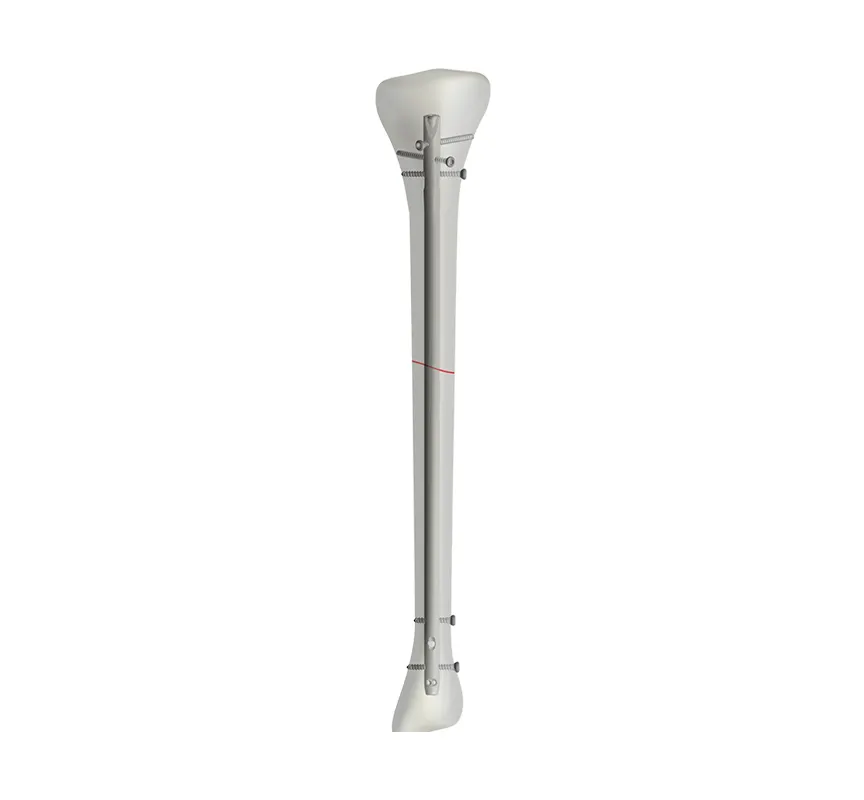
Assess Demand Drivers for Distal Femoral Fracture Plates
Rising Incidence and Seasonal Trauma Patterns Impacting Plate Utilization
The number of distal femoral fractures definitely goes up and down with the seasons. Winter tends to bring about 20 to 30 percent more cases because people slip and fall on icy surfaces, whereas summers see spikes from accidents during outdoor activities. Hospitals that look at past admission records alongside weather reports can cut down on running out of supplies by around 15%. This allows them to keep only what they need when they need it for expensive implants, all while still being ready for emergencies. And things are getting worse as our population ages. We expect to see about 12% more osteoporosis related fractures in this area each year until 2030, which means hospitals have to rethink how they stock their inventory. Big regional trauma centers tend to carry a wider range of plates and screws, but smaller clinics usually stick to the most common sizes and shapes that work for most patients.
Evidence-Based Demand Forecasting Models for Orthopedic Implant Inventory
Good forecasting really works when it pulls together three main sources of reliable data. First there's historical usage patterns, then we look at how many procedures each surgeon actually performs, and finally we check out local health trends like age breakdowns and common coexisting conditions in the area. When machine learning systems are fed all this information, they can predict demand for distal femoral plates with pretty impressive accuracy over the next 90 days. The results? About 98% accuracy rate, which means hospitals end up with 22% less extra inventory sitting around. That translates to real savings too, cutting down annual storage expenses by around $150,000. There are several core approaches behind making all this work effectively.
- Time-series analysis, correlating plate usage with regional injury epidemiology
- Regression modeling, linking preferred implant sizes to patient BMI and bone morphology clusters
- Scenario planning, accounting for seasonal trauma peaks and adoption of new fixation techniques
This evidence-based approach shifts inventory management from reactive restocking to proactive, clinically aligned supply chain execution.
Apply Proven Inventory Optimization Distal Femoral Plate Strategies
Just-in-Time Stocking for High-Value Trauma Implants
The Just-in-Time (JIT) approach cuts down on storage expenses and minimizes the risk of implants expiring, particularly for distal femoral plates which cost facilities around $740,000 annually according to Ponemon Institute data from 2023. Major trauma hospitals have seen impressive results too. Some places now see about 30 percent fewer expired plates sitting around unused. One hospital saved roughly $38,000 each month just by avoiding wasted inventory. They made this happen through several key changes. First, they integrated their JIT system with actual surgery schedules so they know exactly when plates will be needed. Suppliers also committed to restocking within 48 hours if something runs low. And there's still some buffer stock kept based on how busy different seasons tend to get at trauma centers. Contrary to what some might think, JIT doesn't leave doctors scrambling for parts during emergencies. Instead, money gets directed where it matters most - toward implants that patients actually need right when they need them.
Consignment and Vendor-Managed Inventory Models in Orthopedic Surgery
The consignment model along with vendor managed inventory (VMI) systems basically shift the burden of ownership risk onto suppliers but at the same time make products available when needed and improve how fast inventory moves through the system. When hospitals implement VMI arrangements, their suppliers actually keep track of how much stuff gets used day to day in different operating areas and restock according to what people actually consume rather than relying on old guesswork or routine orders. According to recent findings published in Supply Chain Management Review last year, these VMI systems have cut down on those frustrating stockouts by almost three quarters, going from about 12% occurrences down to just 3%. Plus they manage to slash storage expenses by around 40% and increase how often inventory gets turned over by as much as 60% specifically in places where there's lots of femur fracture cases being treated regularly.
| Traditional Model | VMI Model |
|---|---|
| Inventory Ownership | Hospital |
| Stockout Frequency | 12% |
| Carrying Cost Reduction | — |
Standardize Surgical Practice to Reduce Implant Variability and Waste
Locking Plate Protocol Adoption and Its Effect on Inventory Turnover
When hospitals implement standardized locked plating protocols worked out together with orthopedic trauma specialists following AO/OTA standards, they end up cutting down on all sorts of unnecessary implant variations. Clinics that go through this process typically see their stockpile of distal femoral plates drop around 8% or so because different surgical groups start agreeing on what works best instead of everyone having their own favorites. With fewer different items in inventory comes quicker restocking times, less warehouse space needed, and importantly, less risk of expensive implants sitting around getting outdated. This matters a lot for those costly implants that take forever to expire since poor storage practices and tracking problems just keep adding to the bottom line over time.
Sizing Precision for Medial/Lateral Distal Femoral Plates to Minimize Overstocking
When surgeons plan ahead with detailed imaging linked to PACS and operating room schedules, they can pick the right medial or lateral plates long before stepping into the operating room. Early tests show hospitals cutting down on wasted parts by about 18% after switching from guesswork to these standardized size charts. The charts match implant sizes against average body measurements gathered from thousands of CT scans, so what's stocked in warehouses actually fits real patients instead of relying on old habits or personal preferences. This approach leads to better inventory management overall, fewer expired supplies sitting around, and makes sure emergency surgeries aren't delayed waiting for the right hardware.
Measure and Sustain Cost-Efficient Inventory Optimization
Keeping tabs on inventory levels is really important if hospitals want to optimize their stock of distal femoral fracture plates. Tracking key numbers like how fast inventory turns over, what percentage of orders get filled when needed, and how long items sit around before being used helps manage these expensive implants better. The ABC method focuses most effort on Category A items such as those distal femoral plates. These top priority items might be just under 15% of all stock keeping units but account for over 70% of total spending on implants. Doing regular checks through cycle counts keeps the inventory records accurate and stops problems that cost money and can hold up surgeries or force last minute purchases from suppliers. When looking at how much demand fluctuates compared to how long it takes suppliers to deliver, facilities adjust their safety stock levels accordingly. This approach cuts down on storage costs by roughly 30% while still making sure doctors have what they need when patients come in. Good inventory management saves money and also creates space for investing in newer plating technology. Hospitals that get this right improve their financial stability and ultimately help more patients recover faster.
FAQ Section
What are distal femoral fractures?
Distal femoral fractures refer to breaks near the knee area of the femur, which often require surgical intervention using plates and screws for effective healing.
Why do hospitals need to optimize inventory for distal femoral plates?
Optimizing inventory helps hospitals reduce wastage, manage costs, and ensure they have the necessary supplies for patient emergencies without overstocking or experiencing shortages.
How do seasonal trauma patterns affect plate utilization?
Seasonal variations in weather and activities lead to different rates of fractures. For instance, icy conditions in winter may increase fractures, while outdoor activities in summer may lead to trauma from accidents.
How does Just-in-Time stocking benefit hospitals?
Just-in-Time stocking minimizes storage costs, reduces the risk of implants expiring, and aligns inventory levels with actual demand, ensuring efficient use of resources.