 EN
EN
 FR
FR
 ES
ES
 AR
AR
Leverage FDA Breakthrough Device Designation to Accelerate Regulatory Clearance
Strategic Enrollment in the FDA Breakthrough Device Program for Rib Plating Systems
The FDA's Breakthrough Device Program, commonly known as BDP, provides companies with a special route to get their rib plating systems approved faster when these products tackle serious chest injuries. For many manufacturers, this can cut down the time it takes to bring a product to market by nearly half compared to regular approval processes. If a company wants to join the program, they need to show their device is significantly better than what's already available out there. Think things like improved structural support for broken ribs or fewer complications for patients with severe injuries. Getting in touch with the FDA early during product development makes all the difference. It allows companies to shape their research according to what regulators expect, which saves money later on when changes become necessary. According to a recent industry report from 2024, medical devices designated under the BDP actually hit shelves about seven months sooner than similar products that didn't go through the accelerated process. Before jumping into the program though, there are several key steps manufacturers should consider:
- Documenting unmet clinical needs in thoracic trauma populations
- Validating technical differentiation through cadaveric or biomechanical studies
- Submitting a robust risk-benefit analysis grounded in real-world clinical impact
This focused strategy reduces iterative feedback cycles and strengthens the foundation for efficient 510(k) or De Novo submissions.
Building a Lean, Trauma-Focused Clinical Evidence Plan Aligned with 510(k) or De Novo Pathways
Getting a good handle on clinical evidence planning matters a lot when it comes to rib plating systems. We need to focus on what really counts for trauma surgeons and the people who regulate medical devices. Fracture healing rates, how much time operations take, and complications like pneumothorax or hardware problems should be our main concerns instead of those vague general metrics everyone loves to throw around. Speaking of regulations, there's this thing called the FDA's Q-Submission process that lets companies get feedback on their study designs before jumping into full scale trials. According to some data from orthopedic regulations in 2023, this approach can cut down patient numbers needed by about 40%. And don't forget about Breakthrough Designation either. This status gives manufacturers extra support when generating solid evidence for new products, which makes sense given how fast paced innovation is moving these days in trauma care.
- Real-world data from Level I trauma centers
- Surgeon-reported usability and workflow integration metrics
- Biomechanical equivalence testing against predicate devices
Evidence collection must be tightly aligned with the intended regulatory pathway—either comparative analysis for 510(k) or novel safety-efficacy demonstration for De Novo—eliminating extraneous data that delays submission without adding regulatory value.
Apply Agile Development and Design for Manufacturability to Shorten Product Iteration Cycles
Agile Cross-Functional Teams: Integrating Surgeon Feedback, Engineering, and QA Early in Rib Plate Design
The agile approach to developing rib plating systems brings together cross functional teams made up of trauma surgeons, mechanical engineers, and QA specialists. This collaborative method typically cuts down development time by somewhere between 30 and 50 percent compared to old school waterfall approaches. When surgeons get involved early in the design process, they provide real world feedback about how well the plates fit anatomy, what feels right when handling instruments, and overall ergonomic concerns. Their input has been shown to reduce costly redesigns later on by roughly two thirds. Quality assurance isn't tacked on at the end either. The team works on meeting ISO 13485 standards right from the start. Testing materials for wear and figuring out proper sterilization methods happens throughout development, not just at the finish line. A recent industry report from last year showed this saves about eight weeks off the final verification stage. Plus, this system lets manufacturers work on implants and their tools simultaneously, which speeds things up for getting approval from regulators and getting products ready for market launch.
Design for Manufacturability (DFM) Principles to Eliminate Prototyping Delays and Scale Production Faster
Getting Design For Manufacture (DFM) principles into the mix right at the start of development saves money on those expensive prototype rounds and gets things moving faster when it's time to crank up production. When we talk about rib plating systems specifically, there are several key areas where this makes a difference. First off, making sure all those locking mechanisms work across different product lines saves headaches later on. Then there's picking the right titanium alloys so they have consistent grain structures, which cuts down on CNC machining time by about 40%. And simplifying how those plates look physically helps eliminate those pesky undercuts, meaning we can do single step stamping rather than going through complex multi-axis milling processes. The modular screw interfaces that fit with current trauma instrument sets also help out a lot because they reduce both training requirements and what ends up sitting in warehouses. According to a recent 2024 industry benchmark study, companies implementing these strategies saw around 55% fewer tooling adjustments needed as they scaled up operations. Looking ahead, if manufacturers plan for automated polishing and anodizing right from day one, they can slash post processing steps from seven down to just three, which really speeds up the whole process without compromising on ASTM F382 standards for structural strength. Companies that integrate DFM practices from ground zero typically find themselves able to hit production targets of about 10,000 units per month roughly 90 days after getting regulatory green lights, though actual timelines can vary depending on specific market conditions and supply chain factors.
Drive Rapid Clinical Adoption Through Minimally Invasive Compatibility and U-Plate Innovation
Designing Rib Plating Systems for MIS Workflow Integration to Reduce Surgeon Learning Curve and Increase Uptake
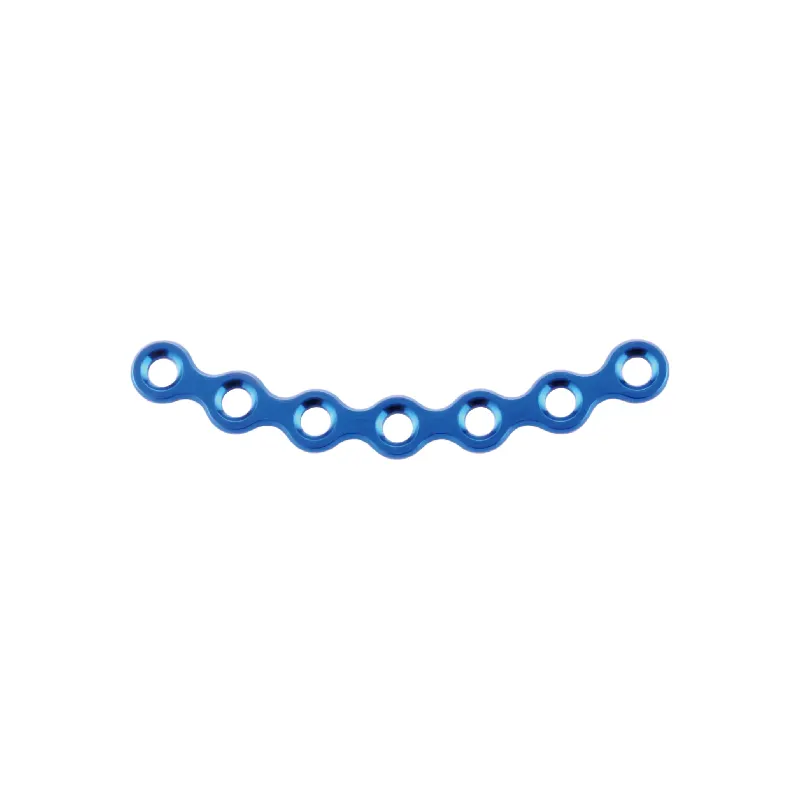
Rib plating systems designed specifically for minimally invasive surgery workflows are helping these procedures gain traction much faster because they fit right into the standard protocols trauma surgeons already follow. The pre-shaped U-plates come with delivery tools that make sense to use, allowing accurate placement through tiny skin openings. Real world data shows this can cut down operation time by about 30 percent and shorten the learning period for surgeons almost in half according to recent studies on orthopedic practices. These systems work well alongside thoracoscopy equipment and other instruments doctors already have in their toolkits, so there's less hassle during actual operations. When manufacturers design products around the way trauma surgeons actually work day to day rather than just focusing on treating injuries, hospitals tend to adopt them quicker. We're seeing about 40% more cases being done with these modern rib fixation systems in the first year after introduction compared to older methods.
Reduce Time-to-Market for Rib Plating Systems by Cross-Applying Proven Technologies from Adjacent Orthopedic Segments
When companies tap into technologies already tested in other parts of orthopedics like spinal fixation devices and systems for long bone fractures, they can actually speed up product development without cutting corners on regulations. The use of titanium alloys that have already been approved saves time on those lengthy biocompatibility tests. And manufacturers who bring in 3D printing techniques successfully used in making spinal implants typically cut down their prototyping time for custom plates by somewhere between 40 and maybe even 60 percent. Design elements borrowed from locking mechanisms in trauma systems for limbs offer ready made validation paths and help ensure better stability in the constantly moving area around the chest. This kind of knowledge sharing across different medical device segments makes it easier to build strong cases for FDA clearance through the 510(k) process. Most importantly, it means getting products to market about six to nine months faster than traditional methods while still hitting every single ASTM, ISO, and FDA requirement.
FAQ
What is the FDA Breakthrough Device Program?
The FDA Breakthrough Device Program is a special regulatory pathway aimed at expediting the development and clearance of medical devices that are significantly better than existing solutions for treating or diagnosing life-threatening or irreversibly debilitating conditions.
How does Design for Manufacturability (DFM) aid rib plating systems?
DFM helps streamline production processes, minimizing expensive prototyping rounds and enabling faster scaling once production ramps up, all while ensuring design consistency and compatibility across product lines.
What role does real-world data play in FDA submissions for rib plating systems?
Real-world data, particularly from Level I trauma centers, is crucial for supporting the clinical evidence needed in FDA submissions, offering verifiable scenarios of the device's usability and effectiveness.
Table of Contents
- Leverage FDA Breakthrough Device Designation to Accelerate Regulatory Clearance
- Apply Agile Development and Design for Manufacturability to Shorten Product Iteration Cycles
- Drive Rapid Clinical Adoption Through Minimally Invasive Compatibility and U-Plate Innovation
- Reduce Time-to-Market for Rib Plating Systems by Cross-Applying Proven Technologies from Adjacent Orthopedic Segments
- FAQ