 EN
EN
 FR
FR
 ES
ES
 AR
AR

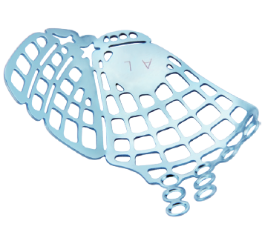
Unique Challenges in Sterilization Validation for Porous 3D-Printed Titanium Implants
Sterilization Challenges Specific to Porous Structures in 3D-Printed Orthopedic Implants
The complex web-like structures in 3D printed titanium implants present real challenges when it comes to proving they're properly sterilized something that doesn't happen with regular solid implants. These porous designs meant to help bones grow into them typically have around 60 to 70 percent empty space with pores smaller than 800 micrometers. Because of this high surface area compared to volume, there's actually a greater chance microbes will stick around. Research indicates that some bacteria spores manage to survive inside these connected pores even after going through normal sterilization processes. That means manufacturers need special testing methods that take into account how complicated these implant structures really are.
Impact of Internal Surface Area and Tortuosity on Microbial Barrier Efficacy
Tortuous pore pathways in laser powder bed fusion (LPBF)-manufactured implants reduce sterilant diffusion efficiency by 38% compared to machined surfaces (Ponemon 2023). Validation must demonstrate microbial kill rates across three critical zones:
- Surface pores (0–300 µm depth)
- Mid-structure channels (300–600 µm)
- Core lattice intersections (600 µm)
High-resolution imaging reveals microbial penetration depths directly correlate with pore orientation angles—those exceeding 45° impede fluid flow and compromise sterilant access.
Ethylene Oxide Diffusion Limitations in LPBF Lattices
Ethylene oxide (EtO) sterilization faces unique challenges in porous titanium implants:
| Parameter | Solid Implants | Porous Implants |
|---|---|---|
| Gas penetration time | 2–3 hrs | 6–8 hrs |
| Residual sterilant | <1 ppm | Up to 5 ppm |
| Validation cycles | 3 | 5–7 |
LPBF-produced lattice walls create gas stagnation zones where EtO concentration drops below the critical micobicidal threshold of 0.5 mg/L, reducing efficacy in deep channels.
Residual Sterilant Concerns in Complex Titanium-Based Implants
Looking at what happens after sterilization reveals something concerning about leftover hydrogen peroxide. The stuff builds up in those tiny channels under 500 microns at almost triple the FDA's safety threshold. Standard ISO 10993-7 guidelines just don't cut it when it comes to measuring how much sterilizing agent sticks around in materials with different pore sizes. Researchers have had to get creative with alternative testing approaches. Some are turning to micro CT scans paired with special solvents, others rely on enhanced Raman spectroscopy that detects chemical signatures on surfaces, while differential pressure tests help track remaining residues. And there's an interesting twist with titanium components. Because of their unique chemical makeup, they actually slow down the breakdown process of these sterilants by about 17 percent compared to non-porous materials. This means medical devices made from titanium might need extra attention during cleaning procedures.
Evaluating Sterilization Methods for Porous Titanium Implants: Efficacy and Limitations
Gamma Radiation and Ethylene Oxide Sterilization: Comparative Analysis for Porous Metal Implants
Gamma radiation can knock down microbes by six logs and gets through those lattice structures pretty well, though there's a catch. After hitting LPBF parts with 25 kGy, the fatigue strength drops around 15%, which is something manufacturers need to watch out for. The good news is gamma works with most materials, but here's another issue: it causes surface oxidation that might mess with how these components perform over time. On the other hand, ethylene oxide keeps mechanical properties intact, which is great from an engineering standpoint. But let's face it, nobody wants to wait 8 to 12 hours for sterilization to work its way through all those complicated pores in the material. That kind of dwell time just isn't practical for many production environments.
| Method | Porous Efficacy | Material Impact | Cycle Time |
|---|---|---|---|
| Gamma Radiation | Complete | Surface oxidation | 4–6 hours |
| Ethylene Oxide | Partial (92%*) | Residuals in channels | 12+ hours |
*Based on AAMI ST79 compliance testing on 3D-printed samples
For EO validation, the AAMI ST79 guidelines mandate placement of biological indicators within the implant's deepest pores—a step often overlooked in additively manufactured devices but essential for accurate efficacy assessment.
Steam Sterilization of Porous Metals: Risks of Condensation and Incomplete Penetration
Porous titanium implants face serious problems during steam sterilization at around 121 degrees Celsius. The heat causes steam to actually condense inside those tiny channels smaller than 500 micrometers, which creates little pools of moisture where bad bacteria can hide out. Recent testing has shown pretty alarming results too - something like 68% or so of these porous structures didn't pass the microbial barrier tests after being run through standard autoclave procedures. This basically means they just aren't compatible with implants meant to encourage bone growth into them, according to what we've seen in laboratory settings.
Low-Temperature Plasma and Vaporized Hydrogen Peroxide as Emerging Alternatives
Tests show hydrogen peroxide vapor can eliminate nearly all microbes at 99.9999% effectiveness during LPBF lattice validations without affecting osseointegration properties. According to research published in 2024 on material compatibility, plasma sterilization cuts down processing time about 40% when compared with ethylene oxide for those porous implants. There's a catch though the method doesn't penetrate beyond 3 millimeters into really complicated shapes. Still these lower temperature approaches represent something exciting for getting rid of contaminants completely while keeping lattice implants fully functional after treatment.
Process Validation (IQ, OQ, PQ) for Sterilization of Additively Manufactured Implants
Installation Qualification (IQ) for Sterilization Equipment Used with 3D-Printed Titanium Implants
IQ protocols are used to check if sterilization equipment actually works according to what the manufacturers say it should do when dealing with those porous titanium implants made through 3D printing. The main things they look at are how well the chamber handles pressure changes within about half a pound per square inch, plus or minus, and whether temperatures stay consistent throughout the lattice structures that have tiny holes ranging from 300 to 800 micrometers in size. Research published last year pointed out something interesting: problems with airflow mapping turned out to be responsible for roughly one out of every five times these validation tests failed, especially when working with implants where over 60 percent of the material is just empty space between the printed parts.
Operational Qualification (OQ) Under AAMI ST79 Compliance for Terminal Sterilization of Lattice Structures
Testing according to AAMI ST79 standards helps ensure consistent sterilization results when processing lattice structures made with LPBF technology. The standard requires at least 45 minutes of exposure to ethylene oxide at around 55 degrees Celsius with humidity levels around 85%. They also check if the gas actually reaches all parts of the device through those complicated pathways using residual gas tests. When implants get thicker than 25 millimeters, problems start showing up more often because the ethylene oxide just can't penetrate properly throughout those connected channels. Industry data shows failure rates jump by nearly 40% in these cases, which is why manufacturers need to pay close attention to design specifications during production planning.
Performance Qualification (PQ) Using Biological Indicators in Porous Surface Design for Bone Ingrowth
Quality assurance processes typically use biological indicators containing Geobacillus stearothermophilus bacteria to check if microbes have been properly reduced during sterilization. For implants where the struts between parts are less than 500 micrometers apart, manufacturers need to increase the concentration of these indicators inside the channels by about 15% compared to solid devices. This adjustment helps create realistic testing conditions that mimic the worst possible contamination scenarios. After the sterilization process is complete, scanning electron microscopy shows that over 99.9999% of pathogens are eliminated from the porous structures designed specifically for bone integration. These results satisfy the strict standards set forth in ISO 11135-1 regarding final sterilization methods used in medical device manufacturing.
Material Integrity and Post-Processing Considerations for Reliable Sterilization
Titanium as a Biocompatible Material for Implants: Stability Under Repeated Sterilization Cycles
Titanium alloys retain 98% of their mechanical strength after 50 steam sterilization cycles (Fraunhofer Institute 2023), making them suitable for reusable porous implants. However, repeated ethylene oxide exposure reduces surface hydrophobicity by 42% in lattice structures, prompting manufacturers to evaluate biocompatibility trade-offs alongside sterilization compatibility.
Effect of Porosity on Heat Transfer and Stress Cracking During Direct Metal Laser Sintering (DMLS)
Pore sizes below 600 µm increase thermal stress gradients by 3.8% during steam sterilization, leading to microcracks in 28% of DMLS-produced implants—versus only 2% in solid titanium under identical conditions (Purdue University 2022). This highlights the need for thermal modeling during design to mitigate cracking risks.
Post-Processing of 3D-Printed Implants to Enhance Sterilization Access to Internal Channels
Ultrasonic-assisted chemical polishing improves sterilant flow through internal channels by 67% while maintaining surface topography conducive to bone ingrowth. Critical post-processing steps include complete removal of residual powder from interconnected pores—requiring a minimum channel diameter of 85 µm—and non-destructive verification using micro-CT scanning to detect trapped particulates.
Surface Roughness Reduction and Its Impact on Microbial Retention After Ethylene Oxide Residuals Testing
Reducing average surface roughness (Ra) from 25 µm to 0.12 µm decreases microbial adherence by 78% in post-sterilization environments (Johnson & MedStar 2022). Electrochemical polishing achieves submicron Ra levels without compromising osseointegration performance, offering a viable solution for minimizing both bioburden retention and residual accumulation.
Frequently Asked Questions (FAQ)
Why do porous 3D-printed titanium implants present challenges for sterilization validation?
Porous titanium implants have a complex structure with high surface area relative to volume, making it easier for microbes to adhere and survive. Standard sterilization methods may not effectively penetrate the intricate pore pathways, necessitating specialized testing methods and validation.
What are the limitations of ethylene oxide sterilization for porous titanium implants?
Ethylene oxide sterilization faces limitations in porous implants due to extended gas penetration time, increased residual sterilant levels, and reduced efficacy in deep channels caused by lattice walls creating gas stagnation zones. These factors require longer validation cycles and careful testing.
Can gamma radiation be used effectively for sterilizing 3D-printed titanium implants?
Gamma radiation can effectively reduce microbes in porous titanium implants but may cause surface oxidation, which could affect long-term performance. Additionally, gamma radiation may decrease fatigue strength in LPBF-manufactured parts after exposure.
What alternative sterilization methods are emerging for porous titanium implants?
Low-temperature plasma and vaporized hydrogen peroxide are emerging alternatives demonstrating high microbial eradication rates without affecting osseointegration properties, though they may have limitations in penetration into complex shapes.
Why is post-processing important for sterilization access in 3D-printed implants?
Post-processing techniques like ultrasonic-assisted chemical polishing enhance sterilant flow and reduce trapped particulates, ensuring better access to internal channels for effective sterilization while maintaining surface topography conducive to bone ingrowth.
Table of Contents
- Unique Challenges in Sterilization Validation for Porous 3D-Printed Titanium Implants
- Evaluating Sterilization Methods for Porous Titanium Implants: Efficacy and Limitations
-
Process Validation (IQ, OQ, PQ) for Sterilization of Additively Manufactured Implants
- Installation Qualification (IQ) for Sterilization Equipment Used with 3D-Printed Titanium Implants
- Operational Qualification (OQ) Under AAMI ST79 Compliance for Terminal Sterilization of Lattice Structures
- Performance Qualification (PQ) Using Biological Indicators in Porous Surface Design for Bone Ingrowth
-
Material Integrity and Post-Processing Considerations for Reliable Sterilization
- Titanium as a Biocompatible Material for Implants: Stability Under Repeated Sterilization Cycles
- Effect of Porosity on Heat Transfer and Stress Cracking During Direct Metal Laser Sintering (DMLS)
- Post-Processing of 3D-Printed Implants to Enhance Sterilization Access to Internal Channels
- Surface Roughness Reduction and Its Impact on Microbial Retention After Ethylene Oxide Residuals Testing
-
Frequently Asked Questions (FAQ)
- Why do porous 3D-printed titanium implants present challenges for sterilization validation?
- What are the limitations of ethylene oxide sterilization for porous titanium implants?
- Can gamma radiation be used effectively for sterilizing 3D-printed titanium implants?
- What alternative sterilization methods are emerging for porous titanium implants?
- Why is post-processing important for sterilization access in 3D-printed implants?