 EN
EN
 FR
FR
 ES
ES
 AR
AR
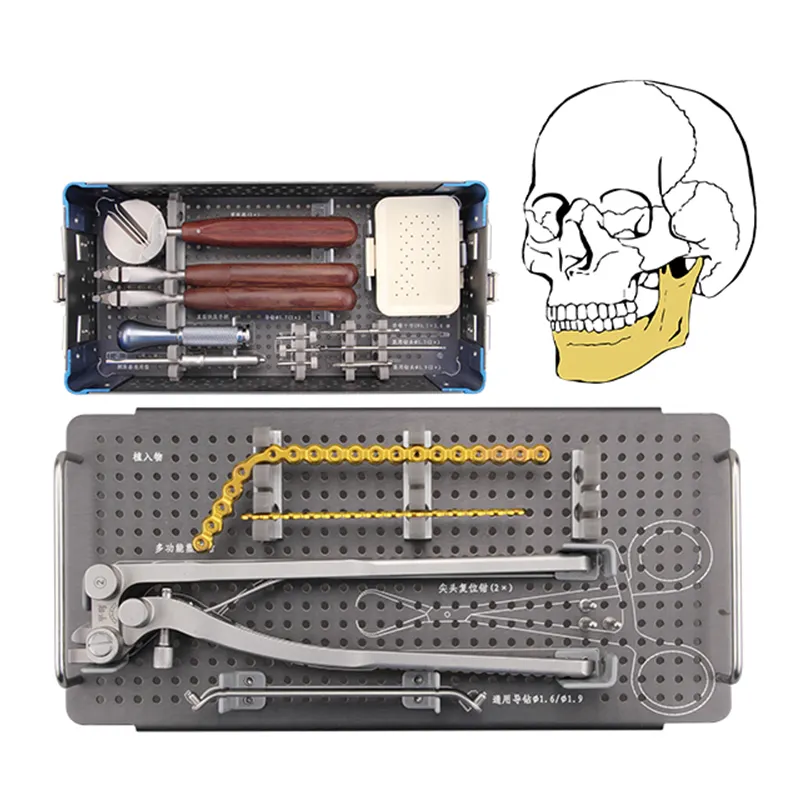
Essential Core Customs Documents for Maxillofacial Instruments
Proper customs documentation for maxillofacial instruments prevents shipment delays and compliance penalties. Accurate paperwork ensures surgical tools clear international borders efficiently.
Commercial Invoice and Accurate HS Code Classification (e.g., 9018.90 for Surgical Instruments)
All international shipments need a thorough commercial invoice that includes the transaction value, information about who bought what from whom, and exact descriptions of the products being shipped. Getting the right Harmonized System code assigned is critical stuff here. Take surgical instruments for instance they usually fall under code 9018.90. Mistakes in classification can really slow things down at customs sometimes stretching out clearance times by around 30 percent according to trade data from 2023. When dealing specifically with maxillofacial tools, it's important to clearly indicate if these items are meant to be used multiple times or just once. Also mention exactly what materials were used in their construction titanium versus stainless steel matters quite a bit when it comes to tariffs and how closely regulators will look at them. And don't forget about those numbers on weight declarations they should match up pretty well with what actually fits inside those boxes otherwise inspectors might take extra interest in what's going on.
Packing List, Bill of Lading, and Certificate of Origin Compliance
When preparing shipping documentation, the packing list needs to list each instrument separately for every container and match exactly what appears on the commercial invoice. The Bill of Lading, or BOL, acts as both a contract between shipper and carrier and serves as proof that goods have actually been shipped. Always insist on getting a clean BOL that confirms everything arrived undamaged at destination. For medical device shipments, the Certificate of Origin plays a critical role in determining whether preferential tariffs apply under trade agreements like USMCA for North America. This document has to clearly show where the products were made according to specific verification standards. Logistics companies report that about three quarters of all customs delays happen because there are inconsistencies between these three key documents. That's why consistency matters so much. Product names, numbers, HS codes, and country of origin declarations need to be exactly the same across all three forms without exception.
Medical Device Regulatory Documentation Across Key Markets
FDA Export Certification and 510(k) Cross-Reference for U.S.-Bound Shipments
When maxillofacial surgical tools come into the US market, they fall under Class II medical device regulations and need FDA Export Certification plus proof of an active 510(k) premarket notification. What this basically means is that manufacturers have to show their products meet all requirements outlined in 21 CFR Part 807. A quick look at recent data shows about 15% of medical device imports get held up because companies submit incomplete or old paperwork according to FDA reports from last year. Importers should make sure the 510(k) number appears right there on the commercial invoice as well as the airway bill so customs can process things automatically without delays. For substantial equivalence claims, companies need solid technical evidence showing how their new device matches existing ones. This includes running proper performance tests and checking labels carefully. Getting this right isn't just about ticking boxes for regulators but also ensuring patient safety remains top priority throughout the entire supply chain.
CE Marking, EU Declaration of Conformity, and ISO 13485 Certification for EU Imports
Maxillofacial instruments heading to the EU need a CE mark according to Regulation (EU) 2017/745 (MDR), along with an official EU Declaration of Conformity (DoC). This document basically proves the product meets all necessary safety and performance criteria. Importantly, it should reference the latest harmonized standards, especially EN ISO 13485 which deals with quality management systems, and EN 16127 specifically for surgical instruments. There are several key components required alongside the DoC. Technical documentation must cover things like clinical evaluations and proper risk management processes. Manufacturers also need to implement UDI carriers for unique device identification, plus ensure labels appear in multiple languages as needed by the target country. Poorly prepared DoCs cause about 30% of holdups when medical devices enter EU borders, according to European Commission data from 2024. Keeping ISO 13485 certification up to date and making sure relevant standards are properly cited in the DoC not only builds trust but can significantly speed up regulatory reviews.
Country-Specific Customs Forms and Clearance Protocols
EU Single Administrative Document (SAD), Canada B3 Form, and Mexico Pedimento Requirements
Customs paperwork varies wildly from country to country, with each nation having its own specific rules about how documents need to look, what information they must contain, and when they should be submitted. Take the EU's Single Administrative Document (SAD) for instance. This form brings together all necessary declarations for every member state, but companies need to make sure it properly references CE markings, Unique Device Identifiers (UDIs), and Declaration of Conformity (DoC) details. In Canada, the B3 Form demands exact Harmonized System classifications like 9018.90 and proof of an active Medical Device Licence from Health Canada, particularly important for things like bone fixation devices. Mexico's Pedimento form is even more detailed, asking for complete product specs including where exactly the device will be used in the body (craniofacial osteosynthesis being one example), what materials are involved, and those tricky NCM/HTS code numbers. Sometimes extra sanitary permits from COFEPRIS are needed too, especially for implants or invasive tools. Getting these forms right matters a lot. Studies show that around 30% of temporary holds on medical devices happen because someone messed up their paperwork somewhere along the line. That's why checking each country's requirements carefully before shipping makes so much sense.
Proactive Strategies to Prevent Delays in Maxillofacial Instrument Shipments
Taking steps ahead of time can cut down on those frustrating delays when getting maxillofacial surgical tools through customs during international transport. Start by adding extra time buffers to shipping calendars. This isn't just about accounting for bad weather or busy ports, but also factoring in possible document corrections or questions from regulators. Next up, double check every piece of paperwork. Commercial invoices, packing slips, origin certificates, and regulatory forms need to match exactly in wording, product codes, and identifiers. Small differences here cause big headaches later. Work with multiple carriers and explore alternative shipping paths to avoid local traffic jams or storage problems, especially important when dealing with temperature-sensitive items that require sterile conditions. Invest in good digital tracking software linked to customs systems that automatically checks documents and alerts staff about missing info as soon as it happens. And don't wait until last minute to bring in customs experts who specialize in medical devices. Get them involved early so they can confirm proper classifications, get necessary approvals, and fix problems before they become emergencies like mismatched tariffs or absent health certifications. All these efforts keep the supply chain running smoothly and make sure critical surgical equipment arrives at hospitals on schedule where patients actually need them.
FAQ
What documents are essential for shipping maxillofacial instruments internationally?
Essential documents include a commercial invoice, accurate HS code classification, packing list, Bill of Lading, Certificate of Origin, and compliance certifications like FDA Export Certification for the U.S. and CE marking for EU imports.
How does incorrect customs documentation affect shipments?
Incorrect documentation can cause customs delays, increase clearance times, and lead to compliance penalties.
What are some proactive strategies to prevent shipment delays?
Proactive strategies include adding time buffers to shipping schedules, double-checking paperwork for consistency, exploring alternative shipping routes, investing in tracking software, and consulting customs experts early in the process.