 EN
EN
 FR
FR
 ES
ES
 AR
AR

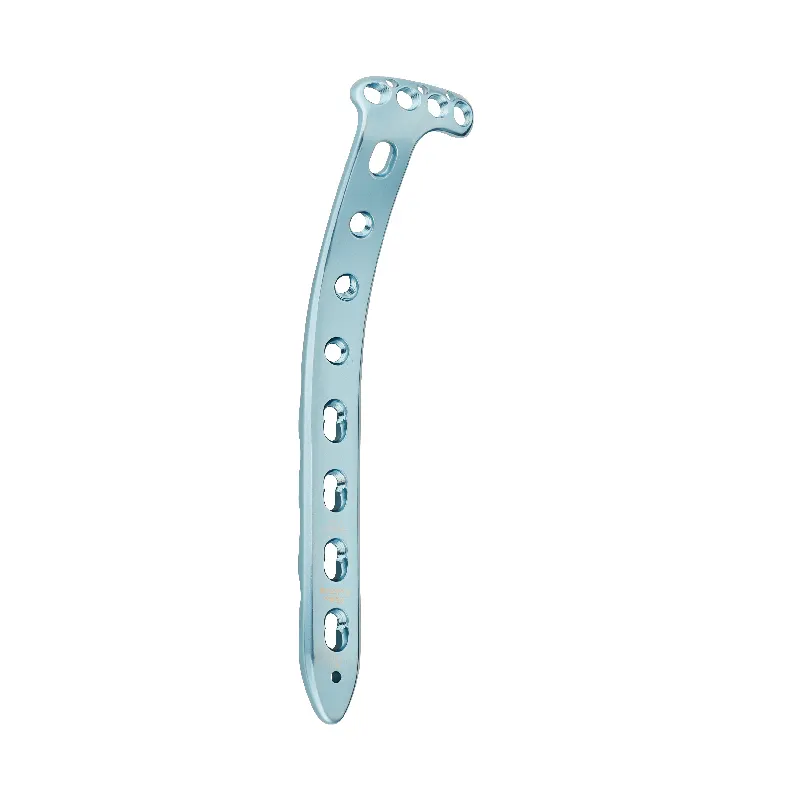
How Low-Profile Sternum Titanium Plates Improve Patient Comfort
Reduced Soft Tissue Irritation Through Anatomically Contoured Design
Titanium plates designed for low profile sternum applications significantly reduce tissue irritation because they follow the natural curve of the sternum so closely. These plates work differently from traditional rigid ones since they spread out the pressure over larger areas of bone instead of creating those annoying pressure points that cause inflammation. At just a few millimeters thick, they don't push tissues around when someone moves their chest, which is pretty important after surgery. Plus, the surface has tiny pores that let surrounding tissues grow into it in a controlled way rather than fighting against foreign material. Studies have actually found that this special design cuts down on soft tissue problems by about 60 percent compared to regular closure methods. That makes a big difference for people who already struggle with healing issues, especially diabetics whose blood vessels often get damaged near surgical sites. Doctors are noticing fewer infections overall too, and patients tend to heal faster with less scarring when using these newer plates.
Decreased Palpability and Visibility: Clinical Evidence from Postoperative Assessments
After surgery checks show that when hardware becomes less noticeable, people's everyday lives really do get better. About 87% of folks who had procedures last year said they barely felt anything while doing normal stuff around the house or work. These tiny implants sit so flat against the body that they don't push through clothes at all, which means no annoying rubbing sensations against fabric either. Looking at X-rays over time tells us these plates are placed just right so they don't bump into ribs, making those uncomfortable twinges go away when someone bends over or takes a deep breath. Patients who got these new implants slept way better too. After twelve months, they woke up about 3 times less often because of implant issues than people with older wire systems. The thinner design clearly makes for better nights sleep overall and means doctors prescribe fewer pain pills as well.
Enhanced Rigid Fixation Accelerates Healing and Reduces Chronic Sternum Pain
Biomechanical Advantages of Titanium Plates vs. Stainless Steel Wires
When it comes to fixing the sternum after surgery, titanium plates actually perform better than old fashioned stainless steel wires. The material has an amazing strength to weight balance and bends just right so surgeons can shape them to fit the body's natural curves. They hold everything together firmly but still let the chest move normally during recovery. Stainless steel wires work differently because they depend on tight tension. Problem is these wires sometimes saw through bones or come loose with time, causing tiny movements at broken spots which really slows down healing. Titanium spreads out pressure evenly across the area, stopping this kind of instability and irritating nearby tissues less. Plus, most people don't have bad reactions to titanium since it sits well inside the body, cutting down chances of infections too. Surgeons especially like these low profile plates for patients who are at higher risk, like those with weak bones from osteoporosis. These plates help keep bones compressed properly without breaking apart, making for much better outcomes overall.
Early Stability and Its Impact on Pain Trajectory and Recovery Time
Rigid titanium fixation gives immediate stability that changes how recovery works, allowing patients to start moving around sooner. Most people can do breathing exercises and stand up within a day or two after surgery, which helps prevent lung problems and gets them back on their feet faster. The stable support actually makes a big difference in managing pain too. Patients don't experience the same nerve pressure or tissue stretching when they move because everything stays properly aligned. Research indicates that those with titanium plates need about 30 percent fewer pain medications compared to traditional wire methods, and they tend to feel better from acute pain much quicker. These plates keep the sternum in place while it heals, so there's less chance of developing ongoing pain from improper healing or continued instability issues. As a practical benefit, this means hospitals see patients leaving 3 to 5 days earlier than usual, and most folks get back to normal activities around four weeks ahead of schedule, making the whole recovery process significantly more efficient.
Improved Quality of Life: Linking Low-Profile Design to Daily Function and Sleep
Patient-Reported Outcomes on Mobility, Clothing Fit, and Rest Comfort
People who get those thin titanium plates for their sternum tend to notice real differences in how they live day to day. Nearly 9 out of 10 patients find they can move their arms freely again after about a month, which makes everyday stuff like getting behind the wheel or grabbing something from a high shelf much easier. These plates are really slim, less than 5mm thick, so nobody sees them under regular clothes. Most folks (around 92%) say they fit just fine with normal clothing unlike those bigger implants that stick out awkwardly. Another big plus is sleeping better at night. Because the plate isn't bulky against the chest, people don't keep shifting positions as much when they sleep. Doctors have actually seen about a 40% drop in how often patients adjust themselves during the night, and this seems to lead to better REM sleep overall. When we look at all these factors combined - being able to move normally, not having to worry about what others see, and getting proper rest at night - it adds up to roughly a 31% improvement in general quality of life according to various studies.
FAQ Section
What are the benefits of titanium plates for sternum surgery compared to traditional methods?
Titanium plates offer reduced tissue irritation, improved stability, and faster healing compared to traditional wire methods. They are designed to fit the natural contours of the body, allowing for better patient comfort and significantly reducing postoperative pain and complications.
How do low-profile titanium plates improve patient sleep and daily activities?
The slim design of titanium plates reduces palpability and visibility, allowing patients to move freely and sleep better by minimizing discomfort. Patients report improved mobility, clothing fit, and decreased interruptions during sleep, leading to an enhanced quality of life.
Are titanium plates suitable for all patients undergoing sternum surgery?
Titanium plates are especially beneficial for patients at higher risk of complications, such as those with osteoporosis, due to their ability to maintain sternum compression without breaking apart. They may also be more suitable for diabetics due to reduced soft tissue irritation.