 EN
EN
 FR
FR
 ES
ES
 AR
AR

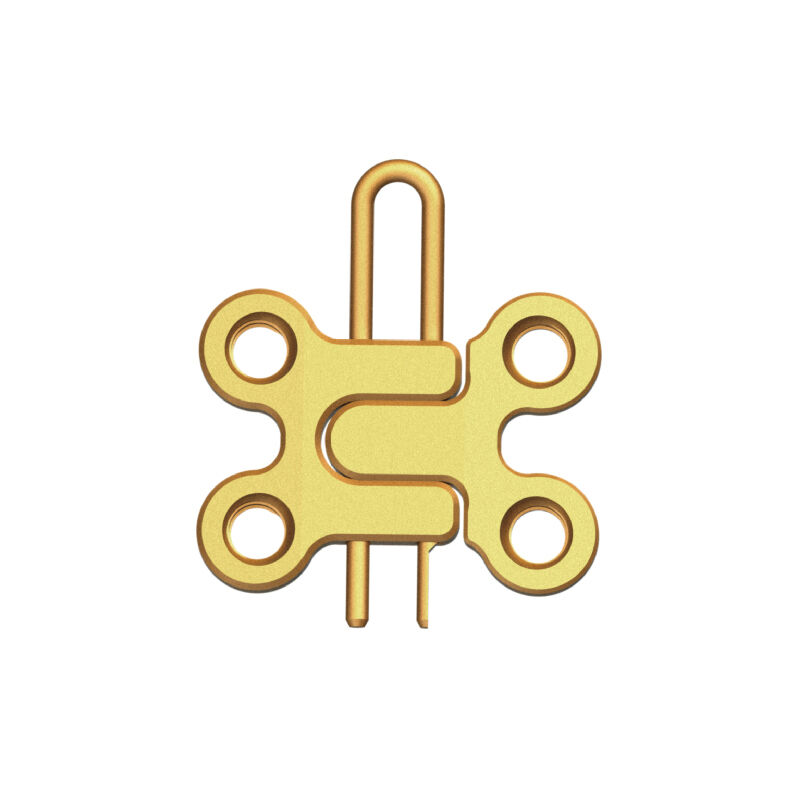
Understanding IP Protection in 3D-Printed Medical Implants
The Role of Intellectual Property in Additive Manufacturing Medical Devices
Protecting intellectual property really matters when it comes to pushing forward innovations in medical device manufacturing through additive processes. Companies file patents to guard their new approaches to printing load bearing implants, and they keep certain tricks under wraps as trade secrets. Think about those special algorithms that tweak titanium lattice structures so they have around 72 percent open space, which helps bones grow into them better. A look at data from last year's Material Sciences Quarterly report shows something interesting: almost nine out of ten orthopedic devices approved by the FDA for 3D printing depend on these utility patents to shield their main production techniques. Makes sense why manufacturers want to lock down these methods before competitors catch up.
Why Sternal Plates Require Specialized IP Protection Strategies
The unique nature of sternal plates means companies need special intellectual property approaches because each plate is custom made to fit individual patients' complex chest structures. After surgery when healing begins, these medical devices actually face forces around 450 Newtons, which makes it really important for manufacturers to protect how they shape the surfaces to prevent breakage issues down the road. Standard off-the-shelf implants don't work here since every case is different. That's why 3D printed options have become so popular recently. They allow multiple layers of protection at once including design patents covering those intricate reinforcing patterns, copyright claims over the digital blueprints created specifically for each person's body, plus proprietary methods kept secret that strengthen the material against wear and tear over time.
Overview of Multi-Layered IP Protection Strategies in Medical Implants
Leading manufacturers employ an integrated four-layer approach to protect 3D-printed implants:
| IP Type | Protected Elements | Enforcement Focus |
|---|---|---|
| Utility Patents | Printing processes, material composites | Copycat manufacturing methods |
| Design Patents | Surface lattice geometry | Counterfeit product designs |
| Trade Secrets | AI-based topology optimization algorithms | Unauthorized process replication |
| Copyrights | Digital patient-matched CAD files | Illegal file sharing |
Trade Secrets and Protection of Proprietary 3D Printing Processes
Safeguarding algorithms, lattice structures, and material distribution models
Keeping trade secrets safe lets manufacturers maintain control of their important 3D printing methods without having to share them publicly, which is really helpful when making custom sternal plates for patients. The special computer programs used to create those intricate lattice structures that help bones grow, or deposit materials directly onto titanium parts, usually stay under wraps thanks to tight agreements with engineering teams and production staff. According to recent industry data from last year's AM report, around two thirds of companies working in additive manufacturing actually prefer keeping these process details secret rather than filing patents, especially when it comes to things like how materials get distributed specifically for each patient's needs.
Balancing regulatory disclosure with trade secret preservation
FDA submissions for 3D-printed sternal plates require detailed manufacturing information, which can expose sensitive IP. To mitigate risk, developers use tiered confidentiality protocols:
- Process abstraction: Reporting performance outcomes (e.g., fatigue resistance) without disclosing algorithm training data or fusion parameters
- Third-party escrow: Storing core code, such as lattice generation software, with independent auditors for compliance verification
- Limited-use NDAs: Restricting access to proprietary post-processing steps like infection-preventing surface treatments
These measures support adherence to ISO 13485 standards while preserving competitive advantages in material efficiency and structural innovation.
Copyright and Digital Rights Management for 3D Design Files
Copyright Protection for Digital Models, CAD Files, and Patient-Specific Designs
Things like CAD files, anatomical models, and those custom shapes made from patient scans get automatic copyright protection just like software code or building blueprints do. But trouble starts when someone creates a sternal plate design using actual CT scan data from a person. The problem is these 3D models mix personal health information with specialized engineering work, which makes it really tricky to figure out who owns what. Patients might think their medical data belongs to them, while hospitals invested in the scanning process and manufacturers put time into designing the plates. Because of this mess, doctors, clinics, and companies need solid contracts upfront to sort out who gets control over these digital creations once they're made.
Digital Rights Management (DRM) to Prevent Unauthorized Use and Sharing
Piracy is getting worse these days, especially with how 3D printing has become so decentralized. That's why good DRM systems are really important now. They keep things secure through encryption, watermarks, and tracking what gets used when. Some research from last year showed something pretty concerning: when manufacturing goes decentralized like this, the risk of people sharing stuff they shouldn't jumps up about 41% over regular methods. The good news? There are ways to handle this without stifling innovation. Setting specific permissions for who can access what, plus limiting how many times something can be printed, helps protect intellectual property rights. At the same time, it still lets doctors and nurses make those critical parts right where patients need them most during emergencies or surgeries.
Ownership Challenges in Patient-Derived Anatomical Models
Legal uncertainty persists regarding ownership of digital models derived from patient scans:
- Should rights belong to the individual whose anatomy was scanned?
- Can hospitals claim partial ownership if they provided imaging infrastructure?
- How can designers protect iterative enhancements made to base anatomical templates?
Establishing jurisdiction-specific guidelines and binding agreements on “digital derivatives” is critical to preventing disputes in this evolving space.
Enforcement and Strategic IP Positioning in the Medical Device Market
Medical device innovators face growing challenges in protecting IP for 3D-printed sternal plates amid shifting manufacturing paradigms and regulatory demands. A proactive, multifaceted enforcement strategy is key to maintaining market leadership.
Freedom-to-Operate Analysis and Avoiding Infringement Risks
Doing proper freedom-to-operate checks can save companies from expensive legal battles that typically run around three and a half million dollars each when it comes to orthopedic device disputes according to the latest IP litigation stats from 2023. For manufacturers working on these kinds of products, they need to look at both the utility patents related to fixation systems as well as those design patents that cover all sorts of lattice geometry stuff. The good news is there are now some pretty advanced monitoring systems out there that catch about eight out of ten possible patent conflicts even before anyone starts building prototypes. This gives engineers time to tweak their designs early on so they don't end up infringing on someone else's intellectual property rights down the road.
Combating Counterfeiting in Decentralized Manufacturing
Decentralized 3D printing introduces security vulnerabilities, with 22% of hospital-based facilities lacking effective digital rights management (2024 Additive Manufacturing Security Study). Leading companies counteract this using:
- Embedded QR microstructures within titanium layers
- Blockchain-tracked powder bed fusion parameters
- Dynamic licensing that revokes STL file access after printing
These technologies ensure traceability and limit unauthorized reproduction.
Strategic IP Portfolio Development
An effective IP portfolio integrates complementary protections:
| IP Type | Protection Scope | Enforcement Leverage |
|---|---|---|
| Utility Patents | Load distribution algorithms | Block competitor production |
| Design Patents | Patient-specific curvature profiles | Prevent aesthetic replication |
| Trade Secrets | Post-processing workflows | Maintain technical advantage |
Recent FDA guidance allows redacted submissions, enabling 64% more trade secret claims than before 2022—a significant shift supporting long-term innovation.
Balancing Open Innovation and IP Protection
While 78% of medical researchers support shared anatomical model libraries (2024 MedTech Collaboration Survey), strategic patent pooling enables controlled collaboration. Patent pledges for humanitarian use allow ethical access without sacrificing commercial exclusivity—a model adopted in 34% of FDA-cleared sternal plates since 2023. This balanced approach fosters innovation while safeguarding core intellectual assets.
FAQ on 3D-Printed Medical Implants IP Protection
1. Why is IP protection crucial in 3D-printed medical implants?
IP protection is essential for safeguarding the innovative production techniques and ensuring competitive advantage. It prevents competitors from copying these techniques and helps maintain market leadership.
2. What are the specialized IP strategies for sternal plates?
Sternal plates require custom IP approaches due to their unique nature and patient-specific designs, including design patents, trade secrets, and proprietary methods to strengthen the material.
3. How are trade secrets protected without public disclosure?
Manufacturers protect trade secrets through tight agreements with engineering teams, tiered confidentiality protocols, and limited-use NDAs that restrict access to proprietary methods.
4. What are the challenges with copyright ownership in anatomical models?
Ownership challenges arise as models mix personal health information and specialized engineering work. Establishing clear contracts and guidelines can help navigate these complexities.
Table of Contents
- Understanding IP Protection in 3D-Printed Medical Implants
- Trade Secrets and Protection of Proprietary 3D Printing Processes
- Copyright and Digital Rights Management for 3D Design Files
- Enforcement and Strategic IP Positioning in the Medical Device Market
- FAQ on 3D-Printed Medical Implants IP Protection